At a Glance
Sleep apnea is very common, and more than one billion people worldwide may have obstructive sleep apnea, the most common type. More men than women have sleep apnea, and more adults than children have this sleep disorder. Sleep apnea risk factors include obesity, large tonsils or adenoids, male sex, and older age.
Sleep apnea is one of the most common sleep disorders, possibly affecting more than one billion people worldwide, yet millions remain undiagnosed.
Although anyone can develop sleep apnea, some groups are more likely to have it than others. Below, we'll explore how common sleep apnea is, who is most at risk, and why early diagnosis is so important.
Is It Sleep Apnea? Find Out for as Low as $0
Sleep Doctor’s home sleep study gives your results reviewed by a sleep specialist and guidance on what to do next. Most major insurance plans accepted.

Prevalence of Sleep Apnea
In the United States, about 80 to 83 million people are estimated to have obstructive sleep apnea (OSA) — the most common type of sleep apnea. And more than one billion adults are estimated to have OSA worldwide.
Sleep apnea in children and other types of this disorder (central sleep apnea and complex/mixed sleep apnea) are less common, and researchers usually report these numbers separately. (See below for more detail.)
Diagnosed vs. Undiagnosed Sleep Apnea
Most people who have sleep apnea are currently undiagnosed, with experts estimating that 80% of people with OSA haven't received a formal diagnosis. If you live alone, you may not notice sleep apnea symptoms like snoring, snorting, gasping, or choking during sleep.
Delayed diagnosis can also happen if you don't have access to quality healthcare or your providers don’t have the training needed to spot sleep apnea signs or risk factors. In particular, women may have a higher risk for delayed diagnosis, because they tend to have different symptoms compared to men, like insomnia and depression.
Obstructive vs. Central Sleep Apnea
There are two main types of sleep apnea: obstructive and central. Obstructive sleep apnea happens when muscles in your airway relax and either partially or completely block airflow. About 32% of adults in the U.S. are estimated to have OSA.
Central sleep apnea (CSA), a rarer kind, can cause breathing disruptions during sleep because of faulty brain signals to the muscles that control respiration. Cheyne-Stokes respiration is a specific type of CSA that causes cycles of fast and slow breathing with breath pauses.
In one large review of almost 30,000 people, About 2% of people are estimated to have CSA, and it’s more common in those with a history of heart attack or atrial fibrillation.
Sleep Apnea in Women vs. Men
People born male have higher rates of both OSA and CSA than people born female. Some experts report that the number of men with OSA is four times higher than women.
The American Academy of Sleep Medicine (AASM) reports OSA with daytime sleepiness happens in up to 5% of women and 7% of men. One study found CSA is also more common in men, which they found in 7.8% of men and less than 1% of women.
One theory as to why OSA is higher in men has to do with differences in hormones like testosterone and estrogen. Men are also more likely to develop OSA at a younger age, but sleep apnea in women gets diagnosed more often after menopause.
Sleep Apnea in Children
Sleep apnea affects between 1% and 4% of children, causing symptoms like snoring, bedwetting, headaches, and trouble with concentration. Before puberty, boys and girls get sleep apnea equally, but after puberty, it’s more common in boys. Children of any age can have sleep apnea, but the disorder is most common in preschool-age children and teenagers.
Risk Factors for Sleep Apnea
Sleep apnea causes and risk factors depend on the type and the person's age.
Sleep Apnea Risk Factors in Children
In children, the chances of developing OSA increase if they have certain risk factors. These can include:
- Large tonsils or adenoids (most common)
- Significant overbite
- Obesity
- Small lower jaw (micrognathia)
- Down syndrome
- Neuromuscular disease (like muscular dystrophy)
- Cerebral palsy
- Sickle cell disease
- Exposure to cigarette smoke
- Cleft palate surgery
Congestion from seasonal allergies can also make sleep apnea worse.
Obstructive Sleep Apnea Risk Factors
The top risk factor for OSA in adults is a high body mass index (BMI), which can narrow your airway. Obesity means having a BMI over 30, and this health condition causes about 60% of moderate-to-severe sleep apnea. But not everyone with OSA also has obesity. Other risk factors include:
- Narrow throat
- Thick neck
- Family history of OSA
- Older age, especially in women after menopause
- Male sex
- Alcohol or sedative use
- Hypothyroidism
- Gastroesophageal reflux disease (GERD)
- Stroke
- Large tonsils and adenoids
- Down syndrome
- Muscle and nerve conditions
- Blocked nasal passages
Central Sleep Apnea Risk Factors
The risk factors for central sleep apnea usually involve other health conditions that disrupt how your brain controls breathing during sleep. These conditions include:
- Coronary artery disease
- Heart failure
- Stroke
- Acromegaly
- Kidney failure
- Atrial fibrillation
Your risk also goes up if you were born male or if you’re older than 65. Some medications can increase your risk for CSA, especially when taken over the long term. These drugs include:
- Opioids
- Benzodiazepines
- Antidepressants
- Nerve pain medications
- Muscle relaxants
When to Talk to a Doctor
Tell a doctor if you experience any symptoms of sleep apnea. Ask your sleeping partner or anyone who sleeps nearby (like a roommate) if they notice snoring, gasping, or pauses in breathing, which can last up to a minute.
Other common symptoms include:
- Sleepiness or fatigue during the day
- Irritability
- Morning headaches
- Trouble concentrating
Although CSA doesn’t usually cause snoring, your sleep partner can still be on the lookout for patterns of faster and slower breathing with pauses. And CSA can still cause daytime sleepiness, which can increase your risk for injury and trouble functioning at work or school.
Sleep apnea can also increase your risk for heart problems and sexual dysfunction, so it’s important to tell your doctor as soon as possible after you notice symptoms.
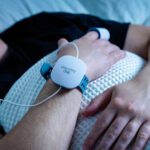
If your doctor thinks you may have sleep apnea, they’ll order an overnight sleep study. This test can be done at home or at a sleep clinic. During a sleep test, your care team will monitor your breathing, oxygen levels, heart rate, and how air moves through your nose. More involved sleep tests done at a clinic are called polysomnography, and can help your doctor diagnose sleep apnea, its type, and best treatment options.
Once you have a diagnosis, your provider will recommend sleep apnea treatment. Depending on which type of sleep apnea you have, they may suggest treatments including:
- Continuous positive airway pressure (CPAP) therapy
- Oral appliances that push your lower jaw forward
- Lifestyle changes, including weight management (if applicable)
- Weight-loss medications like GLP-1s
- Surgery or medical procedures to widen your airway or strengthen airway muscles
Your doctor will want to know if your symptoms are improving and may do more sleep tests to make sure your treatment is working well.
Frequently Asked Questions
Sleep apnea has become more common as obesity rates and average lifespan have both increased. As people live longer, the high-risk age range grows, and more people are being diagnosed with sleep apnea. One study predicts sleep apnea will become even more common over the next 30 years.
Men get diagnosed with both obstructive and central sleep apnea more often than women. Some studies report men are four times more likely to have OSA than women.
Sleep apnea in women is more common after menopause and during pregnancy. The American Academy of Sleep Medicine (AASM) reports OSA with daytime sleepiness happens in up to 5% of women, and one study found CSA occurs in less than 1% of women. But more men than women have both sleep apnea types.
Mild OSA is the most common severity level of sleep apnea. Experts estimate 52% of American adults with sleep apnea have mild sleep apnea.
Medical Disclaimer: This content is for informational purposes only and isn't a substitute for professional medical advice. Consult your healthcare provider with questions about any symptoms you're experiencing or before changing or stopping an existing treatment.

Written by
Abby McCoy, RN, Contributing WriterAbby McCoy is an experienced RN who has worked with adults and pediatric patients encompassing trauma, orthopedics, home care, transplant, and case management. She holds a Bachelor’s of Science in Nursing from St. Louis Univeristy and has practiced nursing all over the world from San Francisco, CA, to Tharaka, Kenya. She now writes health content for trusted health outlets like Everyday Health and Next Avenue.

Reviewed by
Dustin Cotliar, MD, MPH, Medical ReviewerDr. Dustin Cotliar is a board-certified emergency medicine physician with more than eight years of clinical experience across emergency departments and urgent care settings. He earned his medical degree from the State University of New York (SUNY) Downstate College of Medicine and a Master of Public Health from Columbia University.