At a Glance
Allergies can interfere with sleep by causing nasal congestion and making it harder to breathe. But simple changes like washing bedding regularly, using allergen-proof covers, and keeping windows closed during allergy season may help. Treatments like antihistamines, nasal sprays, and saline rinses can also help. If allergies are causing persistent sleep problems, your doctor can help identify triggers and recommend treatment options.
Allergies are exceedingly common. In fact, as many as 30% of U.S. children and adults experience nasal congestion caused by exposure to allergens in their environment. A stuffy nose and other common allergy symptoms, like a cough and excess mucus production, can make it difficult to sleep comfortably at night.
Nighttime allergies can also interfere with the treatment of sleep apnea. Fortunately, there are several ways to reduce nighttime allergies and prevent symptoms from interfering with sleep apnea treatment. Below, we'll discuss what causes allergies, how allergies can affect sleep as well as the treatment of sleep apnea, and what you can do to prevent allergies in your home.
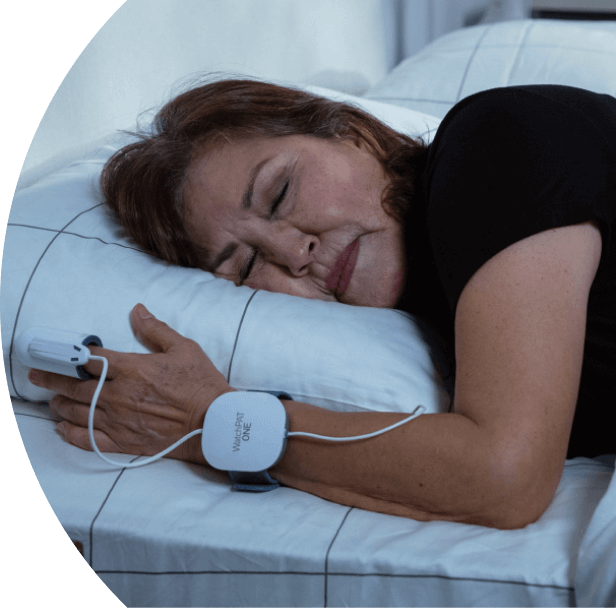
Is It Sleep Apnea? Find Out for as Low as $0
Sleep Doctor’s home sleep study helps diagnose obstructive sleep apnea, and it's covered by most major insurance plans.
How Do Allergies Impact Sleep?
Allergies can impact sleep when allergy symptoms flare up at night and when allergens are present in the bedroom. Symptoms of an allergic reaction often depend on where the allergen came into contact with the body. For example, allergens that are inhaled may cause symptoms in the nose and throat, while allergens that come into contact with the skin may cause a rash or hives.
One of the most common allergy symptoms to contribute to sleep issues is nasal congestion. After a person comes into contact with an allergen, blood vessels in their nose may become inflamed. When this happens, the person feels congested and may find it harder to breathe through their nose. Other symptoms can include:
- Runny nose
- Skin rash
- Sneezing
- Cough
- Inflammation
- Itching
- Asthma
Tips for Sleeping With Allergies
Learning how to sleep with allergies often involves a combination of symptom management and allergen avoidance. The following tips can help reduce congestion, improve breathing, and make it easier to get a good night's sleep during allergy season and beyond.
Replace Air Filters
Replace air filters in your air conditioning, heating, and fans on a regular basis. Over time, air filters accumulate dust and pet dander. If they get clogged, they may not be as effective at filtering out allergens from the room. Experts recommend using high-efficiency particulate air (HEPA) filters when possible to decrease the amount of allergens in the air.
If you’re being treated for sleep apnea, clean and replace your CPAP’s air filter on a regular basis, according to the schedule provided by your CPAP’s manufacturer or provider. CPAP devices may have foam filters that are reusable or paper-like disposable filters. Typically, you can clean a reusable filter with mild soap and water on a weekly basis.
Close Your Windows and Doors
Outdoor allergens like pollen and molds can be difficult to avoid, but you can reduce your exposure by keeping the windows of your car and home closed and staying indoors during allergy season.
Also, consider bathing before sleep so as not to bring outdoor allergens attached to your skin and hair into your bed. You can also try a saline nasal spray after coming back inside from the outdoors to flush allergens out of your nasal passages.
Invest in a New Mattress
Switching to a latex mattress can help alleviate allergy symptoms by creating a healthier, hypoallergenic sleep environment. Natural latex is resistant to dust mites, mold, and mildew, which are common triggers for allergies. Additionally, many latex mattresses are made without harsh chemicals or synthetic materials, reducing exposure to irritants that can worsen symptoms.
Change Your Sleep Position
Your sleep position can affect how severe allergy symptoms feel at night. Lying flat on your back may allow mucus to collect in the nasal passages and throat, worsening congestion, postnasal drip, coughing, and difficulty breathing. Sleeping with your head slightly elevated can help promote sinus drainage and reduce nasal congestion. Consider using an extra pillow or a wedge pillow to keep your head elevated.
Wash Your Bedding Frequently
Wash your bedding with warm water and soap on a regular basis to get rid of dust mites. Moreover, consider replacing your mattress and pillow covers with ones that are designed to reduce dust mites. Such covers are synthetic fabrics that have a tight weave so allergens cannot easily penetrate the fabric.
Clean Your Home Regularly
Vacuum, dust, and repair water leaks in your home to keep dust mites, cockroaches, mildew, and mold away. Use a HEPA filter in the vacuum cleaner to capture more allergens. Also, try to keep food in fully sealed packaging so as not to attract insects.
Treatments for Allergies at Night
Treating allergy symptoms can make it easier to fall asleep, stay asleep, and breathe comfortably throughout the night. The best treatment depends on the cause and severity of your allergies, but a variety of options may help reduce nighttime symptoms.
- Nasal corticosteroid sprays can help reduce inflammation in the nasal passages and are often considered one of the most effective treatments for persistent nasal allergy symptoms. Because they may take several days to reach their full effect, they're typically used on a regular schedule rather than only when symptoms occur.
- Saline nasal rinses can help flush allergens, mucus, and irritants from the nasal passages before bedtime. Many people find that rinsing their nose with a saline solution helps reduce congestion and improves breathing during sleep.
- Antihistamines are commonly used to relieve sneezing, runny nose, and itchy eyes. Some older antihistamines can cause drowsiness, though they're not generally recommended as sleep aids due to potential side effects. Newer antihistamines are less likely to cause daytime sleepiness and may be preferred for long-term use.
- Allergy immunotherapy, often called allergy shots, may be an option for people with severe or long-lasting allergies. This treatment gradually exposes the immune system to allergens over time with the goal of reducing sensitivity and improving symptoms.
Why Are Allergies Worse at Night?
Many people notice that their allergy symptoms become more severe at night. One reason is that lying down can cause mucus to accumulate in the nasal passages and throat, leading to increased congestion, postnasal drip, and coughing. Exposure to allergens in the bedroom may also play a role. Dust mites, pet dander, mold, and other indoor allergens can collect in bedding, carpets, and upholstered furniture, triggering symptoms while you sleep.
Certain allergies may be especially troublesome at night. For example, pollen can accumulate on clothing, hair, and skin throughout the day and be transferred to bedding if you don't shower before bed. As a result, allergy symptoms such as sneezing, congestion, itchy eyes, and coughing may become more noticeable after you lie down to sleep.
Can Allergies Cause Sleep Apnea?
Allergies can worsen or lead to the development of obstructive sleep apnea, a type of sleep apnea caused by recurrent collapsing of the upper airway.
Nasal congestion can increase mouth breathing and lead to inflammation in the nose and airway, which makes these passages more narrow. As breathing through the nose and throat becomes restricted, a person may begin to snore. More severe breathing restrictions can lead to sleep apnea symptoms and cause a person to wake up during the night.
Congestion can also interfere with sleep apnea treatment. For example, nasal congestion can make it difficult to use CPAP therapy if a person’s CPAP mask covers only their nose. For this reason, doctors may recommend that people with allergies take medications and use a full-face mask that covers both the nose and mouth.
Signs You May Have Sleep Apnea Instead of Allergies
Allergies and sleep apnea can share some symptoms, particularly nighttime breathing difficulties, poor sleep quality, and daytime fatigue. However, sleep apnea involves repeated pauses in breathing during sleep and typically requires different treatment than allergies. Signs that sleep apnea may be contributing to your symptoms include:
- Loud, frequent snoring
- Gasping, choking, or snorting during sleep
- Witnessed pauses in breathing
- Waking up with a headache or dry mouth
- Excessive daytime sleepiness
- Difficulty concentrating or memory problems
- Irritability or mood changes
While allergies often cause symptoms such as sneezing, itchy eyes, runny nose, and nasal congestion, they don't typically cause breathing pauses during sleep.
When to See a Doctor
Talk to your doctor if allergies are causing frequent nighttime awakenings, persistent nasal congestion, excessive daytime sleepiness, or difficulty functioning during the day. They can help identify specific allergy triggers and recommend treatments that may provide better symptom relief.
In some cases, sleep problems that seem related to allergies may actually be caused by another condition, such as sleep apnea. Consider talking with a doctor if you experience symptoms such as loud snoring, gasping or choking during sleep, witnessed breathing pauses, or persistent fatigue despite spending enough time in bed. A sleep study may help determine whether an underlying sleep disorder is contributing to your symptoms.
Medical Disclaimer: This content is for informational purposes only and isn't a substitute for professional medical advice. Consult your healthcare provider with questions about any symptoms you're experiencing or before changing or stopping an existing treatment.

Written by
Martinique Edwards, Contributing WriterMartinique writes content focused on sleep health, science, and trends. She graduated from the University of Georgia with a bachelor’s degree in Ecology and master’s degree in Environmental Health and has research experience in environmental microbiology and aquatic science. Martinique loves to view the world through an ecological lens, where everything is interconnected. In her free time, she enjoys outdoor activities such as running and parkour.

Reviewed by
Gerard J. Meskill, MD, FAASM, Medical ReviewerDr. Gerard J. Meskill is a neurologist and sleep medicine physician specializing in the diagnosis and treatment of sleep disorders, including narcolepsy, obstructive sleep apnea, and insomnia. He is board-certified in both neurology and sleep medicine and has extensive experience helping patients manage complex sleep conditions and disorders of excessive daytime sleepiness.