At a Glance
Sleep apnea often causes symptoms such as loud snoring, gasping or choking during sleep, morning headaches, and excessive daytime sleepiness. If these symptoms are present, a healthcare provider may evaluate your risk factors and recommend a sleep study to confirm whether sleep apnea is the cause.
If you’ve been told that you stop breathing while you sleep, snore loudly, or wake up gasping for air at night, you may wonder if you have sleep apnea. Sleep apnea is a common condition that affects nearly 30 million people in the U.S.
If you’re concerned you may have sleep apnea, it’s important to learn more about the condition and contact your doctor. They can evaluate your symptoms and, if necessary, order a sleep study to confirm their diagnosis.
Is It Sleep Apnea? Find Out for as Low as $0
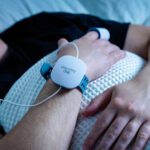
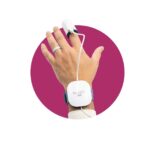
Sleep Doctor’s home sleep study gives your results reviewed by a sleep specialist and guidance on what to do next. Most major insurance plans accepted.
What Is Sleep Apnea?
Sleep apnea is a common sleep disorder that affects nighttime breathing. After a person with sleep apnea dozes off, they begin to alternate between periods of normal breathing and episodes when their breathing becomes shallow or stops completely. There are two forms of sleep apnea:
- Obstructive sleep apnea (OSA): Most people with sleep apnea have obstructive sleep apnea. With OSA, nighttime breathing issues are caused by a blocked or collapsed airway.
- Central sleep apnea (CSA): Central sleep apnea is a less common form of sleep apnea. With CSA, lapses in breathing occur because the brain temporarily stops telling the body when to breathe. CSA is usually caused by an underlying health condition or is the side effect of a medication.
How Do You Know if You Have Sleep Apnea?
Knowing whether you have sleep apnea isn’t always straightforward, since many of the symptoms occur during sleep. However, certain warning signs can suggest the condition. In many cases, a bed partner or family member is the first to notice breathing disruptions. Ultimately, a doctor will need to confirm whether you have sleep apnea.
Symptoms of Sleep Apnea
The symptoms of sleep apnea depend on the severity and underlying cause of breathing issues. Everyone with sleep apnea experiences irregular breathing after falling asleep, but many don’t notice other common symptoms or mistakenly believe that their symptoms are a normal part of getting older.
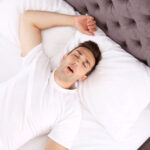
- Snoring: People with sleep apnea may snore, snort, choke, or gasp during periods of irregular breathing at night. Almost everyone with sleep apnea snores, though not all people who snore have sleep apnea.
- Daytime sleepiness: Frequent nighttime awakenings can contribute to feeling excessively tired during the day. Tiredness may persist throughout the day or get worse while driving, watching television, or while engaging in other passive activities.
Additional symptoms of sleep apnea include:
- Daytime headaches
- Dry mouth
- Difficulty with concentration and memory
- Nighttime chest pain
- Getting up at night to use the bathroom
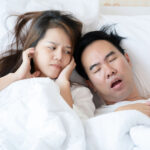
Because the most recognizable symptoms of sleep apnea begin during sleep, people may not be aware of their symptoms until a roommate or bed partner mentions them.
Risk Factors for Sleep Apnea
Anyone can have sleep apnea, but certain risk factors increase the likelihood that a person will develop these sleep-related breathing disorders.
- Older age: Getting older increases the risk of both obstructive and central sleep apnea. The risk of obstructive sleep apnea peaks in a person's 60s and 70s, while central sleep apnea is most common in people over 65 years old.
- Male sex: Men and people assigned male at birth are at a heightened risk of both types of sleep apnea. Experts suggest that this increased risk may be related to the effects of hormones on breathing.
- Physical features: Some people are more prone to developing obstructive sleep apnea because of the shape, size, or position of certain physical features. Features that may increase the risk of breathing issues during sleep include a short lower jaw, wide facial shape, or enlarged tissues in the throat.
- Medical conditions: A wide variety of medical conditions increase the risk of sleep apnea. These conditions include heart failure, stroke, high blood pressure, atrial fibrillation, and diseases of the lungs or kidneys.
- Medications and substances: Certain medications, as well as substances like alcohol and opioids, can make a person more likely to develop sleep apnea or make existing sleep apnea worse. Other medications that increase the risk of sleep apnea include some antidepressants and benzodiazepines.
Other potential risk factors for obstructive sleep apnea include smoking, nasal congestion, environmental exposures, and a family history of snoring or obstructive sleep apnea.
For children with sleep apnea, the most significant risk factors are obesity and enlarged adenoids and tonsils. Enlarged tonsils or adenoids may be due to inflammation, infection, or genetics.
When to Talk to Your Doctor
If you’re experiencing any symptoms of sleep apnea, including loud snoring or unexplained daytime tiredness, it’s important to contact your health care provider. Also talk to your doctor if a roommate or bed partner notices severe snoring or breathing changes as you sleep.
To diagnose sleep apnea, a doctor will ask about your medical history, conduct a physical exam, and recommend tests to understand the cause of your symptoms. The most important test used to diagnose sleep apnea is a sleep study, which is also called polysomnography. A sleep study is a test conducted overnight in a special sleep laboratory or, in some cases, in your home.
How Is Sleep Apnea Diagnosed?
Diagnosing sleep apnea starts with an evaluation by a doctor or sleep specialist, who will review your symptoms, medical history, and risk factors. They may ask about snoring, nighttime awakenings, gasping or choking sounds during sleep, and how rested you feel during the day. Because people often don’t notice their own nighttime symptoms, a bed partner’s observations can be especially helpful.
Sleep Study
A physical exam may also be performed to look for features that increase sleep apnea risk, such as a narrowed airway, enlarged tonsils, or a higher body mass index (BMI). If sleep apnea is suspected, the next step is a sleep study, which provides the data needed for a formal diagnosis.
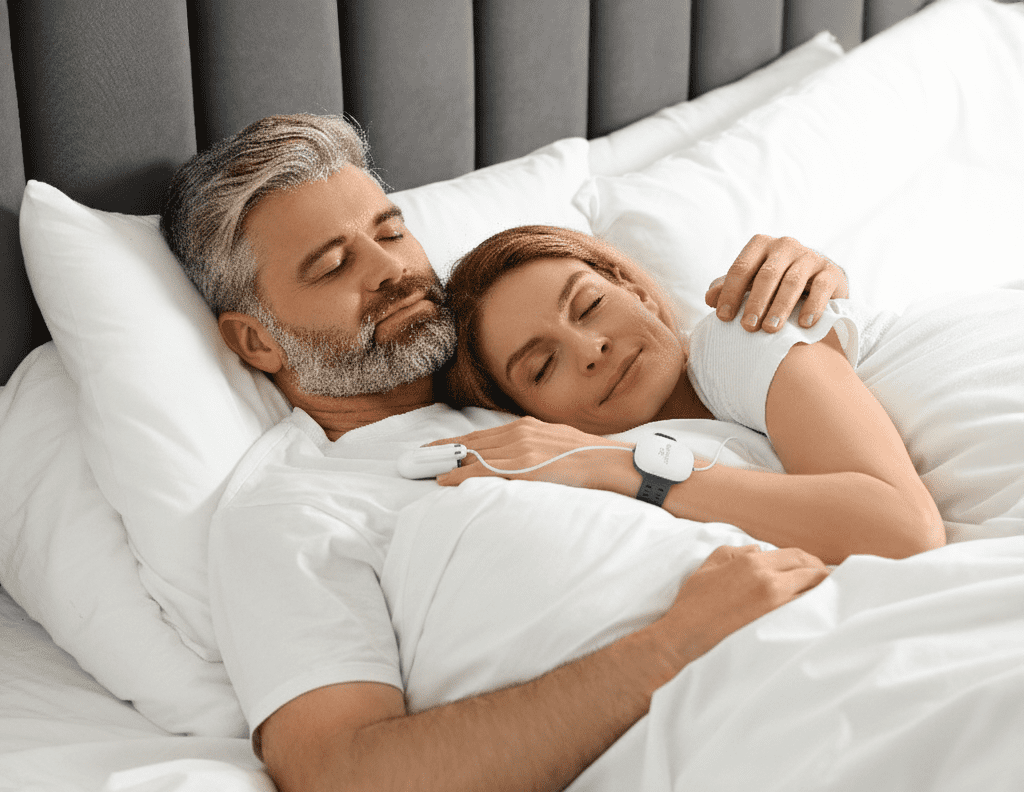
Sleep apnea can be confirmed through either an overnight sleep study in a sleep lab — called polysomnography — or an at-home sleep apnea test. A lab study can detect all types of sleep apnea and tracks a wide range of measurements, including brain waves, airflow, breathing effort, oxygen levels, heart rate, and sleep stages.
At-home sleep apnea tests are simpler and typically recommended for people with symptoms of moderate to severe obstructive sleep apnea. They measure breathing patterns, airflow, and oxygen levels while you sleep in your own bed.
Sleep Apnea Diagnosis
A sleep specialist will review the results of your study to determine whether you have sleep apnea, what type you have, and how severe it is. Diagnosis is based in part on your apnea-hypopnea index (AHI), which reflects how many breathing pauses or shallow breaths you experience per hour of sleep.
- Mild sleep apnea: an AHI of 5 to 14
- Moderate sleep apnea: an AHI of 15 to 29
- Severe sleep apnea: an AHI of 30 or more
These findings help guide your treatment plan and determine the most appropriate therapy for your needs.
How Is Sleep Apnea Treated?
Treatment for sleep apnea is chosen based on the type of sleep apnea diagnosed and the severity of the condition. As central sleep apnea is most often related to another condition, initial treatment is usually geared towards addressing that underlying medical issue.
In people with obstructive sleep apnea, doctors may recommend certain behavior changes, including caution when operating a vehicle due to the increased risk of sleepiness-related accidents. Doctors may also recommend an exercise or weight-loss program for people who are overweight or have obesity.
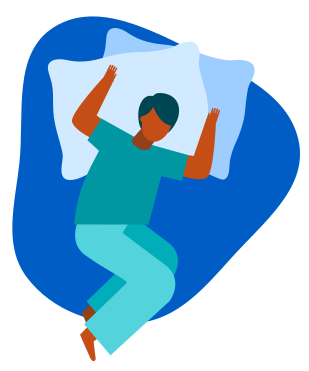
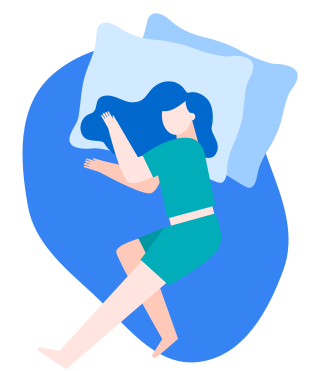
People with sleep apnea should also be aware of factors that may worsen their nighttime breathing, such as alcohol or sedating medications. In some cases, obstructive sleep apnea worsens when a person is lying on their back, so doctors may offer advice on changing the position in which they sleep.
- Continuous positive airway pressure (CPAP): CPAP therapy keeps the airway open during sleep by pumping pressurized air through a mask. CPAP is the most commonly prescribed treatment option for people with central or obstructive sleep apnea.
- Other types of PAP therapy: Other ways of delivering positive airway pressure include auto-adjusting positive airway pressure (APAP), bilevel positive airway pressure (BiPAP or BPAP), and adaptive servo-ventilation (ASV) machines.
- Oral appliances: Oral appliances may be recommended for some people with obstructive sleep apnea. These devices are worn in the mouth to keep the airway open during sleep.
- Surgery: Surgery to remove the tonsils and adenoids may be the first treatment recommended for children with obstructive sleep apnea. Doctors may also recommend sleep apnea surgery for adults with obstructive sleep apnea when other treatments aren’t working.
- Nerve stimulation: With nerve stimulation, a medical device is implanted in the body to normalize breathing. In obstructive sleep apnea, a nerve stimulation device prevents the airway from collapsing. In central sleep apnea, a different implantable medical device stimulates breathing muscles.
Medical Disclaimer: This content is for informational purposes and does not constitute medical advice. Please consult a health care provider prior to starting a new treatment or making changes to your treatment plan.

Written by
Rob Newsom, Contributing WriterRob writes about the intersection of sleep and mental health and previously worked at the National Cancer Institute.

Reviewed by
Howard J. Hoffman, DDS, Medical ReviewerDr. Howard J. Hoffman is a dentist specializing in dental sleep medicine and the treatment of obstructive sleep apnea and temporomandibular joint (TMJ) disorders. With more than four decades of experience in dentistry and over 25 years focused on sleep apnea treatment, he works with physicians and sleep specialists to help patients manage sleep-disordered breathing using oral appliance therapy.