At a Glance
While CPAP is the most common treatment for obstructive sleep apnea, other options may be available for people who cannot tolerate it. Alternatives include oral appliances, other types of PAP machines, surgery, nerve-stimulation devices, and lifestyle changes to help reduce airway obstruction during sleep.
While continuous positive airway pressure (CPAP) therapy is often effective at treating sleep apnea, it don’t work for everyone. As many as 40% of people who are prescribed a CPAP machine don’t use it regularly. Discomfort and other side effects can be bothersome for both CPAP users and their bed partners.
But there are a number of alternatives to CPAP therapy may be able to help treat sleep apnea. Treatment typically focuses on reducing breathing disruptions, improving sleep, and resolving other symptoms. Options include other kinds of PAP devices, oral appliances, surgery, or nerve stimulation.
Below, we’ll explore common CPAP alternatives, how they work, and which options may be best based on your health history, preferences, and the cause and severity of your sleep apnea.
Other Types of PAP Therapy
CPAP is just one type of positive airway pressure (PAP) machine. All PAP devices generate a stream of pressurized air that's delivered to the windpipe to promote steady and unobstructed breathing. However, these machines are distinguished by specific aspects of how they work.
- CPAP: With a CPAP device, the amount of air pressure stays the same throughout the night, regardless of whether you're breathing in or breathing out.
- APAP: An auto-adjusting positive airway pressure (APAP) device employs built-in sensors to assess your breathing and modify the level of air pressure it provides. Treatment with an APAP machine may be an option if you’ve been diagnosed with OSA and don't have any other health or breathing problems. Your doctor may also suggest trying an APAP device if you struggle to adapt to the uniform pressure of a CPAP. APAP machines are typically as effective as CPAP machines.
- BiPAP: A bilevel positive airway pressure (BiPAP or BPAP) machine delivers air set to two different levels of air pressure, one for when you inhale and the other for when you exhale. A BPAP machine isn't usually prescribed when beginning treatment for obstructive sleep apnea. But your doctor may recommend BPAP if you've already tried CPAP or APAP and continue to have breathing problems when you sleep. Your doctor may also recommend BPAP if you have other health issues in addition to OSA that affect your breathing during sleep.
- ASV: Adaptive servo-ventilation (ASV) involves more dynamic pressure adjustments, carefully calibrated to match changes that are detected in both your inhalations and exhalations. ASV is normally reserved for addressing more complicated patterns of breathing disruptions.
- EPAP: An expiratory positive airway pressure (EPAP) provides resistance during exhalation to help keep the airway open, typically using small valves or vents without the need for continuous airflow.
Struggling With CPAP? You Have Other Options
Sleep Doctor offers a range of CPAP alternatives to help you find a solution that fits your comfort, lifestyle, and sleep needs.
Oral Appliances
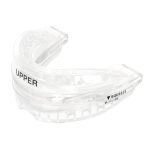
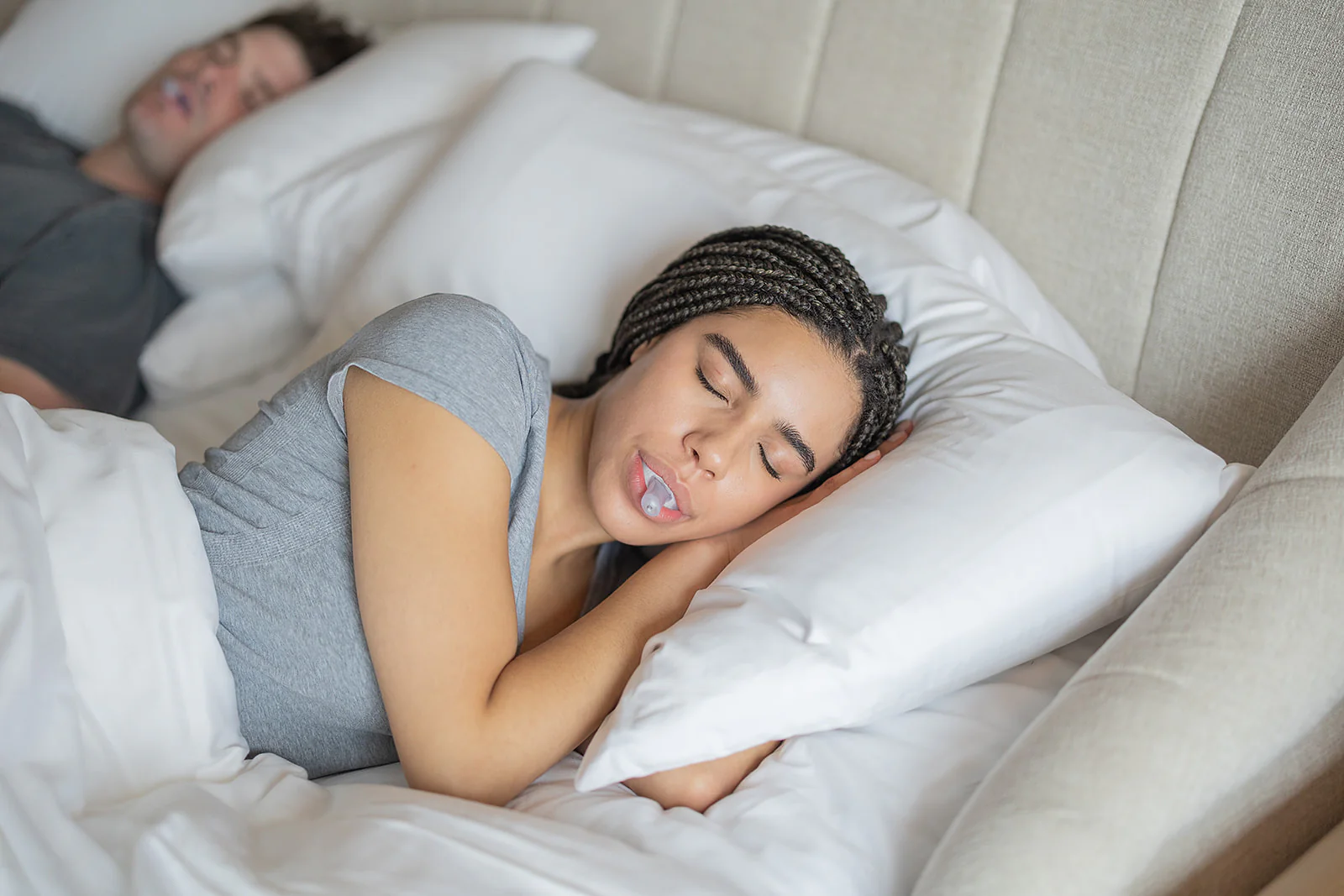
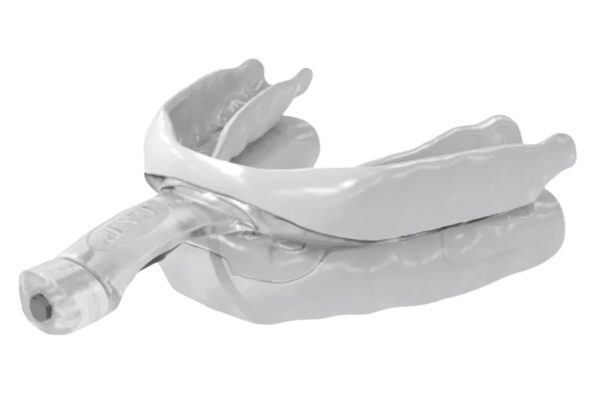
Oral appliances for sleep apnea are specially fitted devices that you wear while sleeping that helps position your mouth in a way that keeps your airway open. There are two main types.
- Mandibular advancement devices (MADs): The most common oral appliance, MADs are designed to move your jaw forward.
- Tongue retaining device (TRDs): These keep the tongue from sliding toward the back of the mouth by holding them with a gentle suction.
By maintaining a certain position of the jaw or tongue, an oral appliance can prevent muscles and tissues in the back of the throat from blocking your airway. In young children, an oral appliance can also help widen parts of the nose or mouth to make it easier for air to flow without obstruction.
To be effective, an oral appliance needs to be properly fitted to your mouth and then adjusted to best support your breathing. This process is usually managed by your dentist, who can work in collaboration with your doctor.
While over-the-counter oral appliances haven't been shown to be effective for treating obstructive sleep apnea, a custom-fitted oral appliance can be an appealing alternative to CPAP for several reasons.
- Reduced sleep apnea symptoms: Although they're not quite as effective as CPAP machines, oral appliances can improve breathing and reduce many symptoms of sleep apnea, including snoring.
- Ease of use: Once an oral appliance has been custom-fitted and adjusted, using it simply requires wearing it every night when you go to sleep.
- Portability: Oral appliances are small, lightweight, and don't require electricity, making them especially appealing for people who travel frequently and don’t want to have to bring a CPAP device with them.
- Fewer disruptions: Oral appliances don’t make noise that can disrupt a bed partner, which may be an issue with some CPAP devices.
However, oral appliances may not be a good alternative to CPAP machines in certain situations.
- Severe OSA: Oral appliances aren't typically prescribed for severe obstructive sleep apnea that involves a high number of breathing disruptions and significant decreases in blood oxygen levels.
- Complex breathing problems: If you have multiple conditions affecting your breathing at night, an oral appliance is unlikely to stabilize your breathing patterns.
- Need for quick results: It often takes at least a few weeks for an oral appliance to be properly fitted and adjusted, so this type of therapy is not normally prescribed if you need treatment right away.
- Certain dental problems: Some dental conditions, such as missing teeth or jaw problems, can make it difficult to properly fit and safely wear an oral appliance.
- Limited finger strength: If you have a medical condition that reduces the strength and dexterity of your fingers, it may be harder to put in and take out an oral appliance every night.
Although many people find it simpler to use an oral appliance compared to a CPAP machine, you may still experience side effects when using an oral appliance, including dryness, irritation, or discomfort in your mouth. These aren't usually long-lasting effects, but it's possible for an oral appliance to cause changes to your teeth or bite.
Experts still don’t know exactly who is most likely to benefit from using an oral appliance, so it’s important to ask your doctor whether they think an oral appliance is appropriate for you. If so, your dentist can help get the best-fitting appliance for your situation.
Recommended Sleep Apnea Products


Sleep Apnea Surgery
Surgery for obstructive sleep apnea can involve removing or reconstructing tissues in the nose, mouth, or throat, making them less likely to block the airway.
While surgery may be an alternative to CPAP therapy, it's usually considered only when CPAP therapy is ineffective. Several other criteria are typically required in order for surgery to be an appropriate treatment option for obstructive sleep apnea.
- Modifiable physical issue: Surgery is most likely to be beneficial when you have at least one clear anatomical issue that contributes to your sleep apnea and that can be corrected with an operation.
- Sufficient overall health: In order for surgery to be an option, you must be healthy enough for your doctor to believe that you can safely undergo and recover from a surgical procedure.
- Personal interest: Before making a decision about surgery, your doctor will review its pros and cons, which can help you make an informed choice about whether it's an option that you're interested in pursuing.
Several kinds of surgical procedures can be performed to prevent the blockage of the airway during sleep. The choice of operation depends on the cause of airway obstruction in your specific case.
One of the most common procedures is called uvulopalatopharyngoplasty (UPPP), which surgically removes certain tissues in or around the airway. Other procedures may strengthen the walls of the airway, eliminate blockages of the nasal passages, or even create a permanent opening in the windpipe.
Surgery is a more common treatment for children with sleep apnea. In children, the operation normally involves removing the tonsils and adenoids near the back of the throat.
Although surgery can often reduce the severity of sleep apnea, it doesn't usually resolve the condition completely. In fact, some people still need to use a CPAP after surgery in order to keep their symptoms under control.
Many people experience pain in their throats and difficulty swallowing after surgery for sleep apnea. And surgery presents the risk of additional complications, both during and after the operation.
Nerve Stimulation
Surgeons may also treat obstructive sleep apnea by implanting a device under the chin and collarbone and along the nerve that controls the tongue. The device provides light electrical stimulation to this nerve, which can help keep the tongue and other tissues from slackening and blocking the airway.
Hypoglossal nerve stimulation is still a relatively new treatment for obstructive sleep apnea, but it shows promise. To date, this type of treatment is authorized by the U.S. Food and Drug Administration (FDA) for people who meet specific criteria:
- Over 22 years of age
- Previously tried CPAP without positive results
- Moderate or severe obstructive sleep apnea
- Lower body mass index (BMI)
- Absence of anatomical features that could affect the device’s effectiveness
As with other treatments, nerve stimulation can have side effects. These may include infection or irritation and weakness of the tongue. In addition, the device may malfunction and require another operation to remove or replace it.
Lifestyle Changes
Various aspects of your habits and health can contribute to obstructive sleep apnea. Certain lifestyle changes, such as losing weight, being more active, changing your sleeping position, and avoiding sedative drugs, may decrease the severity of your symptoms.
- Weight loss: Losing weight rarely eliminates OSA entirely, but it can decrease the number of breathing disruptions you have while sleeping. In some cases, doctors may recommend the weight-loss medication Zepbound or bariatric surgery.
- Regular exercise: Making physical activity — body cardio and strength training — a habit during the day may improve your OSA at night, even if exercise doesn’t lead to measurable weight loss.
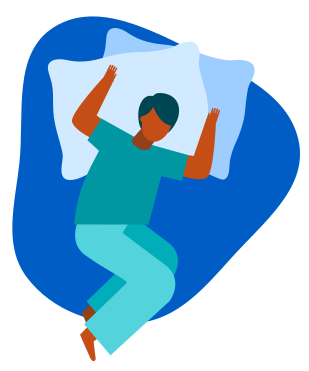
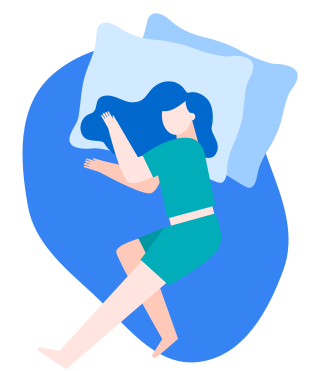
- Changing sleep posture: Airway blockages are more likely when you sleep on your back, so switching to sleeping on your side may help. That said, sticking with a new sleeping position can be hard, and it’s unlikely to resolve OSA completely.
- Avoiding alcohol and sedatives: Alcohol and other drugs that slow the central nervous system can make your OSA worse. For this reason, you should avoid alcohol before bed. Talk with your doctor about the dose and timing of any prescription medications that you take that have a sedative effect.
- Mouth exercises: Some studies have found that certain mouth exercises done during the day to strengthen muscles in the mouth and throat may cut down the severity of sleep apnea.
- Reducing environmental irritants: For children with OSA, experts recommend taking steps to decrease the amount of allergens, cigarette smoke, and other airborne irritants in their bedroom that could affect their breathing.
Making lifestyle changes alone is rarely an alternative to CPAP therapy. Instead, these changes are usually recommended in addition to other treatments for obstructive sleep apnea.
Because the factors contributing to obstructive sleep apnea can be different for every person, you should talk with your doctor about the lifestyle changes that are most likely to benefit you and any resources that may help you make those changes.
CPAP Alternatives for Central Sleep Apnea
Central sleep apnea (CSA) is an uncommon type of sleep apnea that affects less than 1% of adults. While CSA involves repeated breathing interruptions during sleep, it has a different cause than obstructive sleep apnea. In CSA, these interruptions are due to irregular signaling between the brain and the muscles used for breathing.
Central sleep apnea is typically linked to a preexisting medical problem like a stroke or heart failure. The main treatment for CSA often involves addressing that underlying issue, so CPAP therapy or other CSA-specific treatments aren't always needed.
As with obstructive sleep apnea, alternatives to CPAP may include other PAP devices like a BiPAP or ASV machine. The optimal device depends on the nature of your breathing patterns and what is causing your CSA.
Implantable nerve stimulation may also be an alternative to CPAP therapy for central sleep apnea. This type of treatment involves placing a device into the upper part of the chest, which then provides electrical stimulation to nerves that affect the process of breathing.
Because CSA can involve complex changes to your breathing, it's essential to talk with a doctor about the most appropriate treatment given your specific circumstances.
Reasons to Consider CPAP Alternatives
You may have several reasons for looking into an alternative to CPAP therapy. If CPAP fails to resolve your symptoms or if you have difficulty consistently using CPAP, it may be worthwhile to consider other treatment options.
Some of the negative effects that can arise from CPAP include:
- Discomfort from the inflow of pressurized air, especially when exhaling
- Claustrophobia or discomfort when wearing the CPAP mask
- Irritation or dryness of the nose or mouth
- Nasal congestion
- Swallowing too much air, which may cause bloating
- Skin irritation around the nose or mouth
- Eye irritation
You may find the CPAP to be too inconvenient or noisy. Noise from the CPAP may also interfere with your bed partner’s sleep.
While getting used to CPAP can be challenging, many people find that it gets easier over time. Doctors can also recommend various modifications to make using CPAP more comfortable. If these steps don’t help you get acclimated to CPAP therapy, you can talk with your doctor about CPAP alternatives.
Talking With Your Doctor
If you have sleep apnea and have questions or concerns about your treatment, you should speak directly with your doctor or sleep specialist. They can discuss the type of sleep apnea you have, how severe it is, and how well your current treatment is working.
If you use a CPAP machine, your doctor may receive data about how the device is working and how often you use it. They may also be able to remotely adjust your device’s settings. If you're having difficulties with your CPAP machine, they can suggest practical ways of resolving those issues and making your sleep more comfortable.
Your doctor or sleep specialist can also go over the possible alternatives to CPAP therapy and review their benefits and drawbacks to help you fully understand your options.
Medical Disclaimer: This content is for informational purposes and does not constitute medical advice. Please consult a health care provider prior to starting a new treatment or making changes to your treatment plan.
Written by
Audra Sarver, MHS, PA-C, Contributing WriterAudra is a licensed, certified physician assistant and freelance health writer. She has specialized in psychiatry since completing her clinical training in 2018. Her passion for writing was born from the desire to make complex medical information more accessible and understandable to patients and their loved ones. Audra likes to write about all things related to behavioral health and physical wellness.
Reviewed by
Howard J. Hoffman, DDS, Medical ReviewerDr. Howard J. Hoffman is a dentist specializing in dental sleep medicine and the treatment of obstructive sleep apnea and temporomandibular joint (TMJ) disorders. With more than four decades of experience in dentistry and over 25 years focused on sleep apnea treatment, he works with physicians and sleep specialists to help patients manage sleep-disordered breathing using oral appliance therapy.