

At a Glance
Sleep apnea doesn’t directly cause weight gain, but it can strongly contribute to it. Disrupted sleep affects hormones that regulate hunger and energy, increasing the risk of weight gain over time.
Sleep plays a critical role in how the body regulates weight, energy, and metabolism — and sleep apnea can disrupt all three. Obstructive sleep apnea (OSA) affects 10% to 30% of American adults and is caused by repeated blockage or collapse of the airway during sleep. Over time, these repeated sleep disruptions can make people feel more tired during the day, hungrier than usual, and less able to maintain a healthy weight.
Below, we explore the complex relationship between sleep apnea and weight, including how sleep apnea may contribute to weight gain, why excess weight can worsen symptoms, and how treatment may support healthier weight management.
How Are Sleep Apnea and Weight Connected?
Weight gain and obesity are major risk factors for developing obstructive sleep apnea, the most common breathing disorder linked to sleep in the U.S. In fact, as many as 90% of U.S. adults with OSA also have overweight.
Gaining weight can increase the size of the neck and the upper airway’s soft tissues, as fat builds up in the neck and throat. These enlarged tissues in the throat can restrict or block a person’s airway when they sleep, leading to pauses in breathing and sleep disruption. A narrowed airway also causes snoring, a common symptom of OSA.
Excessive weight gain also limits the lungs’ ability to take in air. Fat buildup in the chest and abdomen can put pressure on the structures surrounding the lungs, reducing the amount of air the lungs can hold. With less air passing through, the upper airway becomes more likely to collapse.
Additionally, weight gain and obesity may make obstructive sleep apnea symptoms worse for people who've already been diagnosed with the condition.
Think You May Have Sleep Apnea? Try an At-Home Test

our partner at sleepdoctor.com
10% off Home Sleep Tests
Buy Now“Truly grateful for this home sleep test. Fair pricing and improved my sleep!”
Dawn G. – Verified Tester

Simple and convenient
- Equipment delivered to your doorstep
- One overnight test in the comfort of your own bed

Uncover sleep apnea
- Quietly collects data while you sleep
- 98% effective in detecting sleep apnea

Affordable & ships fast
- Arrives in 2-4 business days
- In-lab sleep tests cost ~$3,000+ (this one’s $189), HSA/FSA eligible


Does Sleep Apnea Cause Weight Gain?
Sleep apnea does not directly cause weight gain, but it can make weight gain more likely over time. Repeated sleep disruptions and drops in oxygen levels affect several systems in the body that regulate appetite, metabolism, and energy use.
One reason sleep apnea may contribute to weight gain is its effect on hormones that regulate hunger and satiety, particularly ghrelin and leptin. Ghrelin stimulates hunger, while leptin helps regulate feelings of fullness. Evidence suggests that people with obstructive sleep apnea have high levels of leptin and are more prone to leptin resistance. People with leptin resistance are less likely to feel full after eating, which leads them to eat excessively and gain weight.
Sleep apnea can also lead to chronic daytime fatigue, making regular physical activity feel more difficult or less appealing. Over time, reduced energy levels combined with increased appetite may create conditions that support gradual weight gain, even without major changes in diet.
One of the most common types of treatment for OSA, CPAP therapy, may also cause weight gain. Conversely, some doctors report that individuals with OSA have lost weight after starting CPAP. Studies haven't fully uncovered the reasons why this could be.
Regardless, because CPAP is effective at reducing the symptoms of obstructive sleep apnea, people shouldn't discontinue the therapy without talking to their doctor first.
Is Sleep Apnea Reversible With Weight Loss?
Weight loss can significantly improve sleep apnea symptoms for many people, but it doesn't cure the condition. Weight loss can lower the number of breathing pauses a person with OSA experiences while asleep, which can also decrease daytime sleepiness. Losing weight may also reduce blood pressure and improve a person’s overall quality of life.
For some individuals with mild to moderate obstructive sleep apnea, substantial weight loss may reduce symptoms enough that treatment needs change over time. However, sleep apnea is a complex condition influenced by multiple factors, including airway anatomy, muscle tone, age, and genetics. Because of this, weight loss alone may not fully resolve sleep apnea, particularly in people with more severe disease.
It’s also important not to stop prescribed sleep apnea treatment without medical guidance. Treatments can improve sleep quality and daytime energy, which may actually make it easier to pursue and maintain healthy lifestyle changes, including weight loss.

What Are the Risks of Untreated Sleep Apnea?
Excess weight, obesity, and untreated obstructive sleep apnea increase the risk of a range of other health issues, including:
- High blood pressure
- Cardiovascular disease
- Pulmonary hypertension
- Insulin resistance
- Type 2 diabetes
- Obesity hypoventilation syndrome
- Fatty liver disease
Obstructive sleep apnea can cause chronic sleep loss, leading to cognitive deficits such as memory loss, drowsiness, and impaired decision-making. Some people with sleep apnea are also at risk for mood disorders, nocturia, and decreased sex drive.
What Are the Treatment Options for Sleep Apnea?
Speak with your doctor early to prevent excess weight gain, decrease obstructive sleep apnea symptoms, and lower the risk of developing other health problems. Your doctor can provide information about the different treatment options for sleep apnea, as well as give you personalized advice for managing your weight.
Losing Weight
If weight loss is part of your sleep apnea management plan, the following strategies may help support sustainable progress:
- Build consistent movement into your routine: Choose activities you enjoy, such as walking, swimming, or cycling, and aim for regular movement rather than intense workouts that are hard to maintain.
- Pay attention to eating patterns: Balanced meals that include protein, fiber, and healthy fats can help manage hunger and support stable energy levels.
- Limit alcohol, especially in the evening: Alcohol can worsen sleep apnea symptoms by temporarily loosening your muscles and contributing to airway narrowing. It also interferes with both sleep quality and weight management.
Weight loss can be a powerful tool for improving sleep apnea symptoms, but it works best as part of a comprehensive treatment plan guided by a healthcare provider.
PAP Therapy
After diagnosing OSA, your doctor may discuss positive airway pressure (PAP) therapy. Because obstructive sleep apnea develops because of a narrow or blocked airway, PAP treatment uses air pressure to keep the airway open during sleep to reduce the symptoms of sleep apnea.
The two most common types of PAP therapy are continuous positive airway pressure (CPAP) and auto-adjusting positive airway pressure (APAP). These small machines deliver filtered air through a hose into a mask that covers the nose or both the nose and mouth.
The goal of PAP therapy is to improve sleep and reduce daytime tiredness by decreasing the signs and symptoms of sleep apnea.

Lifestyle Changes
Some lifestyle changes can potentially help sleep apnea. In combination with PAP therapy, these home remedies may help improve the symptoms of obstructive sleep apnea.
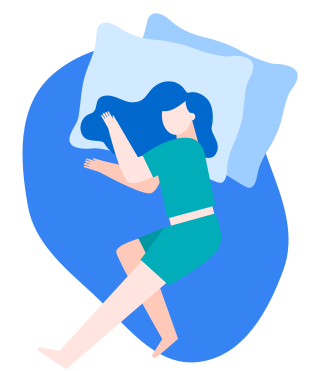
- Sleep on your side: If you sleep on your back, consider side sleeping to keep your tongue from falling into your airway. If it's in your budget, consider switching to a mattress for side sleepers.
- Elevate your head: Using extra pillows, a wedge pillow, or an adjustable mattress to raise your head can help keep your airway open.
- Stop smoking: Smoking can irritate and inflame the upper airway, increasing swelling and mucus production that can worsen sleep apnea. Quitting smoking may reduce airway inflammation and improve overall breathing during sleep.
- Perform mouth and throat exercises: Certain exercises that strengthen the muscles of the tongue, throat, and mouth—sometimes called oropharyngeal or myofunctional exercises—may help reduce airway collapse in people with mild to moderate sleep apnea when practiced consistently.
Oral Appliances
Oral appliances are custom-made devices worn in the mouth during sleep to help keep the airway open. Most work by gently repositioning the lower jaw and tongue forward, reducing the likelihood of airway collapse. These devices are typically prescribed by a sleep specialist and fitted by a dentist with training in sleep medicine.
Oral appliances may be an effective option for people with mild to moderate obstructive sleep apnea, or for those who cannot tolerate CPAP therapy. However, they can sometimes cause side effects, such as jaw discomfort, tooth movement, or bite changes.
Medication
Most medications don't treat the underlying airway blockage that causes obstructive sleep apnea. However, in people with obesity, certain weight-loss medications may help improve sleep apnea severity.
Zepbound (tirzepatide) is approved for adults with moderate-to-severe OSA who also have obesity, when used alongside diet and physical activity. By promoting significant weight loss, Zepbound may reduce pressure on the upper airway and lead to fewer breathing interruptions during sleep. It doesn't replace treatments like CPAP, but may be used as part of a comprehensive sleep apnea management plan under medical supervision.
Surgery
Surgical treatment for sleep apnea aims to reduce or remove physical obstructions in the airway or to improve airway stability. The type of surgery recommended depends on the individual’s anatomy, the severity of sleep apnea, and how they respond to other treatments.
Surgical options may include procedures to remove excess tissue from the throat, reposition the jaw, correct structural abnormalities in the nose, or implant devices that stimulate airway muscles during sleep. Weight loss (bariatric) surgery may also be considered for people with obesity, as substantial weight loss can reduce pressure on the upper airway and lead to meaningful improvements in sleep apnea severity.
However, surgery is usually considered when other treatments, such as CPAP or oral appliances, are ineffective or not tolerated.
When to Talk to Your Doctor
If you have symptoms of sleep apnea and are experiencing unexplained weight gain or difficulty losing weight, it’s a good idea to talk with a healthcare provider. Early evaluation and ongoing follow-up can help improve both sleep quality and overall health. Common signs of sleep apnea include:
- Loud or frequent snoring
- Gasping or choking during sleep
- Unrefreshing sleep
- Morning headaches
- Excessive daytime sleepiness
You should also speak with your doctor if you've been diagnosed with sleep apnea and continue to struggle with fatigue or weight changes despite treatment. In some cases, treatment adjustments or additional support, such as weight management strategies or evaluation for other contributing conditions, may be helpful.
Have a question for our experts? Submit it to the Sleep Doctor Forum.
Written by
Martinique Edwards, Contributing WriterMartinique writes content focused on sleep health, science, and trends. She graduated from the University of Georgia with a bachelor’s degree in Ecology and master’s degree in Environmental Health and has research experience in environmental microbiology and aquatic science. Martinique loves to view the world through an ecological lens, where everything is interconnected. In her free time, she enjoys outdoor activities such as running and parkour.

Reviewed by
Gerard Meskill, MD, FAASM, Medical ReviewerGerard J. Meskill, MD, is board certified in both neurology and sleep medicine, and he is the founder and CEO of Tricoastal Narcolepsy and Sleep Disorders Center. The “Tricoastal” moniker references his background: he completed neurology residency on the East Coast at Long Island Jewish Medical Center – where he served as chief resident, sleep fellowship on the West Coast at Stanford University, and he now practices sleep medicine and neurology on the Gulf Coast in the greater Houston, Texas area.