At a Glance
TMJ pain and sleep apnea share some risk factors and symptoms, like teeth grinding and morning headaches. Sleep apnea treatment usually starts with CPAP therapy, but both TMJ and OSA can be treated with different oral appliances. If you notice new symptoms of either condition, tell your doctor, who can help you create a treatment plan for better sleep.
Jaw pain from TMJ and pauses in breathing with sleep apnea can both disrupt sleep. But what happens when you have sleep apnea and TMJ together? Problems with your jaw like TMJ share some risk factors with sleep apnea, like teeth grinding. Both can also result in morning headaches.
Below, learn how TMJ disorders and sleep apnea are connected, how you can treat both, and how to talk to your doctor about new or worsening symptoms.
What Is TMJ (Temporomandibular Joint Disorder)?
Several different muscles connect your upper and lower jaw, which meet at a joint called the temporomandibular joint (TMJ). When your jaw muscles and the joint itself stop working well together, it may result in a temporomandibular joint disorder (TMD), commonly referred to as “TMJ.” Jaw joint disorders can be due to a wide range of factors, from high stress levels to a chronic illness like rheumatoid arthritis.
TMJ symptoms include:
- Headache
- Ear and face pain
- Jaw joint tender to the touch
- Teeth grinding or jaw clenching
- Popping or clicking with jaw movement
- Ear ringing (tinnitus)
- Neck pain and stiffness
Think You May Have Sleep Apnea? Try an At-Home Test

our partner at sleepdoctor.com
10% off Home Sleep Tests
Buy Now“Truly grateful for this home sleep test. Fair pricing and improved my sleep!”
Dawn G. – Verified Tester

Simple and convenient
- Equipment delivered to your doorstep
- One overnight test in the comfort of your own bed

Uncover sleep apnea
- Quietly collects data while you sleep
- 98% effective in detecting sleep apnea

Affordable & ships fast
- Arrives in 2-4 business days
- In-lab sleep tests cost ~$3,000+ (this one’s $189), HSA/FSA eligible


How Are Sleep Apnea and TMJ Connected?
TMJ and sleep apnea share some risk factors, like excess body weight, teeth grinding during sleep, and the shape of your jaw bones and surrounding tissues.
For example, some studies show a link between the position of your jaw and a smaller airway — the open spaces behind your mouth and nose. And anything that narrows this space can increase your risk of sleep apnea.
Morning headaches are the most common symptom shared by both these conditions. But both TMJ and sleep apnea can cause jaw clenching and muscle tension. And sleep apnea can cause inflammation that may worsen dental problems and mouth pain.
Another connection between sleep apnea and TMJ is teeth grinding (bruxism) during sleep. Some research suggests that breathing problems can prompt rhythmic jaw clenching, which can worsen TMJ symptoms.
Can Sleep Apnea Cause TMJ?
Experts haven’t proven that sleep apnea causes TMJ, but some research shows an indirect relationship. For example, people with OSA also have differences in the tissues in and around their airway and mouth, and some research shows disrupted sleep from breathing pauses can trigger more TMJ symptoms.
One study of 50 people with obstructive sleep apnea (OSA) and 50 without found that TMD symptoms were more common in the OSA group. Almost half of adults who have OSA also grind their teeth at night, and bruxism is a known risk factor for TMJ.
Can TMJ Cause Sleep Apnea?
TMJ alone rarely causes sleep apnea, but your jaw’s structure and position can make your airway more narrow — a risk factor for sleep-related breathing disorders like OSA.
Some medications for TMJ relax your muscles, but this effect can also cause muscles in your throat to loosen and block your airway while you sleep. For this reason, your doctor may recommend against these medications if you already have sleep apnea or a high risk of developing it.
How Are Sleep Apnea and TMJ Treated?
Sleep apnea and TMJ treatment can include mouth guards, medications, and CPAP therapy.
Oral Appliances for Sleep Apnea and TMJ
Oral devices for sleep apnea typically push out your lower jaw or pull your tongue forward to provide more space for air to move, even if your tissues partially block your airway. For TMJ, your dentist fits a mouth guard to make your bite more even, which can lessen how much you clench your jaw at night.
Some people have an easier time sticking with an oral device over a CPAP machine for OSA treatment because they’re quieter and easier to use. If you have TMJ, a mouth guard can also protect your teeth from damage during nighttime clenching.
However, you typically can’t wear both a TMJ mouth guard and a sleep apnea oral appliance at the same time, and a device designed for one condition won’t effectively treat the other. If you have both TMJ and OSA, it’s important to work with a specialist to find a solution that addresses both issues safely and effectively.
Additionally, oral appliances for TMJ or sleep apnea also come with some risks, including:
- Tooth movements
- Too much or too little saliva
- Sensitive teeth
- Gum inflammation
Sometimes, oral devices can make jaw muscle tension worse at first, but this side effect may go away on its own after you get used to wearing it.
CPAP and TMJ
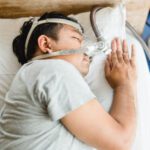
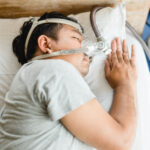
CPAP therapy keeps your airways open while you sleep by using pressure delivered through a mask, and this treatment is often the first choice for OSA. A CPAP doesn’t directly treat TMJ, which is managed with:
- Medications
- Oral appliances
- Physical therapy
- Trigger point injections
In fact, one study of people who had to use CPAP masks during the day and night found they can make jaw pain worse. If you feel like your CPAP mask is making TMJ symptoms more noticeable, you can ask your doctor about different mask types, like nasal masks, which may relieve some of that pressure on your face and jaw.
When to See a Doctor
If you have sleep apnea, TMJ, or both, tell your doctor about any new symptoms or side effects you experience. Call your doctor if you have:
- Persistent jaw pain: If you have TMJ pain that won’t go away, it can lessen your quality of life, but your doctor can help.
- Sleep apnea symptoms: Sleep apnea can make you feel very sleepy during the day (even after getting enough sleep). If you notice suspected sleep apnea symptoms or your sleeping partner says you stop breathing or gasp throughout the night, tell your doctor.
- Worsening symptoms with treatment: If you’re using treatment for either sleep apnea or TMJ, but your symptoms keep getting worse, you may need a treatment adjustment. Your doctor can help you make changes and track your progress.
- Difficulty tolerating CPAP or oral appliance: It can be difficult to get used to a CPAP or oral device, and some people can’t adjust to the foreign sensation of something in or over their mouth or nose while they try to sleep. If you can’t tolerate your treatment, your doctor can help you create another plan.
Frequently Asked Questions
Braces aren’t used to treat sleep apnea or TMJ. Treatment for both conditions may involve mouth guards, but these are used to reposition the jaw or protect the teeth.
No. TMJ night guards even out your bite and protect your teeth from wear with grinding, but they don’t increase your airway size, which is vital in treating sleep apnea.
Teeth grinding isn’t a symptom of sleep apnea, but it increases your risk of developing the disorder. About half of everyone with OSA also grinds their teeth.
Whether or not you have TMJ, the best CPAP mask depends on several factors, including how well you tolerate it. You can choose between a full face mask, nasal masks, or nasal pillows, which rest inside your nostrils.
Medical Disclaimer: This content is for informational purposes and does not constitute medical advice. Please consult a health care provider prior to starting a new treatment or making changes to your treatment plan.

Written by
Abby McCoy, RN, Contributing WriterAbby McCoy is an experienced RN who has worked with adults and pediatric patients encompassing trauma, orthopedics, home care, transplant, and case management. She holds a Bachelor’s of Science in Nursing from St. Louis Univeristy and has practiced nursing all over the world from San Francisco, CA, to Tharaka, Kenya. She now writes health content for trusted health outlets like Everyday Health and Next Avenue.