At a Glance
Frequent nighttime urination, also called nocturia, is common in people with sleep apnea and may be triggered by repeated breathing interruptions that affect hormones controlling fluid balance. Treating sleep apnea can reduce nighttime bathroom trips and improve overall sleep quality for many people.
Waking up to use the bathroom in the middle of the night can disrupt your sleep and leave you feeling groggy the next day. While nighttime urination — also known as nocturia — is often treated on its own, it can sometimes signal an underlying health issue. One common yet often overlooked contributor is sleep apnea, a condition that affects breathing during sleep and has been closely linked to frequent nighttime urination.
In this article, we’ll explore the connection between sleep apnea and nocturia, why they often occur together, and how to manage both for better sleep and health.
Think You May Have Sleep Apnea? Try an At-Home Test

our partner at sleepdoctor.com
10% off Home Sleep Tests
Buy Now“Truly grateful for this home sleep test. Fair pricing and improved my sleep!”
Dawn G. – Verified Tester

Simple and convenient
- Equipment delivered to your doorstep
- One overnight test in the comfort of your own bed

Uncover sleep apnea
- Quietly collects data while you sleep
- 98% effective in detecting sleep apnea

Affordable & ships fast
- Arrives in 2-4 business days
- In-lab sleep tests cost ~$3,000+ (this one’s $189), HSA/FSA eligible


What Is Sleep Apnea?
Sleep apnea is a sleep disorder characterized by repeated interruptions in breathing throughout the night. These pauses can last for several seconds and may occur dozens of times per night, disrupting the body's ability to get restorative sleep.
The most common form is obstructive sleep apnea (OSA), which occurs when the muscles in the throat relax too much during sleep, causing the airway to narrow or collapse. This leads to reduced airflow, oxygen drops, and brief awakenings — often so short the sleeper doesn’t remember them.
What Is Nocturia?
Nocturia is the medical term for waking up one or more times during the night to urinate. While it’s common to occasionally wake up to use the bathroom, frequent nocturnal urination that disrupts sleep can be a sign of an underlying issue.
Nocturia isn’t a condition in itself but rather a symptom that can be caused by a range of factors. These include excessive fluid intake before bed, certain medications (such as diuretics), urinary tract infections, bladder disorders, diabetes, heart failure, and sleep disorders like obstructive sleep apnea (OSA).
What’s the Link Between Nocturia and Sleep Apnea?
Nocturia and sleep apnea often go hand in hand — and the connection between them is more than just disrupted sleep. In fact, nighttime urination affects up to half of people who have OSA, and because it's so common, some experts encourage doctors to ask about it when screening for sleep apnea.
Research points to a few ways that OSA may contribute to nighttime urination. When a person with OSA sleeps, their airway becomes repeatedly blocked, reducing oxygen levels in the blood. In response, the body releases a hormone called atrial natriuretic peptide (ANP). This hormone tells the kidneys to release more sodium and water, which leads to increased urine production during the night.
Additionally, the frequent arousals from sleep caused by apneic events make a person more aware of bodily sensations, including the need to urinate. In some cases, the urge to urinate is not from a full bladder, but rather from being woken up repeatedly throughout the night.
Some studies show that treating obstructive sleep apnea — especially with continuous positive airway pressure (CPAP) therapy— reduces nocturnal urination.
However, just because a person experiences frequent nighttime urination, that doesn't necessarily mean they have a type of sleep apnea. Like sleep apnea, other factors are associated with nighttime urination, including:
- Drinking water, coffee, or alcohol before sleeping
- Eating a lot of salty foods
- Bladder or urinary tract infection
- Pregnancy
- Alcoholism
- Diabetes
- Heart failure
- Taking certain medications
- Problems with the veins in the lower legs
- Swelling in the legs
- An enlarged prostate
Bed Wetting and Sleep Apnea in Children
Children with obstructive sleep apnea may also experience frequent nocturnal urination and may wet the bed. Bed wetting is also known as enuresis, but this symptom is recognized less frequently than other symptoms of sleep apnea. About 33% of children with OSA wet the bed, compared to 15% of children without this disorder.
According to experts, OSA that may lead to bed wetting in children through increases in:
- Abdominal pressure
- Blood pressure
- Levels of hormones that stop the body from retaining water
- Bladder pressure
Children with OSA commonly have swollen adenoids and tonsils. Surgical removal of the tonsils and adenoids is a recommended procedure in children with OSA that are above the age of two. Though there are some exceptions, surgical removal of the tonsils and adenoids has been shown to cure bed wetting in more than 60% of children.
Sleep Apnea and Nighttime Urination in Older Adults
Both nighttime urination and OSA occur more frequently with age. Of patients with obstructive sleep apnea, older adults are more likely to experience nighttime urination than those who are younger.
The development of nighttime urination in a person with OSA may vary depending on their sex. For example, women and people assigned female at birth are more likely to experience both OSA and nighttime urination after menopause. While many factors may be involved in this increased risk, some researchers suggest hormonal changes may play a role. More research is needed to be certain, however.
What Can You Do to Manage Nighttime Urination?
Nighttime urination can be managed by first identifying related conditions, then treating them appropriately. Certain lifestyle changes may also be recommended to reduce nighttime urination.
Tips to Reduce Nighttime Urination
You can take several steps to try and reduce nighttime urination, such as:
- Avoiding drinks that increase urine output, like caffeine and alcohol, in the evening
- Reducing overall fluid intake at least two hours before bed
- Using the restroom more before bed to better empty the bladder
- Eating fewer salty foods or snacks
- Elevating your legs in the evening to help redistribute fluid and reduce nighttime urine production (especially helpful for people with swollen ankles or fluid retention)
- Wearing compression stockings during the day to prevent fluid buildup in the legs
- Keeping a bladder diary to help track patterns and identify potential dietary or lifestyle triggers
For some people, such as people with mobility issues, walking to the bathroom during the night may not feel safe. In these instances, managing nighttime urination may include keeping a urinal or commode in the bedroom to avoid walking to the bathroom during the night.

Treat Sleep Apnea With CPAP Therapy
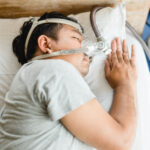
One of the most effective ways to manage sleep apnea—and potentially reduce nighttime urination—is with continuous positive airway pressure (CPAP) therapy. CPAP machines work by delivering a steady stream of air through a mask to keep your airway open during sleep. By preventing the pauses in breathing that characterize obstructive sleep apnea, CPAP therapy helps improve oxygen levels and reduce sleep disruptions.
Many people who use CPAP consistently report fewer nighttime bathroom trips and better overall sleep quality. If you suspect you have sleep apnea or have already been diagnosed but struggle with CPAP, talk to your doctor about adjusting your equipment or settings to improve comfort and compliance.
Medications for Treating Nighttime Urination
Medications could be helpful for people who continue to experience nighttime urination despite making behavioral changes. Medications that doctors may recommend include:
- Bladder relaxants: These are a group of medications that work by increasing the capacity of the bladder while reducing the need to immediately urinate. This medication is not recommended for people who have or may experience cognitive problems like confusion and dementia.
- Antimuscarinic medications: This class of medications works by reducing abnormal muscle contractions of the bladder. They are also known to cause dry mouth, constipation, and drowsiness and are not recommended for people with stomach or heart problems.
- Beta-3 agonists: These drugs are an option reserved for people who are not able to tolerate antimuscarinic medications. They are as effective as antimuscarinic agents and preferred for older adults. However, beta-3 agonists are not recommended for people with severe high blood pressure.
- Vaginal estrogen therapy: A topical estrogen treatment can be used by women who have undergone menopause. This treatment can be used on its own or together with other medications.
- Desmopressin: This medication is reserved for those who have failed other medications for nighttime urination and is not considered a first-line treatment. Desmopressin works in the brain to help the body retain water, thereby reducing the need to urinate.
Managing Nighttime Urination in Children
Managing nighttime urination in children may look different than management for adults given children's differences in age, development, and ability to adequately care for themselves. Nighttime urination and bed wetting management tools include:
- Educating parents: Teaching parents how common bed wetting is can promote optimism. Sharing that most children are eventually cured may reduce parents' guilt, and encourage them not to give punishments for bed wetting.
- Encouraging the child: Children can be encouraged to take actions that may help reduce bed wetting, such as maintaining a journal, keeping a dry bed chart, and learning to change a wet bed.
- Keeping a journal: Maintaining a record of how often and how much a child urinates over the course of at least three or four weeks can help doctors accurately diagnose the condition while assessing the bladder capacity of the child.
- Regulating fluid intake: Limiting the amount of fluid and caffeine a child takes in, especially before bedtime, can help reduce the amount of urine they produce at night. They may need to drink more fluids earlier in the day to make sure they are consuming enough liquids.
- Using a behavioral intervention: Parents can take actions to help reduce the likelihood their child will continue wetting the bed. For example, they may wake the child or carry them to the bathroom prior to the time of night they often bed wet. There are also bladder-stretching and pelvic floor muscle exercises that may help.
- Enuresis alarms: Children wear these devices on their bodies. When they urinate, drops of urine trigger a vibration or alarm that is designed to wake up the child. Experts recommend the alarm should be worn for about three months, until the child stops bed wetting for at least two weeks straight.
- Medication: Desmopressin and imipramine are two medications that have been shown to be effective in treating bed wetting in children. They are typically only used in children who are at least seven years old.
When Should You See a Doctor?
Tell your doctor if you wake up to urinate at night over the course of several days, feel bothered by waking up to urinate, or experience discomfort when you urinate. To help your doctor better understand your situation, consider tracking the amount of liquids you drink and how frequently you urinate.
Although it may not be as widely acknowledged, obstructive sleep apnea is commonly associated with nighttime urination. If you experience other symptoms of OSA like snoring, excessive daytime sleepiness or fatigue, difficulty concentrating, gasping for air while sleeping, morning headaches, or mood changes, mention these symptoms to your doctor as well.
If your doctor suspects you may have OSA in addition to nighttime urination, they will likely recommend a sleep study in a sleep lab or an at-home sleep apnea test. Your doctor may also ask questions or order other tests to look for other health conditions that may trigger the need to urinate.

Written by
Tochukwu Ikpeze, MD, Contributing WriterTochukwu grew up in New York and has a passion for creative and scientific writing. Tochukwu holds an undergraduate degree in Biology and Psychology, a Master’s degree in Biomedical Science, and a Medical Degree as well. In his free time, Tochukwu enjoys reading, learning, exploring various topics pertaining to the human condition and conveying that information to the public through writing.

Reviewed by
Howard J. Hoffman, DDS, Medical ReviewerDr. Howard J. Hoffman is a dentist specializing in dental sleep medicine and the treatment of obstructive sleep apnea and temporomandibular joint (TMJ) disorders. With more than four decades of experience in dentistry and over 25 years focused on sleep apnea treatment, he works with physicians and sleep specialists to help patients manage sleep-disordered breathing using oral appliance therapy.