At a Glance
Obstructive sleep apnea (OSA) is associated with a number of potential health complications, including high blood pressure. However, evidence to date shows only a correlation, not causation, and researchers are still learning about the ways in which OSA may lead to hypertension. Fortunately, evidence suggests that, in addition to improving sleep, treating OSA may help lower blood pressure.
Around 50% of people with OSA also have high blood pressure (hypertension). Studies suggest that the likelihood of having high blood pressure corresponds to the severity of OSA. Additionally, people with untreated OSA are at a greater risk of developing hypertension, even if their blood pressure was normal before being diagnosed with OSA.
Learning more about the connection between obstructive sleep apnea and high blood pressure can help you understand the health issues associated with OSA and how effective treatment for OSA can improve your overall health.
Think You May Have Sleep Apnea? Try an At-Home Test

our partner at sleepdoctor.com
10% off Home Sleep Tests
Buy Now“Truly grateful for this home sleep test. Fair pricing and improved my sleep!”
Dawn G. – Verified Tester

Simple and convenient
- Equipment delivered to your doorstep
- One overnight test in the comfort of your own bed

Uncover sleep apnea
- Quietly collects data while you sleep
- 98% effective in detecting sleep apnea

Affordable & ships fast
- Arrives in 2-4 business days
- In-lab sleep tests cost ~$3,000+ (this one’s $189), HSA/FSA eligible


How Sleep Apnea Causes High Blood Pressure
While further research is needed to determine if OSA causes high blood pressure, experts suggest that there are several ways in which OSA may affect a person’s risk of developing high blood pressure.
OSA is characterized by fragmented sleep from recurrent brief arousals that reinitiate normal breathing. Repetitive partial or complete collapse of the upper airway, is also associated with a decrease in the amount of oxygen in the blood, changes in pressure within the chest, and increased activity in the central nervous system.
These stressors can trigger changes in metabolism, the immune system, and the nervous system. There are multiple mechanisms through which these effects of OSA may lead to elevated blood pressure.
- Inflammation: Inflammation is a normal aspect of how the immune system protects the body, but it can harm the heart and blood vessels if inflammation lasts too long. Recurring drops in oxygen levels and increased central nervous system activation from OSA can contribute to persistent inflammation that may lead to high blood pressure.
- Nighttime blood pressure: Usually, blood pressure naturally dips during sleep. But in people with OSA, blood pressure may not decrease during rest. Missing out on these natural dips in blood pressure may contribute to the risk of hypertension.
- Heart rate changes: During healthy sleep, a person’s heart rate gradually slows as part of the body’s process of rest and recovery. OSA disrupts the normal pattern of heart rate changes during sleep, which may help explain why OSA is linked to various cardiovascular problems.
It’s also important to recognize that blood pressure can be influenced by a wide range of other issues. For example, a person’s diet, age, stress level, family history, hormones, and the condition of the kidneys are just a few things that can impact whether a person develops hypertension.
Central Sleep Apnea and High Blood Pressure
Central sleep apnea (CSA) is another type of sleep apnea. It's much less common than OSA and is caused by an inability of the brain and breathing muscles to properly coordinate breathing. Unlike OSA, there's little evidence showing a clear connection between CSA and high blood pressure.
CSA may have effects on the cardiovascular system, such as increasing the risk of an irregular heartbeat, but the condition is not generally identified as a cause of hypertension.
That said, CSA can impair sleep, and a lack of sleep is associated with a risk of high blood pressure. CSA may also reduce blood oxygen levels and trigger similar physical stresses as OSA on different systems of the body.
At the same time, having high blood pressure can increase the risk of certain conditions, such as stroke and heart failure, that have the potential to cause CSA.
Complications of Sleep Apnea and High Blood Pressure
Without appropriate treatment, OSA and high blood pressure can have serious health consequences.
OSA may cause excessive daytime sleepiness and can heighten the risk of car accidents. Untreated OSA is also linked with cardiovascular problems that are similar to those caused by high blood pressure.
Hypertension puts added stress on the walls of the arteries and can cause harm to the heart and kidneys. When it goes unaddressed, high blood pressure can increase the likelihood of having a stroke, heart attack, kidney failure, and heart disease.
Effect of Sleep Apnea Treatment on Blood Pressure
Treatment of OSA reduces breathing disruptions during sleep, which can not only improve sleep quality but also reduce blood pressure.
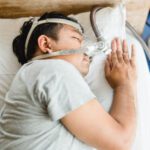
A common treatment for OSA involves using a continuous positive airway pressure (CPAP) device. To use a CPAP, a sleeper wears a mask over their nose or nose and mouth, allowing a constant flow of pressurized air to enter the upper airway to keep it from collapsing during sleep.
Studies have found that using a CPAP regularly can also help lower blood pressure. In people without high blood pressure, CPAP therapy may prevent the development of hypertension.
In addition, effective treatment for OSA with a CPAP machine may offer significant benefits in people with high blood pressure who already take blood pressure medications. In some cases, using a CPAP machine while also taking blood pressure medications may offer the most significant reductions in blood pressure.
These health benefits can be maintained over the long-term as long as people continue to use the CPAP machine. In contrast, blood pressure can go back up within just two weeks if a person with obstructive sleep apnea stops using the CPAP device as directed.
Fewer studies have looked at the effects of other treatments for OSA on hypertension, but there are indications that they may help decrease blood pressure.
For example, oral appliance therapy involves wearing a specially fitted device in the mouth during sleep. The device helps keep a sleeper’s jaw and tongue forward, which limits airway narrowing during sleep. Evidence suggests that, like CPAP, oral appliance therapy can help lower blood pressure.
Less often, OSA may be treated with surgery to allow for better airflow. The most common surgery for OSA realigns the jaw bone with the skull. Other surgical options involve modifying tissue in the nose or throat that can narrow the airway. When medically appropriate, surgery may help address OSA and positively affect blood pressure.


Lifestyle Changes for Sleep Apnea and High Blood Pressure
Depending on the cause of OSA and hypertension, there are lifestyle changes that can help improve breathing during sleep and lower blood pressure, including:
- Sleeping on your side instead of your back on top of a supportive, hybrid mattress
- Maintaining a healthy body weight
- Making time for physical activity on a regular basis
- Eliminating or restricting alcohol consumption at night
- Avoiding sedative medications
- Performing specific mouth exercises to help keep tissue in the mouth and throat from obstructing the airway during sleep
Experts also recommend certain lifestyle habits that can help prevent or manage high blood pressure:
- Getting blood pressure checked at least once per year
- Eating a nutritious diet without too much salt
- Drinking enough water
- Quitting smoking
- Finding ways to minimize stress
- Avoiding significant weight gain
- Being physically active for at least 150 minutes per week
- Addressing underlying health issues, such as diabetes
For both OSA and high blood pressure, lifestyle changes may help, but other kinds of treatment may still be necessary. Your doctor can recommend specific lifestyle changes for you, provide tips for implementing those changes, and address whether other treatments for OSA or hypertension are recommended.
When to Talk to a Doctor
Consult with your doctor if you have concerns about your blood pressure, sleep apnea, or the overall quality of your sleep.
High blood pressure itself rarely causes symptoms, so having your blood pressure checked at least once every year may help identify a problem. You may need to have your blood pressure checked more often if you already have hypertension or if you have risk factors for developing it.
If one or more measurements show elevated blood pressure, make sure to ask your doctor about the most appropriate follow-up plan. They can advise you about how frequently to check your blood pressure, any lifestyle changes that may help, and whether you should consider treatment for high blood pressure.
If you've already been diagnosed with high blood pressure, you may be wondering if you have sleep apnea. You should let your doctor know if you have any of these possible signs of sleep apnea:
- Paused, slowed, or otherwise irregular breathing during sleep
- Sounds of gasping or choking while sleeping
- Frequent snoring that is often very loud
- Excessive drowsiness during the day
- Morning headaches
- Sore throat or dry mouth after waking up
- Multiple episodes of getting up to urinate
Because you may not be aware of your breathing during sleep, you can ask a bed partner or roommate whether they have noticed any of these issues at night.
If you have symptoms of sleep apnea, your doctor can help determine whether any type of testing would be beneficial. One or more specific tests must be performed in order to diagnose sleep apnea.

Written by
Tochukwu Ikpeze, MD, Contributing WriterTochukwu grew up in New York and has a passion for creative and scientific writing. Tochukwu holds an undergraduate degree in Biology and Psychology, a Master’s degree in Biomedical Science, and a Medical Degree as well. In his free time, Tochukwu enjoys reading, learning, exploring various topics pertaining to the human condition and conveying that information to the public through writing.

Reviewed by
Gerard J. Meskill, MD, FAASM, Medical ReviewerDr. Gerard J. Meskill is a neurologist and sleep medicine physician specializing in the diagnosis and treatment of sleep disorders, including narcolepsy, obstructive sleep apnea, and insomnia. He is board-certified in both neurology and sleep medicine and has extensive experience helping patients manage complex sleep conditions and disorders of excessive daytime sleepiness.