At a Glance
Sleep position can influence sleep apnea symptoms because lying on the back may allow the tongue and soft tissues to fall backward and block the airway. Many people experience fewer breathing interruptions when sleeping on their side or with the head slightly elevated.
For people with sleep apnea, sleep position isn’t just about comfort, it can directly affect how severe symptoms become. Sleep apnea causes a person’s breathing to repeatedly pause or become shallow while they sleep. The way you position your body at night can influence how easily air moves through your airway, which in turn affects snoring, oxygen levels, and overall sleep quality.
Understanding how different sleeping positions impact breathing can help you find the posture that supports better rest and more effective treatment.
Best Sleeping Positions for Sleep Apnea
Finding the right position—and combining it with your prescribed sleep apnea treatment—can help improve sleep quality, reduce snoring, and make therapy more effective.
Sleeping on Your Side
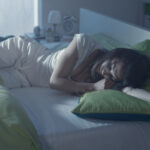
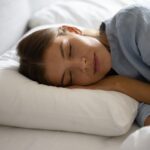
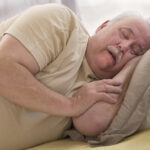
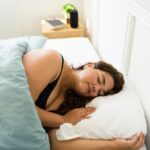
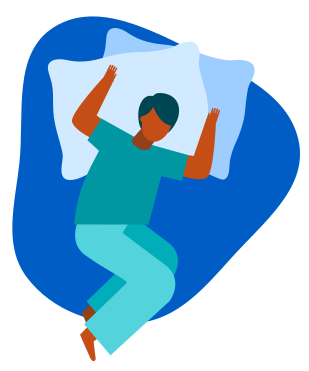
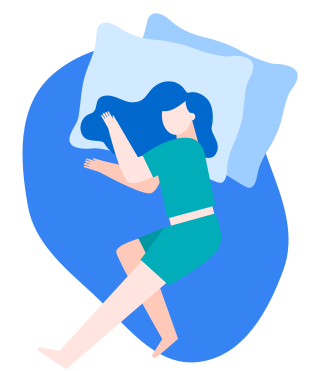
Experts generally recommend side sleeping for people with both of the most common types of sleep apnea: obstructive sleep apnea (OSA) and central sleep apnea (CSA). Sleeping on either side reduces the likelihood that throat tissues will collapse into the airway, so many people see an improvement in their symptoms when they sleep on their sides.
Research suggests that people with moderate to severe OSA experience the fewest obstructive breathing events when they sleep on their right side. This may be because the right side position improves blood flow.
Although sleeping on your left side may be slightly less beneficial than sleeping on your right side, experts still consider it a good position for people with sleep apnea. It may be the best position for some people with co-occurring medical conditions, including:
- Pregnancy
- Gastroesophageal reflux disease (GERD)
- Aerophagia, or the tendency to swallow air during positive airway pressure (PAP) therapy
Sleeping With Head Elevated
Sleeping with your head slightly elevated can help reduce sleep apnea symptoms for some people. Elevating the head of the bed or using an adjustable base or wedge pillow helps prevent the tongue and soft tissues from collapsing into the airway during sleep. This position may also reduce snoring and improve airflow, especially for people who experience sleep apnea primarily while lying on their back.
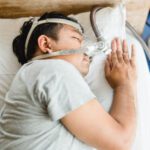
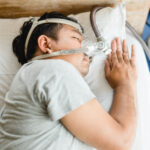
People who use CPAP therapy may also find that elevating the head can improve comfort and reduce mask leaks by keeping the airway more stable. However, the degree of elevation matters, and raising the head too much can strain the neck or cause discomfort. For best results, aim for a gentle incline of around 20 to 30 degrees or use a pillow designed for sleep apnea or CPAP users.
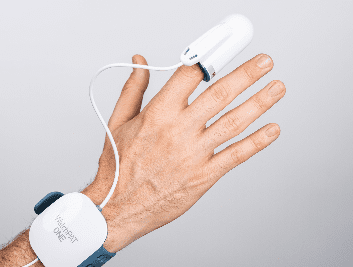
Think You May Have Sleep Apnea? Try an At-Home Test
our partner at sleepdoctor.com
Save 10% + FREE 2-Day Shipping
Add to Cart“Truly grateful for this home sleep test. Fair pricing and improved my sleep!”
Dawn G. – Verified Tester

Simple and convenient
- Equipment delivered to your doorstep
- One overnight test in the comfort of your own bed

Uncover sleep apnea
- Quietly collects data while you sleep
- 98% effective in detecting sleep apnea

Affordable & ships fast
- Arrives in 2-4 business days
- In-lab sleep tests cost ~$3,000+ (this one’s $189), HSA/FSA eligible


Sleeping Positions to Avoid With Sleep Apnea
While some sleeping positions can make it easier to breathe, others can make sleep apnea symptoms worse. Certain positions cause the tongue and soft tissues in the throat to fall backward, narrowing or blocking the airway.
Sleeping on Your Back
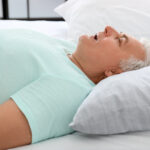
In most cases, people with sleep apnea should avoid sleeping on their backs. This position is generally considered the worst for sleep apnea because it allows the tongue to slide backward and into the throat. Back sleeping also encourages snoring.
If you must sleep on your back, you might also try elevating the head of your bed (see above). This technique appears to reduce the severity of OSA in people who sleep on their backs.
Sleeping on Your Stomach
Although some studies suggest that stomach sleeping may reduce sleep apnea symptoms in certain individuals, this position isn’t ideal for everyone. Sleeping face-down can place strain on the neck and spine and may be uncomfortable to maintain throughout the night.
It also tends to cause problems for people using PAP therapy, since the pressure from lying on the mask can lead to air leaks or dislodgement. For most people, other positions, such as side sleeping or sleeping with the head slightly elevated, are more comfortable and consistent with effective treatment.
Other Sleep Tips for Improving Sleep Apnea
If you’ve been diagnosed with sleep apnea, you may wonder what steps you can take to improve your symptoms. Many people with OSA are prescribed PAP therapy, which is highly effective for the majority of people. But there are several home remedies that may enhance the benefits of PAP therapy or help people who are unable to tolerate CPAP.
Any home remedy should be in consultation with your doctor to confirm efficacy and reduce the risk of long-term health repercussions from untreated sleep apnea.
- Try positional therapy: If you sleep on your back, consider training yourself to sleep on your side. Numerous products have been created to help with this change, including vests and belts that place an obstruction on the back and wearable devices that vibrate when you roll onto your back.
- Invest in new bedding: Sleeping in a new position may change your pillow and mattress preferences. You may find it easier to sleep with a pillow designed for side sleeping. Additionally, the best mattress for sleep apnea should promote side sleeping, meaning they'll generally be softer than mattresses for back sleepers to reduce pressure points and help avoid tossing and turning.
- Make diet and lifestyle changes: If you have OSA and are also overweight or obese, improving your diet and exercising regularly may reduce your sleep apnea symptoms. Even if you don’t lose weight, exercise might limit the number of breathing events you experience at night and improve your overall sleep health.

Still have questions?
Sleep apnea products can be confusing. If you need individualized assistance, post your question to the Sleep Doctor forum.

Written by
Lucy Bryan, Contributing WriterLucy Bryan is a writer and editor with more than a decade of experience in higher education. She holds a BA in journalism from the University of North Carolina at Chapel Hill and an MFA in creative writing from Penn State University. In addition to writing in the domain of public health, she’s also a fiction and nonfiction writer whose first book, In Between Places: A Memoir in Essays, debuted in June 2022.

Reviewed by
Gerard J. Meskill, MD, FAASM, Medical ReviewerDr. Gerard J. Meskill is a neurologist and sleep medicine physician specializing in the diagnosis and treatment of sleep disorders, including narcolepsy, obstructive sleep apnea, and insomnia. He is board-certified in both neurology and sleep medicine and has extensive experience helping patients manage complex sleep conditions and disorders of excessive daytime sleepiness.