At a Glance
Alcohol can worsen sleep apnea by relaxing the muscles in the throat, which narrows the airway and increases the likelihood of snoring and breathing interruptions during sleep. Because alcohol can make apnea events more frequent and severe, experts often recommend avoiding drinking if you have sleep apnea, especially in the hours before bedtime.
Alcohol may make you feel sleepy, but it can actually worsen sleep quality, especially for people with sleep apnea. By relaxing the muscles in the throat, alcohol can narrow the airway, increase snoring, and trigger more frequent breathing disruptions during sleep. These effects can make sleep apnea symptoms more severe and reduce the effectiveness of treatment.
Understanding how alcohol impacts sleep apnea can help you make informed choices that support better breathing, deeper rest, and overall health.
Can Alcohol Cause Sleep Apnea?
While research clearly shows that alcohol can worsen sleep apnea symptoms, it’s less certain whether alcohol directly causes the condition itself.
Obstructive sleep apnea (OSA) — the most common type of sleep apnea — occurs when the airway becomes partially or completely blocked during sleep. For people who already have OSA, drinking alcohol can make symptoms more frequent and severe.
Current evidence shows a strong correlation between alcohol use and OSA severity, but not definitive proof that alcohol alone causes the disorder. However, regular drinking may raise the risk of developing OSA by contributing to weight gain, muscle relaxation, and reduced airway tone — all factors that influence breathing during sleep.
Alcohol can also aggravate central sleep apnea (CSA), a less common type caused by disrupted communication between the brain and the breathing muscles. Because alcohol suppresses the central nervous system, it may make CSA episodes more frequent or severe.
Think You May Have Sleep Apnea? Try an At-Home Test

our partner at sleepdoctor.com
10% off Home Sleep Tests
Buy Now“Truly grateful for this home sleep test. Fair pricing and improved my sleep!”
Dawn G. – Verified Tester

Simple and convenient
- Equipment delivered to your doorstep
- One overnight test in the comfort of your own bed

Uncover sleep apnea
- Quietly collects data while you sleep
- 98% effective in detecting sleep apnea

Affordable & ships fast
- Arrives in 2-4 business days
- In-lab sleep tests cost ~$3,000+ (this one’s $189), HSA/FSA eligible


How Alcohol Affects Sleep Apnea
Alcohol impacts the body in several ways that can make both obstructive and central sleep apnea symptoms more severe. Its muscle-relaxing and sedative effects can interfere with normal breathing patterns, prolong breathing pauses, and reduce oxygen levels during sleep.
Obstructive Sleep Apnea
For people with obstructive sleep apnea, alcohol can make nighttime breathing issues significantly worse.
- Reduced muscle tone: Alcohol relaxes the muscles of the throat, which can lead to longer breathing pauses and lower oxygen levels.
- Difficulty awakening: Normally, the body briefly awakens to reopen the airway when breathing is obstructed. After drinking alcohol, this reflex is delayed, which means breathing disruptions may last longer.
- Nasal blockage: Alcohol can cause changes in blood flow that lead to nasal inflammation or congestion, making it harder to breathe through the nose and increasing mouth breathing and snoring.
- Weight gain: Regular alcohol intake can contribute to weight gain, which is associated with narrowing of the airway and OSA.
Central Sleep Apnea
Central sleep apnea occurs when the brain temporarily stops sending signals to the muscles that control breathing. Because alcohol is a central nervous system depressant, it can reduce the brain’s drive to breathe and disrupt communication between the brain and respiratory muscles. This can make CSA episodes more frequent or severe, especially in people who already have the condition or use alcohol close to bedtime.
How Alcohol Affects CPAP Therapy
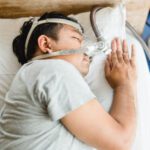
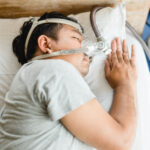
Alcohol can also interfere with the effectiveness of continuous positive airway pressure (CPAP) therapy, the most common treatment for obstructive sleep apnea. Because alcohol relaxes the muscles in the throat, it can cause the airway to collapse more easily, requiring higher pressure settings to keep it open.
Drinking before bed may also make it harder to tolerate CPAP. Alcohol can increase mouth breathing, mask leaks, and nasal congestion, all of which reduce the therapy’s effectiveness.
How Alcohol Affects Other Sleep Problems
Alcohol doesn’t just worsen sleep apnea, it can also affect several other sleep-related conditions. Its sedative effects may initially make falling asleep easier, but alcohol ultimately disrupts sleep cycles, weakens airway control, and interferes with normal breathing and brain activity during sleep.
Snoring
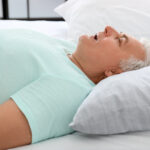
Alcohol relaxes the muscles in the throat and tongue, which can narrow the airway and cause vibrations that lead to snoring. Snoring often becomes louder and more frequent after drinking, especially when alcohol is consumed close to bedtime. Even people who don’t normally snore may do so after drinking due to increased upper airway relaxation.
Hypoventilation
In people with obesity hypoventilation syndrome (OHS) or other breathing difficulties, alcohol can further slow breathing and reduce oxygen levels during sleep. As a central nervous system depressant, alcohol dulls the body’s normal response to rising carbon dioxide levels, increasing the risk of low oxygen and elevated carbon dioxide throughout the night.
Other Sleep-Related Breathing Disorders
Beyond obstructive and central sleep apnea, alcohol can worsen upper airway resistance syndrome (UARS) and other breathing-related sleep issues. By relaxing airway muscles and altering neuromuscular control, alcohol may increase the effort needed to breathe, resulting in fragmented sleep, frequent awakenings, and daytime fatigue.
Insomnia
While alcohol may help some people fall asleep faster, it disrupts normal sleep architecture, reducing restorative REM sleep and causing more frequent awakenings later in the night. Over time, this can contribute to chronic insomnia or make existing insomnia harder to treat. People who use alcohol as a sleep aid often experience rebound wakefulness once its sedative effects wear off.
Circadian Rhythm
Alcohol can interfere with the body’s internal clock, or circadian rhythm, which regulates sleep timing. Drinking late in the evening delays melatonin release and shifts the natural sleep-wake cycle, making it harder to fall asleep or wake up at consistent times. Chronic alcohol use can lead to irregular sleep schedules and poorer overall sleep quality.
Tips for People With Sleep Apnea
If you have sleep apnea, certain steps may help avoid the impacts of alcohol on your breathing during sleep.
- Eliminate evening alcohol intake: The most sure-fire way to avoid harmful effects of alcohol on sleep apnea is to completely avoid alcohol in the hours before bed.
- Drink in moderation: Drinking less may reduce the impacts on your sleep.
- Be consistent about sleep apnea treatment: Treatment for OSA, such as with a CPAP machine, can dramatically improve your sleep, reduce disturbances in breathing, and decrease the risks of health complications from OSA.
- Talk to your doctor: Consult with your doctor about an appropriate level of alcohol consumption, especially if you have continuing or worsening symptoms of sleep apnea. Your doctor can provide helpful tips to enhance your sleep and discuss options for sleep apnea treatment.
When to See a Doctor
If you notice that alcohol regularly disrupts your sleep or worsens your sleep apnea symptoms, it’s a good idea to talk to your doctor or a sleep specialist. Persistent snoring, gasping for air, daytime sleepiness, or morning headaches may indicate untreated or worsening sleep apnea.
You should also seek medical guidance if you experience shortness of breath, chronic fatigue, or if your CPAP therapy seems less effective after drinking. Your doctor can review your symptoms, adjust your treatment plan if needed, and recommend safe strategies for alcohol use and sleep health.
If you suspect you may have sleep apnea but haven’t been diagnosed, your doctor can order a sleep study to confirm the condition and help you find the most effective treatment.

Still have questions?
Sleep apnea products can be confusing. If you need individualized assistance, post your question to the Sleep Doctor forum.

Written by
Eric Suni, Contributing WriterEric Suni is a health and science writer who covers sleep apnea, CPAP therapy, and sleep health for SleepApnea.org. He has more than a decade of experience translating complex medical research into clear, accessible information that helps readers better understand their health and treatment options.

Reviewed by
Gerard J. Meskill, MD, FAASM, Medical ReviewerDr. Gerard J. Meskill is a neurologist and sleep medicine physician specializing in the diagnosis and treatment of sleep disorders, including narcolepsy, obstructive sleep apnea, and insomnia. He is board-certified in both neurology and sleep medicine and has extensive experience helping patients manage complex sleep conditions and disorders of excessive daytime sleepiness.