

At a Glance
Snoring occurs when airflow through the nose or throat becomes partially blocked during sleep, causing surrounding tissues to vibrate. Reducing snoring often involves addressing underlying causes — such as nasal congestion, sleep position, alcohol use, or excess weight — and, in some cases, treating conditions like obstructive sleep apnea.
If you or someone you know snores, you’re not alone. It's estimated that more than one-third of adults between the ages of 30 and 60 snore habitually. Snoring can happen by itself and may not be a reason for concern, but it may be bothersome for bed partners or other people in the household.
Common causes of snoring include nasal congestion, inflammation, poor upper airway muscle tone, and narrowed facial bone structure. Snoring can also be related to a medical disorder, such as obstructive sleep apnea (OSA) or a hormone imbalance.
A number of strategies are available for people who want to stop snoring, including changing certain sleep or lifestyle habits and, when needed, medical care to help identify and treat an underlying condition.
Snoring? Get Tested for Sleep Apnea

our partner at sleepdoctor.com
10% off Home Sleep Tests
Buy Now“Truly grateful for this home sleep test. Fair pricing and improved my sleep!”
Dawn G. – Verified Tester

Simple and convenient
- Equipment delivered to your doorstep
- One overnight test in the comfort of your own bed

Uncover sleep apnea
- Quietly collects data while you sleep
- 98% effective in detecting sleep apnea

Affordable & ships fast
- Arrives in 2-4 business days
- In-lab sleep tests cost ~$3,000+ (this one’s $189), HSA/FSA eligible


Sleep Changes
Your nighttime habits and sleeping environment can play a major role in how much you snore. Adjustments like changing your sleep position, elevating your head, or creating a more consistent bedtime routine can help keep the airway open and reduce nighttime noise.
Sleep on Your Side
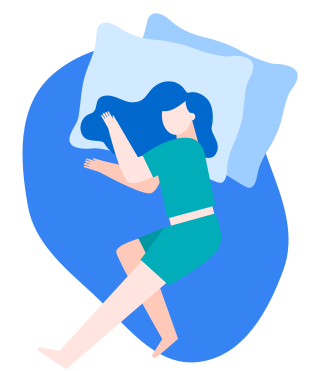
Sleeping on your back can increase risk of snoring or sleep apnea. When lying on your back, gravity pulls down on tissues around your throat, making them more likely to block your airway. To avoid this and reduce the chances of snoring, try to sleep on your side.
Different approaches, such as using a supportive pillow or positional therapy apparatus, may help if you are not used to sleeping on your side.
Elevate Your Head
Sometimes you can lower the intensity of snoring by changing the position of your head and neck while sleeping. It's typically best to avoid a chin-to-chest position, which constricts the airway. Instead, try to lift your chin and extend your neck. This should involve support for your head and the groove in the back of your neck.
The right mattress and bed frame can help. An adjustable bed — with an adjustable bed mattress — that lets you raise the top portion or a head-positioning, anti-snoring pillow that has special contours may help. You can also try rolling up a towel and placing it at the base of your pillow to get more support for this head placement.
If you have a neck or spine injury, make sure to talk with a doctor before trying to adjust your head positioning during sleep.
Get Enough Quality Sleep
Not getting enough sleep can increase the likelihood of snoring. When you’re overtired, the muscles in your throat relax more deeply during sleep, which can narrow the airway and make snoring louder or more frequent.
Prioritizing consistent, high-quality sleep by keeping a regular sleep schedule, creating a calming bedtime routine, and limiting screen time before bed helps keep the airway more stable throughout the night. Over time, better sleep habits can reduce snoring and improve your overall sleep health.
Lifestyle Changes
Because snoring often stems from factors like weight, alcohol use, sleep position, or nasal congestion, targeting these underlying triggers with simple adjustments to daily habits can help prevent snoring.
Try Mouth and Throat Exercises
Exercise strengthens muscles in the body, and specific exercises may tone the muscles in your mouth and throat to help keep them from obstructing your airway during sleep. Studies suggest that this may reduce the intensity of snoring.
Examples of things that can help exercise your mouth and throat muscles include singing or playing the didgeridoo, an Indigenous Australian musical instrument. You can also ask your doctor or dentist for a referral to a specialist who can introduce a series of specific exercises (myofunctional therapy) intended to strengthen the muscles around your airway.
Limit Alcohol and Sedatives
Drinking alcohol and taking sedatives have been linked to snoring. It's believed that alcohol and sedatives temporarily reduce muscle tone of the tongue and other muscles around the upper airway. As these muscles relax and slacken during sleep, they reduce the diameter of the upper airway and are more prone to block air and vibrate, creating snoring sounds when you breathe.
As a result, limiting or eliminating both alcohol and medicines that make you drowsy in the hours before bedtime may help reduce snoring.
Maintain a Healthy Weight
Maintaining a healthy weight can help reduce the amount of tissue in the neck that can narrow the airway and contribute to snoring. Steps that can help maintain a healthy weight include:
- Getting physical activity or exercise on a regular basis
- Eating a balanced diet
- Trying to limit stress
- Getting plenty of quality sleep each night
Achieving and maintaining a healthy weight is often challenging, and it may be helpful to talk with your doctor or a registered dietician for tailored advice. Many individuals and organizations can also provide support in establishing healthy diet and exercise habits.
Address Nasal Congestion
One treatment for frequent snoring is to try to reduce nasal congestion. Nasal congestion can arise for various reasons, such as viral infections, and play a role in snoring.
Different types of medications and nasal sprays may be able to alleviate a stuffed-up nose. Medicines that alleviate inflamed nasal passages, such as nasal sprays, may cause a short-term decrease in inflammation that contributes to snoring. However, it is not recommended to use a nasal decongestant spray for more than two or three days because too much of it can actually cause more nasal congestion.
Treat Allergies
Particles in the air such as dust, pollen, and mold spores are common triggers of allergies. Allergies can cause nasal inflammation and nasal congestion, which in turn increase snoring.
By treating seasonal allergies, you may also be able to treat snoring. Nasal sprays and other prescription or over-the-counter drugs are potential treatment options for allergies that affect the nose. In addition, as a preventive measure, you can try to avoid allergens by wearing a face mask when outside and keeping windows closed during allergy season.
Your doctor or an allergist can offer more specific recommendations for reducing congestion related to allergies.
Stop Smoking
Smoking has been associated with an increased likelihood of habitual snoring. This may be related to nasal irritation and congestion from breathing in cigarette smoke, which can also affect people who are exposed to secondhand smoke.
Anti-Snoring Devices
For people whose snoring persists despite lifestyle or sleep habit changes, over-the-counter or prescription anti-snoring devices may offer additional relief.
Nasal Strips and Dilators
Inflamed or blocked nasal passages and sinuses are potential causes of snoring, so taking steps to reduce congestion may help reduce snoring.
Nasal strips and dilators can help open your nasal passages. These are stiff adhesive bandages and devices that go on the bridge of your nose and may help keep the upper part of your nostrils open. Nasal strips are only worn externally, while nasal dilators come in both external and internal forms.
Anti-Snoring Mouthpieces
If other therapies don't resolve snoring, then another option is an anti-snoring mouthpiece. These devices, sometimes called mouthguards or oral appliances, are worn during sleep and are designed to reposition the lower jaw, back of the mouth, or tongue so that they do not block the airway. In this way, the mouthpiece reduces the chances of snoring.
There are different kinds of anti-snoring mouthpieces. It's important to find the right type and size of mouthpiece, so consider consulting with a dentist about the kind that will provide the best fit and be the most likely to reduce your snoring.

Medical Treatments
If sleep habits and lifestyle changes don't get rid of snoring, then medical treatment may be needed for snoring that disrupts sleep and quality of life.
A doctor can assess your situation and discuss the pros and cons of different treatments for habitual snoring. Depending on the causes of snoring, there are several types of medical approaches that may be beneficial.
CPAP Therapy
Continuous positive airway pressure (CPAP) therapy is one of the most effective medical treatments for snoring caused by obstructive sleep apnea. A CPAP machine delivers a steady stream of pressurized air through a mask worn during sleep, preventing the airway from collapsing and significantly reducing or eliminating snoring. Many people notice improvement right away, especially if their snoring is related to nighttime breathing disruptions.
Because CPAP requires a prescription and proper mask fitting, it’s important to work with a sleep specialist to determine whether this therapy is appropriate for your symptoms. In general, CPAP isn't used to treat snoring alone.
Electrical Stimulation Device
In 2021, the FDA approved eXciteOSA, a mouthpiece that sits around the tongue and delivers electrical stimulation. The device is used while awake for 20 minutes a day for six weeks and then once a week after that. The goal of the device is to strengthen the tongue muscle so that it is less likely to draw back into your airway when you’re asleep.
Surgery for Snoring
When other therapies don't stop snoring, medical procedures may be an option if snoring is related to anatomical features of the nose, mouth, or throat that restrict airflow when breathing.
For example, a procedure called somnoplasty uses radiofrequency energy to shrink the volume of the area at the back of the roof of the mouth known as the soft palate. This medical procedure is considered safe and minimally invasive, but the results may not be long-lasting.
Other types of surgical operations may be possible to remove growths in the nose, known as nasal polyps, or other tissues that can exacerbate airway resistance and snoring.
Testing for Sleep Apnea
Snoring is a common symptom of obstructive sleep apnea, a disorder where breathing is repetitively disrupted during sleep. While snoring doesn’t necessarily mean OSA, habitual snoring can be related to OSA.
You should talk with your doctor if you or a bed partner notice any of the following symptoms in addition to habitual snoring:
- Loud, frequent snoring
- Significant daytime sleepiness
- Gasping or choking sounds during sleep
- Frequent morning headaches
- High blood pressure
Your doctor can determine whether to recommend a sleep study, which can be used to diagnose sleep apnea. Treatments for OSA, such as CPAP therapy, nerve stimulator devices, and ENT procedures, are usually also effective for treating snoring.
Frequently Asked Questions
Mouth taping may reduce snoring for people who primarily snore through the mouth, but it’s not recommended for everyone and can be unsafe for people with nasal obstruction or untreated sleep apnea.
Because mouth breathing can sometimes compensate for blocked nasal passages, taping the mouth shut may worsen breathing problems for some individuals. It’s best to talk with a doctor before trying mouth tape, especially if you suspect you may have sleep apnea.
Snoring isn't always sleep apnea, but loud, frequent snoring is one of the most common symptoms of obstructive sleep apnea. Other signs, such as gasping or choking during sleep, daytime sleepiness, morning headaches, or witnessed breathing pauses, make sleep apnea more likely. If you have persistent snoring along with any of these symptoms, a sleep study can help determine whether OSA is the cause.
A humidifier can help reduce snoring for some people by adding moisture to the air and easing dryness or congestion in the nose and throat. Dry air can irritate the airway and make snoring worse, especially in winter or in naturally dry climates. While a humidifier isn’t a cure for snoring, it may offer noticeable relief when dryness or mild congestion is contributing to the problem.

Written by
Martinique Edwards, Contributing WriterMartinique writes content focused on sleep health, science, and trends. She graduated from the University of Georgia with a bachelor’s degree in Ecology and master’s degree in Environmental Health and has research experience in environmental microbiology and aquatic science. Martinique loves to view the world through an ecological lens, where everything is interconnected. In her free time, she enjoys outdoor activities such as running and parkour.

Reviewed by
Gerard J. Meskill, MD, FAASM, Medical ReviewerDr. Gerard J. Meskill is a neurologist and sleep medicine physician specializing in the diagnosis and treatment of sleep disorders, including narcolepsy, obstructive sleep apnea, and insomnia. He is board-certified in both neurology and sleep medicine and has extensive experience helping patients manage complex sleep conditions and disorders of excessive daytime sleepiness.


