

Nasal strips are a popular option for sleepers prone to snoring. These noninvasive strips are designed to adhere to the outside of the nose, gently lifting to widen the nasal passageways and allow more airflow.
If you’re looking for a way to stop snoring, trying nasal strips can be an easy and cost-effective place to start. Below, we’ll detail our picks for the best nasal strip options, who they may be well suited for, and what to consider before making a purchase.
Our Top Picks


Best Overall
Intake Starter Kit

Ideal For
- Individuals with sensitive skin
- Hot sleepers
- Those who prioritize medical-grade materials
Who Should Keep Looking
- Shoppers with a limited budget
- Individuals with metal implants near their facial area
-
Price
$60
The Intake Starter Kit uses a two-part nasal dilator system designed to improve airflow for sleepers. Gentle adhesive tabs with a small, built-in steel disk adhere to both sides of the nose. Once the adhesive is secure, a magnetic band goes over the top, lifting the tabs to hold the nostrils open.
Each set comes with four band sizes to help sleepers find the best fit. The set also includes 15 tabs and a magnetic applicator to secure the tabs. The Intake Starter Kit is comfortable for sensitive skin, and uses medical-grade materials designed to wick away sweat. You have the option of including a travel case with your purchase, or forgoing this item and reducing your purchase price.
Use this SleepApnea.org link for the most current discount on Intake products
Shop NowBest for Sensitive Skin
Breathe Right Nasal Strips
Ideal For
- Sleepers new to using nasal strips
- Budget-conscious shoppers
- Individuals prone to nasal congestion
Who Should Keep Looking
- Sleepers who tend to sweat a lot
- Those sensitive to adhesive residue
-
Price
$17
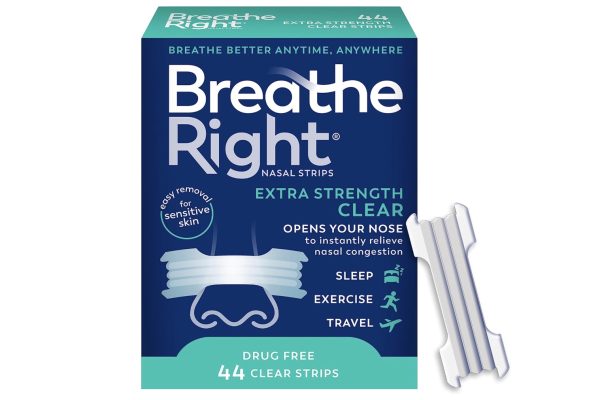
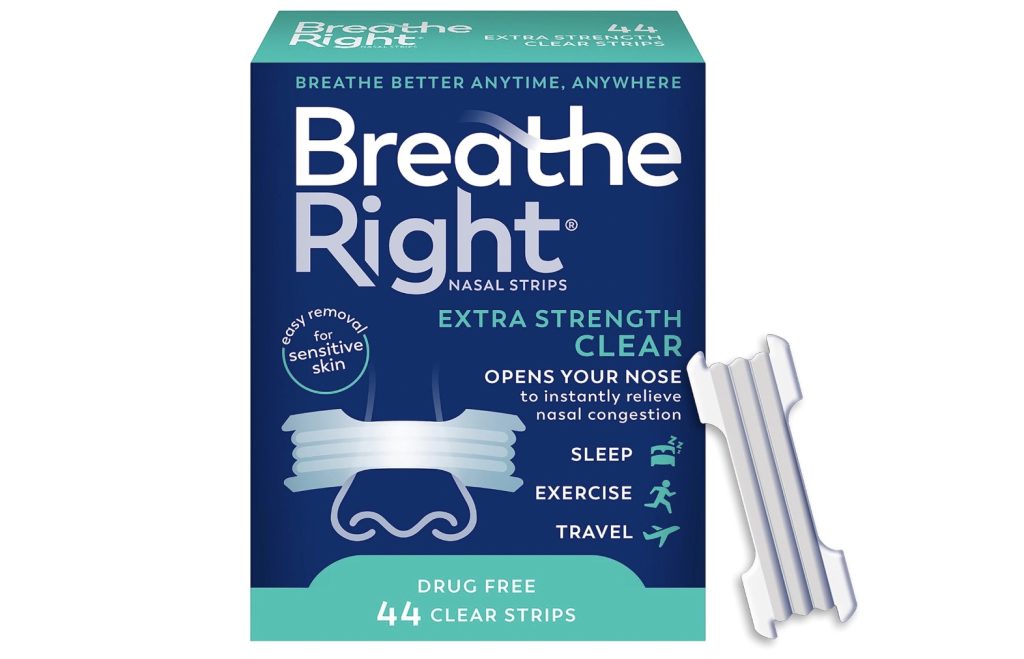
Nasal strips often use strong adhesive, which can be irritating for sleepers with sensitive skin. Breathe Right Nasal Strips were developed with these people in mind. They’re designed to be hypoallergenic, flexible, and non-porous to limit irritation with added strength to open the nose more effectively.
While engineered for easy removal, they’re also designed to stay put while in use. In addition to sleep, Breathe Right built these nasal strips to be suitable for exercise, travel, or work.
Use this SleepApnea.org link for the most current discount on Breathe Right products
Shop NowBest Extra-Strength
InstaClear Nasal Strips
Ideal For
- Sleepers who prefer a nasal strip built for a longer hold
- Those who may also wear a nasal strip during the day
- Budget-conscious shoppers
Who Should Keep Looking
- Individuals with skin that tears easily
- People with oily skin
-
Price
$16
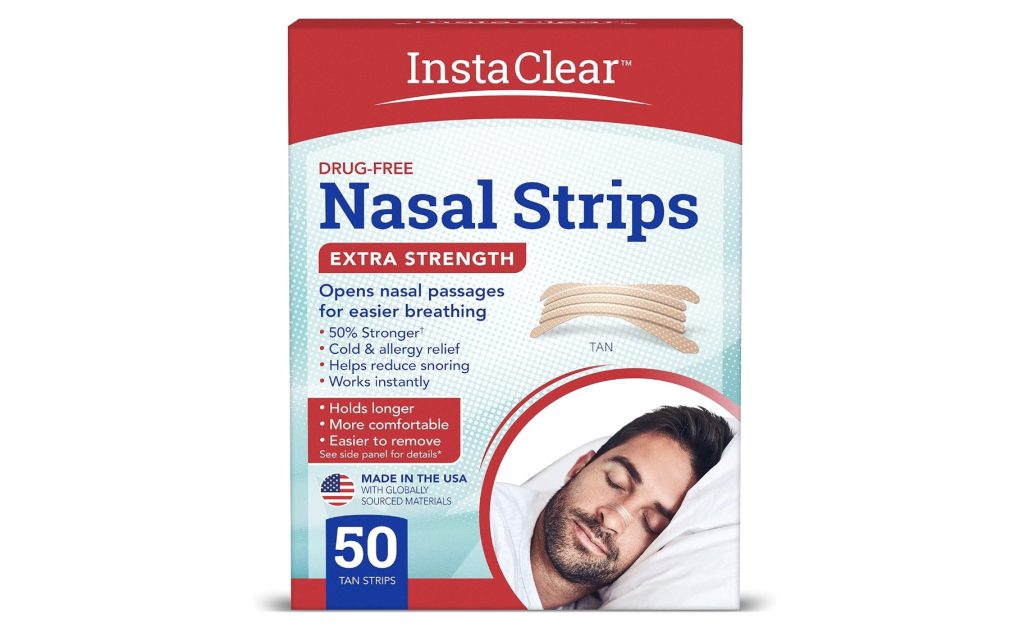
Designed for exceptional strength, the InstaClear Nasal Strips are a good match for sleepers looking for wider nasal dilation. These nasal strips are built for both sleeping and daytime use, including exercise.
Since they’re also engineered for extra hold, the strips are ideal for active sleepers and anyone who has struggled to keep their nasal strip in place through the night. Despite their strength and adhesion, the InstaClear Nasal Strips are also intended to be easy to remove with warm water – though those with sensitive skin may want to consider a gentler strip.
Use this SleepApnea.org link for the most current discount on InstaClear products
Shop NowHow Do Nasal Strips Work?
Snoring strips work by gently pulling open the nostrils from the outside, allowing more air to pass through the nasal passages during sleep or exercise.
Each strip typically contains a flexible, spring-like band with adhesive backing. When applied across the bridge of the nose, the band straightens and lifts the area around your nostrils to gently expand the nasal valves (the narrowest part of the airway inside the nose). This widening can help reduce resistance and make breathing through the nose easier.
However, nasal strips don’t treat the underlying causes of congestion, such as allergies or sinus infections.
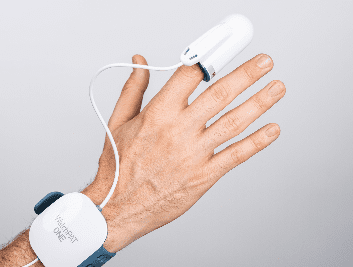
Think You May Have Sleep Apnea? Try an At-Home Test
our partner at sleepdoctor.com
Save 10% + FREE 2-Day Shipping
Add to Cart“Truly grateful for this home sleep test. Fair pricing and improved my sleep!”
Dawn G. – Verified Tester

Simple and convenient
- Equipment delivered to your doorstep
- One overnight test in the comfort of your own bed

Uncover sleep apnea
- Quietly collects data while you sleep
- 98% effective in detecting sleep apnea

Affordable & ships fast
- Arrives in 2-4 business days
- In-lab sleep tests cost ~$3,000+ (this one’s $189), HSA/FSA eligible


What to Look for in a Nasal Strip
Finding the right nasal strip depends on your personal needs and preferences. Consider the following criteria when choosing a product:
Materials
Nasal strips are typically made from plastic or fabric with a built-in adhesive. Fabric strips are generally softer and more flexible, making them a good choice for people with sensitive skin. Plastic strips are usually more rigid and provide more lift.
Strength and Adhesion
Standard-strength strips are suitable for mild snoring or congestion, while extra-strength options provide greater support for stubborn nasal blockages. Pay attention to user reviews and product labels to see how secure and long-lasting the adhesive is, especially if you have oily skin or move a lot during sleep.
Style and Fit
Nasal strips come in various styles. Some are designed to fit across the bridge of the nose, while others align more with the nostrils. Look for a style that fits your nose size and shape comfortably without slipping or peeling off during the night.
Size Options
Most nasal strips come in multiple sizes, and choosing the right size is crucial for creating an effective seal. Smaller sizes may be more comfortable for narrower noses, while larger sizes offer more support for wider nasal passages.
Aesthetics
If you plan to wear nasal strips during the day or while exercising, you might prefer a low-profile or transparent design. Clear or flesh-toned strips are less noticeable than white or patterned ones, which can matter to people who want to use strips for daytime use.
Quantity and Value
Nasal strips are usually sold in packs that contain anywhere from a few strips to several dozen. If you plan to use them nightly, buying in bulk can reduce your overall cost. Look for value packs or subscription options if you use nasal strips regularly.
How to Use Nasal Strips
To properly use nasal strips, always follow the manufacturer’s instructions. Most are single-use and designed to be worn just before an activity you want to improve airflow for, such as sleep or exercise. Instructions may vary, but general steps include:
- Wash and drying your face.
- Peel off the strip backing.
- Place the strip directly above where the nostrils flare.
- When it's time to remove the strip, gently peel it off and discard it.
Who Should Not Use Nasal Strips
While nasal strips are helpful for many snorers, they’re not suitable for everyone, including:
- People with sleep apnea
- Those with severe nasal obstruction or chronic allergies
- Individuals with facial structure issues (e.g., deviated septum)
- Anyone with recent nasal surgery or injury
- People with sensitive skin or adhesives allergies
- Sleepers whose snoring originates from the throat or soft palate
It’s important to consult a doctor before using nasal strips if you have any underlying health concerns. Some people may need more advanced treatments, especially if snoring is caused by facial structure issues, severe congestion, or sleep disorders like obstructive sleep apnea (OSA).
Other Ways to Reduce Snoring
Nasal strips are just one among many options to help sleepers stop snoring. There are a number of sleep habits and lifestyle changes that can reduce snoring. Anti-snoring devices may also be effective.
Sleeping on Your Side
Some snorers find relief by sleeping on their sides instead of their backs because the soft tissue is less likely to obstruct the airway in the side position. Elevating your head overnight with either a thick pillow or an adjustable bed can have a similar effect.
Lifestyle Changes
If changing sleep habits doesn’t improve the situation, some sleepers may try more significant lifestyle changes, such as losing weight, quitting smoking, or avoiding alcohol before bed.
Other Anti-Snoring Devices
Other anti-snoring devices can also help. Anti-snoring mouthpieces, nasal dilators, mouth tape, and EPAP nasal devices are all designed to reduce or eliminate snoring. These solutions reduce snoring in different ways, such as adjusting jaw position, widening the nasal passages, encouraging nasal breathing, or creating gentle pressure during exhalation.
Treating an Underlying Condition
In cases where snoring is caused by an underlying medical condition, such as sleep apnea or allergies, medical treatment from a qualified doctor is essential.
Medical Disclaimer: This content is for informational purposes and does not constitute medical advice. Please consult a health care provider prior to starting a new treatment or making changes to your treatment plan.

Still have questions?
Sleep apnea products can be confusing. If you need individualized assistance, post your question to the Sleep Doctor forum.

Written by
Danielle Pacheco, Contributing WriterDanielle is originally from Vancouver, BC, where she has spent many hours staring at her ceiling trying to fall asleep. She channels her frustration into researching sleep solutions and sharing insights with fellow insomniacs. Danielle spends her downtime trying out new recipes and working off the calories on the soccer field. Danielle studied the science of sleep with a degree in psychology at the University of British Columbia.


