At a Glance
Sleep deprivation occurs when you don’t get enough sleep or your sleep quality is poor, leaving your body without the rest it needs to function properly. Chronic sleep loss can cause daytime fatigue, trouble concentrating, mood changes, and may increase the risk of health problems such as heart disease, diabetes, and weakened immunity.
Sleep deprivation occurs when a person doesn’t get enough quality sleep, which can happen after not sleeping for enough hours or not sleeping soundly enough. And according to the Centers for Disease Control and Prevention (CDC), more than one-third of American adults don’t get enough sleep.
Sleep disorders like sleep apnea can further interfere with normal sleep cycles, leading to fragmented, non-restorative sleep. Below, we’ll explore the common causes and symptoms of sleep deprivation and outline strategies that may help improve sleep quality.
Think You May Have Sleep Apnea? Try an At-Home Test

our partner at sleepdoctor.com
10% off Home Sleep Tests
Buy Now“Truly grateful for this home sleep test. Fair pricing and improved my sleep!”
Dawn G. – Verified Tester

Simple and convenient
- Equipment delivered to your doorstep
- One overnight test in the comfort of your own bed

Uncover sleep apnea
- Quietly collects data while you sleep
- 98% effective in detecting sleep apnea

Affordable & ships fast
- Arrives in 2-4 business days
- In-lab sleep tests cost ~$3,000+ (this one’s $189), HSA/FSA eligible


Sleep Deprivation Symptoms
Sleep deprivation can affect nearly every system in the body, and its symptoms often appear gradually, making them easy to overlook. The most immediate signs include:
- Excessive daytime sleepiness
- Difficulty concentrating
- Slowed thinking
- Trouble remembering information
People may notice they make more mistakes, feel less alert while driving, or struggle to stay focused during conversations or work tasks. Mood changes are also common. Lack of sleep can lead to irritability, anxiety, low motivation, and a reduced ability to handle stress.
Over time, symptoms worsen if sleep deprivation persists as sleep debt builds up. And ongoing sleep deprivation affects physical health, contributing to headaches, reduced immune function, increased appetite, and trouble regulating blood sugar. Some people also experience micro-sleeps—brief, uncontrollable lapses into sleep—which can be especially dangerous when operating a vehicle or machinery.
When someone displays symptoms of sleep deprivation due to not obtaining enough sleep over a period of at least three months, doctors may diagnose them with “insufficient sleep syndrome.”
To verify how many hours a person is sleeping, doctors may ask them to keep a sleep log for a few weeks or use actigraphy, a wrist-worn device that tracks movement patterns to estimate sleep duration and quality. Symptoms of insufficient sleep syndrome usually disappear once the person has caught up on sleep.
Causes of Sleep Deprivation
Sleep deprivation has many potential causes, ranging from lifestyle and environmental factors to health conditions.
- Not enough time to sleep: Work, social, and family responsibilities may take away time from sleep, particularly for shift workers and those who work long or irregular hours.
- Conflicting sleep schedules: Students often have trouble sleeping enough, since many young people have a natural tendency to sleep late that conflicts with early school start times.
- Stress: Stressors such as loss of a loved one or career troubles can make it difficult to sleep soundly.
- Substance use: Substances including caffeine, nicotine, alcohol, and certain illegal drugs can all interfere with sleep, particularly if taken close to bedtime.
- Environmental factors: It may be difficult to soundly if a bedroom is too warm, the mattress and bedding are uncomfortable, or the person is exposed to light or sound while trying to sleep. The blue light from an electronic screen can interfere with sleep if used too close to bedtime.
- Napping: Napping too late in the day can make it harder to fall asleep at night.
- Medical conditions: Mental and physical health conditions, particularly those that cause pain, often affect sleep quality. Medications used to treat these disorders may also have the unwanted side effect of disrupting sleep.
- Sleep disorders: Sleep disorders can impact a person’s ability to fall asleep, stay asleep, or sleep soundly. For example, restless legs syndrome and sleep apnea interfere with sleep quality, so that someone may feel tired even after sleeping the whole night. By contrast, someone with insomnia may feel tired yet be unable to fall asleep when given the opportunity. This may result in short sleep, with the accompanying symptoms.
Effects of Sleep Deprivation
Sleep health is a fundamental component of overall health, and a lack of sleep can have noticeable consequences.
- Cognitive function: Sleep deprivation causes slowed reaction times and hampers your ability to focus and stay alert, especially during monotonous activities. Even one night of short sleep can make it difficult to carry out complex mental tasks or make good decisions. The increased risk of making errors can be dangerous if you are driving or if you work a safety-sensitive job.
- Mood swings: On an emotional level, sleep deprivation is associated with feeling depressed, anxious, and irritable. People who are short on sleep may display low energy and a decreased sex drive.
- Executive dysfunction: Sleep deprivation can impair decision-making, reduce a person’s ability to multitask, and make strategic thinking more difficult.
- Risk-taking behaviors: Chronic lack of sleep can also increase the likelihood of risky behaviors, including unprotected sex, using illicit drugs, and driving without a seatbelt.
- Micro-sleeps: When you are really sleepy, you may lapse into brief “micro-sleeps,” in which you unintentionally fall asleep for only a few seconds. Micro-sleeps that occur while driving can cause a car crash.
- Immune system functioning: Sleep loss affects your immune system, decreasing your body's ability to fight infection or to develop a vaccine response.
Long-Term Effects of Sleep Deprivation
People who consistently fall short on sleep experience changes to the hormones that control appetite, which may increase the risk of developing obesity or type 2 diabetes. Long-term sleep deprivation affects heart health, raising the risk of stroke and other problems. Consistent failure to obtain enough sleep may also cause long-term changes in the brain and contribute to depression.
From a public health standpoint, the widespread impact of chronic sleep loss is significant. Research shows that many people are unaware of what constitutes sufficient sleep or how deeply sleep deprivation affects physical and mental health. As a result, sleep insufficiency is often accepted as a normal part of modern life rather than recognized as a critical health issue, leaving many individuals vulnerable to preventable long-term consequences.
Sleep Apnea and Sleep Deprivation
Sleep apnea is a disorder that causes multiple lapses in breathing during sleep. The most common type, obstructive sleep apnea (OSA), occurs when a sleeper’s airway muscles relax and don’t leave enough room for air to pass through. By contrast, central sleep apnea (CSA) occurs when the brain fails to send the signal to breathe.
In both types of sleep apnea, the lapses in breathing cause arousals, meaning a person is briefly jolted out of a deeper stage of sleep into a lighter stage of sleep. These are usually brief, about a few seconds in duration, and the sleeper may not be aware it's happening. But these arousals lead to sleep fragmentation and poor sleep quality. When arousals occur multiple times over the course of the night, the resulting sleep disruption can cause symptoms of sleep deprivation, including daytime tiredness.
Like sleep deprivation, sleep apnea is associated with a higher risk of chronic health conditions, including high blood pressure, stroke, and heart attack. Drowsy driving due to sleep apnea is also a noted contributor to car crashes.
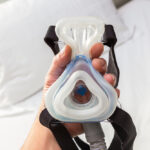
There are a number of effective treatments for sleep apnea. The best treatment for obstructive sleep apnea is CPAP therapy, which blows air through a mask to keep the airway open during sleep. Research indicates that CPAP therapy can improve many symptoms of sleep deprivation, including daytime sleepiness and car crash risk.
Sleep Deprivation Treatment
When sleep deprivation is simply due to not sleeping enough, a period of catch-up sleep is often enough to reverse the symptoms. You can start by making sleep a priority and carving out more time in your schedule to give yourself the opportunity to meet your sleep goals.
To help improve your sleep, your doctor may recommend sleep hygiene techniques such as:
- Implementing a bedtime routine and a regular sleep-wake schedule
- Using blackout curtains, a white noise machine, or earplugs if your bedroom lets in light or noise
- Avoiding caffeine six to eight hours prior to bedtime
- Keeping the room cool — between 60 and 67 degrees Fahrenheit
- Getting out of bed to do a relaxing activity if you can’t fall asleep within 20 minutes, and then returning when you feel sleepy
- Exercising regularly and getting bright light exposure in the morning
When to Talk to Your Doctor
You should consider talking to your doctor if sleep deprivation becomes persistent, begins affecting your daily functioning, or is accompanied by symptoms such as loud snoring, pauses in breathing during sleep, morning headaches, or excessive daytime sleepiness. These may be signs of an underlying sleep disorder like sleep apnea. It’s also important to seek medical guidance if you’ve tried improving your sleep habits but still struggle to get restorative rest.
Your doctor may refer you to a sleep lab for testing to detect any underlying sleep disorders. Sleep experts treat sleep disorders with a range of techniques, including cognitive behavioral therapy, medication, or special devices to keep the airways open if you have sleep apnea.
Medical Disclaimer: This content is for informational purposes and does not constitute medical advice. Please consult a health care provider prior to starting a new treatment or making changes to your treatment plan.
Frequently Asked Questions
While it’s rare for sleep deprivation alone to be the direct cause of death in humans, severe and prolonged sleep loss can lead to dangerous consequences. Sleep deprivation increases the risk of accidents, impairs judgment, and affects vital bodily functions. Chronic sleep loss is also linked to serious health issues such as heart disease, weakened immune function, and metabolic problems, which can indirectly increase health risks over time.
Sleep deprivation can trigger headaches by disrupting neurotransmitter levels, increasing stress, and causing muscle tension. People who are sleep-deprived often wake up with headaches or experience more frequent migraines. Poor sleep can also heighten sensitivity to pain, making headaches feel more intense.
Sleep deprivation can cause nausea or stomach discomfort in some people. Lack of sleep affects the autonomic nervous system and digestive processes, leading to symptoms such as nausea, reduced appetite, or gastrointestinal upset. These symptoms tend to worsen the longer sleep loss continues.
Sleep deprivation can contribute to high blood pressure. When you don’t get enough sleep, the body stays in a heightened stress state, increasing sympathetic nervous system activity and cortisol levels. Over time, this can lead to consistently elevated blood pressure and higher cardiovascular risk. People with sleep disorders such as sleep apnea are particularly vulnerable.
Yes, dizziness can occur when sleep deprivation affects balance, coordination, and blood pressure regulation. Poor sleep also reduces alertness and slows reaction times, making lightheadedness or unsteadiness more likely. Persistent dizziness should be evaluated by a healthcare provider to rule out other causes.

Written by
Danielle Pacheco, Contributing WriterDanielle is originally from Vancouver, BC, where she has spent many hours staring at her ceiling trying to fall asleep. She channels her frustration into researching sleep solutions and sharing insights with fellow insomniacs. Danielle spends her downtime trying out new recipes and working off the calories on the soccer field. Danielle studied the science of sleep with a degree in psychology at the University of British Columbia.

Reviewed by
Pranshu Adavadkar, MD, Medical ReviewerDr. Pranshu Adavadkar is a board-certified sleep medicine physician and pediatrician with more than two decades of clinical experience diagnosing and treating sleep disorders in both children and adults. His clinical work focuses on conditions such as obstructive sleep apnea, insomnia, and other sleep-related breathing disorders.