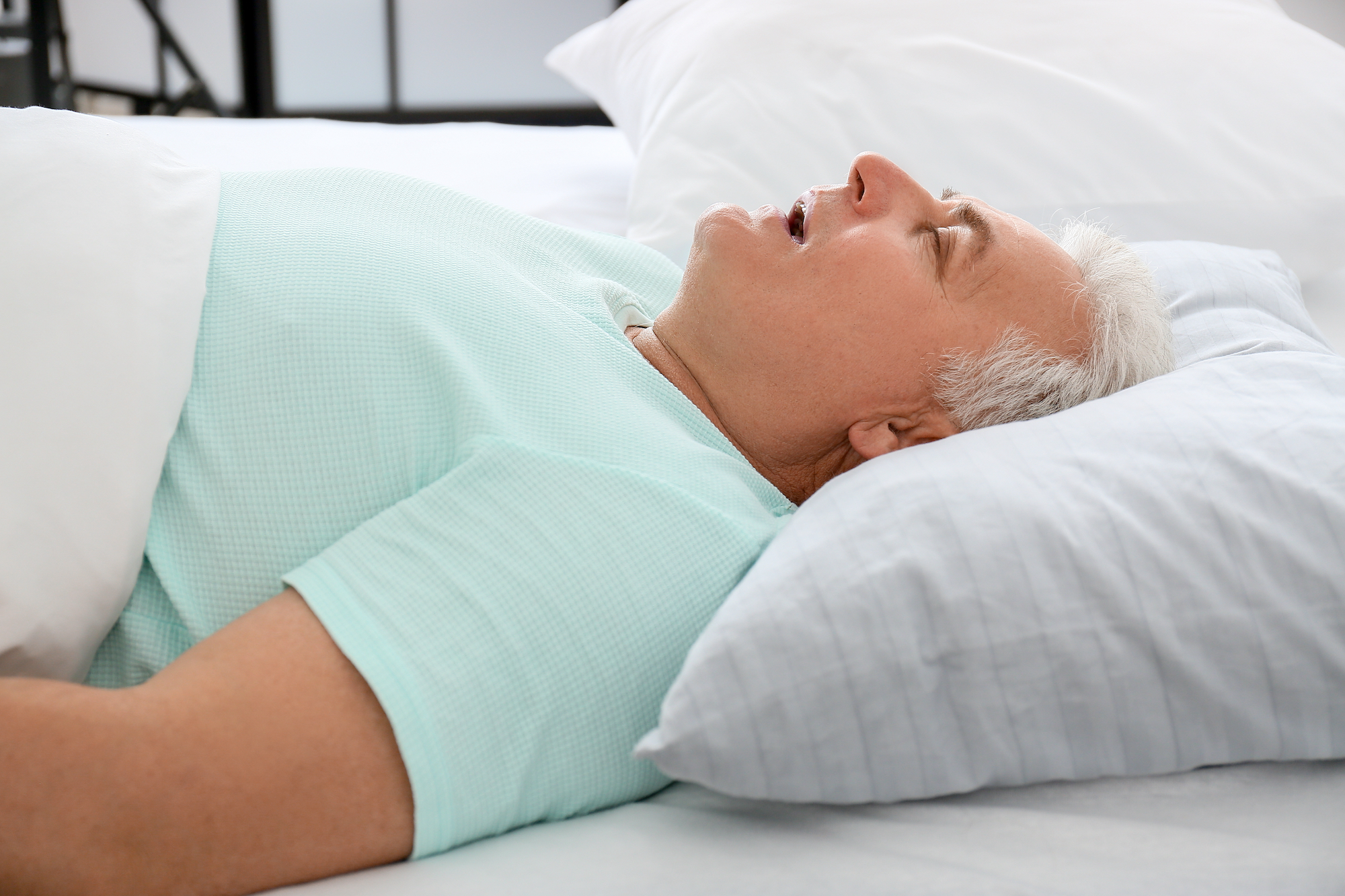
When your body can't effectively remove carbon dioxide through breathing, a condition called hypercapnia can develop—sometimes with serious consequences. Hypercapnia, also called hypercarbia, occurs when too much carbon dioxide (CO2) accumulates in a person’s bloodstream.
Certain medical conditions, including sleep apnea, can interfere with the body’s ability to regulate CO2 in the blood and contribute to hypercapnia. For people with these conditions, knowing the effects of excess CO2 in the blood can help them recognize the symptoms and seek appropriate medical attention.
Think You May Have Sleep Apnea? Try an At-Home Test

our partner at sleepdoctor.com
10% off Home Sleep Tests
Buy Now“Truly grateful for this home sleep test. Fair pricing and improved my sleep!”
Dawn G. – Verified Tester

Simple and convenient
- Equipment delivered to your doorstep
- One overnight test in the comfort of your own bed

Uncover sleep apnea
- Quietly collects data while you sleep
- 98% effective in detecting sleep apnea

Affordable & ships fast
- Arrives in 2-4 business days
- In-lab sleep tests cost ~$3,000+ (this one’s $189), HSA/FSA eligible


Hypercapnia Definition
Hypercapnia refers to elevated levels of carbon dioxide (CO2) in the bloodstream. Carbon dioxide is a waste product from energy production in the body. Normally, CO2 travels from the body’s tissues through the blood and is exhaled from the lungs.
Carbon dioxide can build up in the blood due to an overproduction of CO2 in the body or inadequate removal of CO2 by the lungs. Hypercapnia can also be caused by exposure to excessive CO2 in a person’s environment.
The presence of hypercapnia may signal an underlying health condition. Left untreated, hypercapnia can negatively affect a person’s brain and cardiovascular system. Because carbon dioxide turns into an acid, hypercapnia can also cause the blood and other body fluids to become too acidic.
Sleep Apnea and Hypercapnia
Hypercapnia is a potential complication of sleep apnea, a condition in which breathing becomes temporarily limited or stops during sleep. When breathing is reduced due to sleep apnea, carbon dioxide can accumulate in the bloodstream and cause hypercapnia.
Hypercapnia Symptoms
Symptoms of hypercapnia vary based on the cause of excess carbon dioxide in the blood and whether the condition occurs suddenly or persists over time.
Mild to Moderate Hypercapnia Symptoms
These symptoms often develop gradually and may be subtle at first:
- Headache (especially in the morning)
- Fatigue or daytime sleepiness
- Confusion or difficulty concentrating
- Flushed or warm skin
- Mild shortness of breath
- Increased heart rate (tachycardia)
- Muscle twitches or mild tremors
Acute Hypercapnia Symptoms
Acute hypercapnia can occur suddenly and may present more severe or alarming symptoms:
- Severe shortness of breath or labored breathing
- Dizziness or lightheadedness
- Rapid breathing (tachypnea)
- Anxiety or a sense of panic
- Difficulty thinking clearly or making decisions
- Visual disturbances
- Muscle weakness
Severe Hypercapnia Symptoms
Without treatment, hypercapnia can become life-threatening:
- Confusion progressing to stupor or unconsciousness
- Seizures
- Irregular heartbeat or heart palpitations
- Bluish skin, lips, or fingernails (cyanosis)
- Respiratory failure
- Coma
Causes of Hypercapnia
Experts believe that most cases of hypercapnia are caused by conditions that interfere with the lungs’ ability to exchange oxygen for carbon dioxide. Conditions that reduce the amount of gas exchanged in the lungs include:
- Pulmonary embolism
- Pulmonary vascular disease
- Chronic obstructive pulmonary disease (COPD)
- Asthma
- Interstitial lung diseases
Other health conditions can limit breathing, which then reduces oxygen and increases carbon dioxide in the blood. Conditions that may limit breathing and trigger hypercapnia include a variety of disorders that affect the spinal cord, chest and ribcage, or metabolism. Other conditions that may reduce respiration include stroke, sleep apnea, and obesity.
Risk Factors for Hypercapnia
Several factors can increase a person's risk of developing hypercapnia, particularly those that impair the lungs' ability to expel carbon dioxide.
- Chronic respiratory conditions like COPD, emphysema, and severe asthma limit airflow and gas exchange.
- Obesity hypoventilation syndrome means excess body weight impairs breathing during sleep.
- Neuromuscular disorders such as ALS or muscular dystrophy weaken the muscles responsible for breathing.
- Individuals who use sedatives, opioids, or alcohol excessively may experience reduced respiratory drive, making it harder for the body to regulate CO2 levels.
- Sleep-disordered breathing, like untreated obstructive sleep apnea, further compounds the risk.
- Environmental factors, such as exposure to enclosed spaces with poor ventilation or high CO₂ levels, can also contribute.
Complications of Hypercapnia
If left untreated, hypercapnia can lead to a range of serious complications that affect multiple systems in the body. Elevated carbon dioxide levels can impair brain function, leading to confusion, reduced alertness, and, in severe cases, coma. Respiratory acidosis, a condition in which blood becomes too acidic, can strain the heart and compromise organ function.
Chronic hypercapnia may also result in pulmonary hypertension, right-sided heart failure (cor pulmonale), and worsening respiratory fatigue, especially in people with underlying lung conditions. In acute cases, dangerously high CO2 levels can trigger life-threatening arrhythmias or respiratory arrest.


Diagnosing Hypercapnia
Diagnosing hypercapnia involves identifying elevated levels of carbon dioxide in the blood and determining the underlying cause through a combination of clinical evaluation and diagnostic testing.
Arterial Blood Gas Analysis
Hypercapnia can be diagnosed with a blood test called an arterial blood gas analysis. This test measures the amount of carbon dioxide and oxygen in the blood, as well as the blood’s pH or level of acidity. Usually, the blood for this test is collected from an artery in the wrist, arm, or groin.
Venous Blood Gas Analysis
In some cases, a venous blood gas analysis may be conducted instead. The blood sample for this test is taken from a vein, rather than an artery. A venous blood gas analysis can determine the pH of the blood, but only provides an estimate of carbon dioxide.
Additional Testing
After detecting hypercapnia and stabilizing a person’s breathing, doctors will likely collect a detailed medical history and perform a physical exam to diagnose the underlying cause of elevated CO2. Tests that may be used to determine the cause of hypercapnia include:
- Metabolic panel
- Complete blood count
- Screening for drug use
- Thyroid function testing
- Imaging of the chest, brain, and spinal cord
Hypercapnia Treatment
Treatment for hypercapnia involves stabilizing a person’s breathing to remove excess carbon dioxide from the bloodstream. There are several methods that doctors may use to stabilize breathing.
- Bi-level positive airway pressure (BiPAP or BPAP): BiPAP is a form of breathing assistance that delivers pressurized air through a mask placed over the nose, mouth, or both. The pressure is higher when a person inhales and lower when they exhale.
- Continuous positive airway pressure (CPAP): CPAP is another type of breathing assistance. Like BiPAP, CPAP delivers pressurized air into the lungs, but at a relatively consistent level of pressure for both inhalation and exhalation compared to BiPAP.
- Mechanical ventilation: In more severe cases of hypercapnia, such as when a person is not alert or awake, intubation with mechanical ventilation may be necessary. In this procedure, a tube is placed in the person’s windpipe and connected to a machine called a ventilator.
Once breathing is stabilized, health care providers attempt to diagnose and treat the underlying cause of hypercapnia to prevent additional CO2 from building up in the blood.
When to See a Doctor
You should seek medical attention if you experience symptoms that may suggest elevated carbon dioxide levels, such as unexplained fatigue, frequent headaches, shortness of breath, or confusion. These signs can indicate mild hypercapnia, which may worsen if left untreated.
Immediate medical evaluation is especially important if symptoms escalate to include rapid breathing, muscle twitching, or loss of consciousness, as these may signal acute or severe hypercapnia—potentially life-threatening conditions.
People with chronic lung conditions like COPD, obesity hypoventilation syndrome, or neuromuscular disorders should be particularly vigilant, as they are at higher risk. If you or a loved one experiences any unusual respiratory symptoms or sudden changes in mental status, consult a healthcare provider promptly for proper evaluation and treatment.
Frequently Asked Questions
Yes, hypercapnia can be life-threatening—especially in acute or severe cases. When carbon dioxide builds up to dangerous levels in the blood, it can impair respiratory and brain function, potentially leading to unconsciousness, organ failure, or death if not treated promptly.
Hypercapnia refers to elevated levels of carbon dioxide (CO2) in the blood, while hypoxemia refers to abnormally low levels of oxygen (O2). Though they can occur together, they are distinct conditions with different causes and effects on the body.
No, wearing a face mask does not cause hypercapnia in healthy individuals. Studies show that masks, including N95 respirators, do not significantly impair gas exchange. However, people with severe respiratory conditions should consult a doctor if they experience discomfort while masking.
While hypercapnia itself doesn’t directly cause a stroke, severe or prolonged CO2 buildup can reduce oxygen delivery to the brain and increase intracranial pressure—factors that may contribute to cerebrovascular complications in vulnerable individuals.
Yes, in many cases hypercapnia can be prevented by managing underlying conditions such as COPD or sleep apnea, avoiding respiratory depressants, quitting smoking, and using supplemental oxygen or ventilation devices as prescribed. Regular monitoring and follow-up care are essential for high-risk patients.
The outlook depends on the severity and underlying cause. People with chronic hypercapnia due to conditions like COPD may live for years with proper treatment and lifestyle adjustments. However, untreated or severe hypercapnia can lead to rapid health deterioration or death.

Written by
Amber Garnett, Contributing WriterAmber is a freelance writer who resides in Seattle. Amber has worked as a clinical social worker in the medical field for over a decade. She loves long nature walks, traveling and reading poetry.

Reviewed by
Gerard Meskill, MD, FAASM, Medical ReviewerGerard J. Meskill, MD, is board certified in both neurology and sleep medicine, and he is the founder and CEO of Tricoastal Narcolepsy and Sleep Disorders Center. The “Tricoastal” moniker references his background: he completed neurology residency on the East Coast at Long Island Jewish Medical Center – where he served as chief resident, sleep fellowship on the West Coast at Stanford University, and he now practices sleep medicine and neurology on the Gulf Coast in the greater Houston, Texas area.