At a Glance
CPAP titration is the process of determining the air pressure setting that keeps your airway open and prevents breathing interruptions during sleep. It is usually done during an overnight sleep study where technicians gradually adjust the pressure until breathing stabilizes and symptoms like snoring or apnea events are controlled.
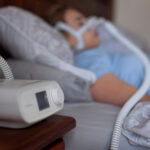
If you’ve been diagnosed with obstructive sleep apnea (OSA) or central sleep apnea (CSA), your doctor may recommend use of a continuous positive air pressure (CPAP) machine to help you sleep with fewer disturbances.
For this therapy to be effective, your CPAP machine must be calibrated to deliver the correct air pressure to meet your needs. This calibration is called CPAP titration and usually happens during a sleep study. Below, we’ll cover what happens during a CPAP titration study, how to prepare, what the results mean, and what to expect after your test.
What Is a CPAP Titration Study?
A CPAP titration study is typically performed overnight in a sleep lab after a diagnosis of sleep apnea has been made. During the study, you’ll sleep while connected to sensors that record your brain activity, breathing patterns, oxygen levels, heart rate, and muscle movements.
A sleep technologist will adjust the CPAP machine’s air pressure throughout the night to determine the optimal level that eliminates breathing interruptions and snoring without causing discomfort. The results of this study help your doctor fine-tune your therapy settings, ensuring your treatment is both comfortable and effective.
Need a CPAP Prescription? Start Here.

our partner at sleepdoctor.com
10% off Home Sleep Tests
Buy Now“Truly grateful for this home sleep test. Fair pricing and improved my sleep!”
Dawn G. – Verified Tester

Simple and convenient
- Equipment delivered to your doorstep
- One overnight test in the comfort of your own bed

Uncover sleep apnea
- Quietly collects data while you sleep
- 98% effective in detecting sleep apnea

Affordable & ships fast
- Arrives in 2-4 business days
- In-lab sleep tests cost ~$3,000+ (this one’s $189), HSA/FSA eligible


Types of CPAP Titration Studies
CPAP titration can be performed in different ways depending on your diagnosis, symptoms, and how much information your doctor needs to determine the right air pressure settings.
Full-Night Study
The gold standard for CPAP titration is a full-night study conducted at a sleep center or hospital. During this test, you spend the entire night sleeping while connected to sensors that measure your breathing, brain activity, oxygen levels, heart rate, and body movements. This comprehensive approach allows for fine-tuned calibration and provides detailed insights into how well you respond to therapy.
Split-Night Study
In certain cases, the initial sleep study to determine the nature of a person’s sleep disturbances and the CPAP titration study can happen on the same night. During these “split-night” sleep studies, the first portion of the study determines the nature of the sleep disturbance and the second portion is spent titrating CPAP levels.
The advantage of a split-night sleep study is that a patient doesn't need to participate in two separate studies on two nights but can instead be diagnosed and titrated for CPAP on the same night. However, there are also disadvantages to a split-night sleep study as well.

Home CPAP Titration Study
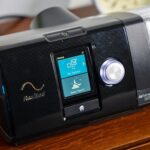
In other cases, titration can be done at home. A specific kind of PAP machine called an automatic positive airway pressure (APAP) device can automatically adjust air pressure to maintain unobstructed breathing for the user. These devices can be used by a person at home to titrate the necessary level of air pressure.
At-home CPAP titration with an APAP machine is only recommended for people who have uncomplicated obstructive sleep apnea. Evidence suggests at-home titration with APAP is just as successful as laboratory CPAP titration for those with uncomplicated OSA.
Who Needs a CPAP Titration Study?
Typically, a CPAP titration study is prescribed after a person receives a diagnosis of sleep apnea or another sleep-related breathing disorder. Usually, these disorders are diagnosed through polysomnography (PSG), which is an overnight sleep study, typically conducted in a lab setting, or by home sleep apnea testing (HSAT), which is an unattended sleep study conducted in a person’s home, rather than in a lab.
If the sleep study shows that a person has sleep apnea, then, depending on the nature of the sleep apnea, a doctor may recommend CPAP therapy. At this point, the person will need to participate in a second overnight study—a CPAP titration study—to determine what level of air pressure the CPAP machine must deliver to reduce breathing disturbances.
How to Prepare for a CPAP Titration Study
To prepare for an CPAP titration study in a facility, bring what you would typically need to feel comfortable for an overnight excursion including your toothbrush and comfortable sleep clothing. You may also want to bring items that help you relax at night, such as a book. In most cases, guests aren't permitted. In pediatric cases, a guardian is expected to be present and is given a cot or similar sleeping provisions.
During the day before your study, follow your normal routine and avoid caffeine after noon and napping. Doing so will help facilitate sleep during the study. You should also inform your doctor of any medication you’re taking in case it may interfere with the study.


What to Expect During a CPAP Titration Study
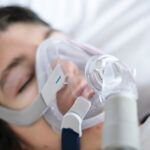
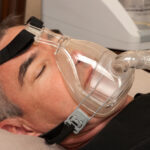
At the start of the study, a medical professional will fit a CPAP mask to your face. Additionally, sensors will be attached to you to track your sleeping and other important information such as oxygen levels and heart rate. You’ll be placed in a room to relax and eventually sleep.
Once you fall asleep, the study will begin. Air pressure levels during the study initially start low. Air pressure will gradually increase on your CPAP device until the level of pressure that acceptably relieves your sleep apnea is found. This level of pressure then becomes the set pressure for your CPAP machine at home.
Understanding CPAP Titration Study Results
Your CPAP titration results will determine the correct air pressure for your CPAP machine. After your doctor has interpreted your study results, you'll be instructed on how to get a CPAP machine and mask so you can start your CPAP therapy at home.
After one to eight weeks of home use, you'll likely have a follow up with your doctor to discuss how the therapy is going and make any necessary adjustments to the machine.
In rare cases, your titration results may yield an “inadequate” rating, which means an pressure level adequate to treat your sleep apnea could not be found. In this case, you may undergo a second titration study after your doctor identifies and addresses reasons for the first study’s failure. Your doctor may also recommend alternative forms of PAP therapy or other treatment options for your sleep apnea.
When to Talk to Your Doctor
If you have sleep disturbances or suspect you have sleep apnea, you should talk to your doctor so that they can help find the right treatment for you. A CPAP titration study may be part of the process of establishing treatment.
If you've already completed CPAP titration and are using a CPAP machine when you sleep but feel that the therapy isn't sufficiently treating your sleep disturbances, you should contact your doctor. It may be necessary to adjust the settings on your machine to better meet your needs.
Frequently Asked Questions
Yes. A CPAP titration study is typically necessary to determine the exact air pressure needed to keep your airway open during sleep. Without proper calibration, your CPAP therapy may be uncomfortable or less effective at reducing sleep apnea symptoms. Your doctor may recommend a titration study after a sleep apnea diagnosis or if your symptoms persist despite regular CPAP use.
In some cases, yes. At-home CPAP titration studies use portable equipment that automatically adjusts pressure levels throughout the night while you sleep in your own bed. However, in-lab studies remain the gold standard because sleep technicians can make real-time adjustments and collect more detailed data. Your doctor can determine which option is best based on your diagnosis and health history.
It’s common for CPAP pressure needs to change due to weight fluctuations, aging, new medications, or other health conditions. If you notice your symptoms returning, your sleep specialist may recommend a repeat titration study or switch you to an auto-adjusting CPAP (APAP) machine, which automatically adapts pressure levels throughout the night.
A CPAP titration study usually lasts one night, similar to a standard sleep study. You’ll typically arrive at the sleep center in the evening and stay overnight for six to eight hours. In some cases, a split-night study may be used, combining diagnosis and titration into a single session.
Most health insurance plans, including Medicare Part B, cover CPAP titration studies when they’re deemed medically necessary. Coverage typically includes the cost of the overnight study, monitoring, and equipment use. Patients are still responsible for any copayments, coinsurance, or deductibles. It’s best to confirm your coverage details directly with your insurance provider before scheduling the test.

Still have questions?
Sleep apnea products can be confusing. If you need individualized assistance, post your question to the Sleep Doctor forum.

Written by
Amber Garnett, Contributing WriterAmber is a freelance writer who resides in Seattle. Amber has worked as a clinical social worker in the medical field for over a decade. She loves long nature walks, traveling and reading poetry.

Reviewed by
Gerard J. Meskill, MD, FAASM, Medical ReviewerDr. Gerard J. Meskill is a neurologist and sleep medicine physician specializing in the diagnosis and treatment of sleep disorders, including narcolepsy, obstructive sleep apnea, and insomnia. He is board-certified in both neurology and sleep medicine and has extensive experience helping patients manage complex sleep conditions and disorders of excessive daytime sleepiness.