At a Glance
Ozone CPAP cleaners use “activated oxygen” gas to disinfect CPAP equipment, but they are not approved by the FDA and may pose safety risks. Because ozone can linger in masks and tubing or leak into the air, experts recommend cleaning CPAP equipment with mild soap and warm water instead.
CPAP accessories like masks, hoses, and water chambers must be cleaned regularly to remove germs, allergens, dust, and mold. However, not all cleaning methods have been proven safe or effective. Ozone cleaners are one example of a product marketed as a convenient way to disinfect CPAP equipment, but these devices have raised concerns about safety, effectiveness, and potential health risks.
Below, we'll discuss how ozone CPAP cleaners are meant to work, as well as their effectiveness, safety, and government agency recommendations.
Why We Don’t Recommend Ozone Cleaners
The Food and Drug Administration (FDA) has not approved ozone CPAP cleaners as safe or effective. These devices use ozone, or “activated oxygen,” to sterilize equipment, but only very high concentrations of the gas can kill bacteria, and those levels are dangerous for people to inhale.
If ozone lingers in CPAP parts after cleaning, users risk breathing it in, and while manufacturers recommend waiting at least an hour before reuse, FDA studies suggest unsafe levels may persist for several hours. Another concern is ozone escaping into the room through leaks, which can quickly raise gas concentrations to hazardous levels, especially in small or poorly ventilated spaces.
How Ozone CPAP Cleaners Work
Ozone CPAP cleaners use a reactive gas, ozone, that occurs naturally but can also be manufactured. Ozone is made up of oxygen molecules, but unlike the oxygen we breathe (O2), it has a third oxygen atom (O3). Ozone gas can be used to kill harmful bacteria, but only when it’s present in concentrations above those deemed safe for humans.
Some ozone CPAP cleaners consist of a large container with a lid that fills with the gas to disinfect accessories put into it, while others use an inflatable bag.
Are Ozone CPAP Cleaners Effective?
The FDA has not approved ozone CPAP cleaners as safe or effective. While ozone can be used to kill harmful bacteria, in order to effectively sanitize, higher levels of ozone gas than are safe for humans must be used. In commercial settings, regulations and requirements are in place to ensure workers use ozone safely.
Need a CPAP Prescription? Start Here
our partner at sleepdoctor.com
10% off Home Sleep Tests
Buy Now“Truly grateful for this home sleep test. Fair pricing and improved my sleep!”
Dawn G. – Verified Tester

Simple and convenient
- Equipment delivered to your doorstep
- One overnight test in the comfort of your own bed

Uncover sleep apnea
- Quietly collects data while you sleep
- 98% effective in detecting sleep apnea

Affordable & ships fast
- Arrives in 2-4 business days
- In-lab sleep tests cost ~$3,000+ (this one’s $189), HSA/FSA eligible


Ozone vs. UV CPAP Cleaners
Rather than using activated oxygen, like ozone cleaners, UV cleaners use ultraviolet light to kill microbes. With UV cleaners, there’s no risk of inhaling harmful gas, and items can be used immediately since there’s no downtime required to let any gas dissolve. However, exposure to the UV rays emitted from these devices could cause burns, harm the eyes, or increase a person's risk of developing skin cancer.
Additionally, in preliminary FDA studies, UV cleaners were found to vary widely in the power and duration of light used to sanitize the components. The agency cautions that insufficient length or strength of light exposure could pose a health risk for users who may then continue to use improperly sanitized equipment. Neither ozone nor UV CPAP cleaners have been approved by the FDA as safe or effective.
Risks Associated With Ozone CPAP Cleaners
While ozone CPAP cleaners are marketed as convenient disinfecting tools, they carry several health and safety risks:
- Respiratory Irritation: Ozone is a toxic gas that can cause coughing, shortness of breath, chest pain, and throat irritation if inhaled, even at low levels. People with asthma or other lung conditions may be particularly sensitive.
- Lingering Ozone in Equipment: If ozone remains in CPAP masks, hoses, or water chambers after cleaning, users may breathe it in when using their machine. The FDA has found that dangerous concentrations of ozone can persist for hours, even after the cleaning cycle is finished.
- Leaks Into the Room: Although designed to contain the gas, ozone can leak out of cleaning devices, especially at connection points. In small or poorly ventilated rooms, these leaks can quickly build up to hazardous levels.
- Lack of Proven Effectiveness: Despite marketing claims, ozone cleaners have not been proven to consistently disinfect CPAP equipment, and they have not been cleared or approved by the FDA.
Because of these risks, health experts generally recommend sticking to manufacturer-approved cleaning methods, such as soap and water, rather than relying on ozone-based devices.
FDA-Approved Methods for Cleaning CPAP Equipment
Consistent cleaning with soap and water remains the safest way to maintain your CPAP equipment, reduce the risk of infections, and extend the lifespan of the device. The FDA advises CPAP users to follow the manufacturer’s instructions when cleaning a CPAP machine and accessories.
- Daily cleaning: Wash the mask cushion, headgear, and tubing with warm water and a mild detergent, then rinse thoroughly and allow them to air dry. Empty and rinse the water chamber each day, letting it dry completely before refilling with distilled water.
- Weekly cleaning: Disassemble and wash all removable parts, including the mask frame and humidifier chamber, to prevent the buildup of bacteria, mold, and allergens. To clean, use a solution of one-part white vinegar and five-parts water. Put the mixture inside the tank and let it soak for 30 minutes before rinsing it with plain water.
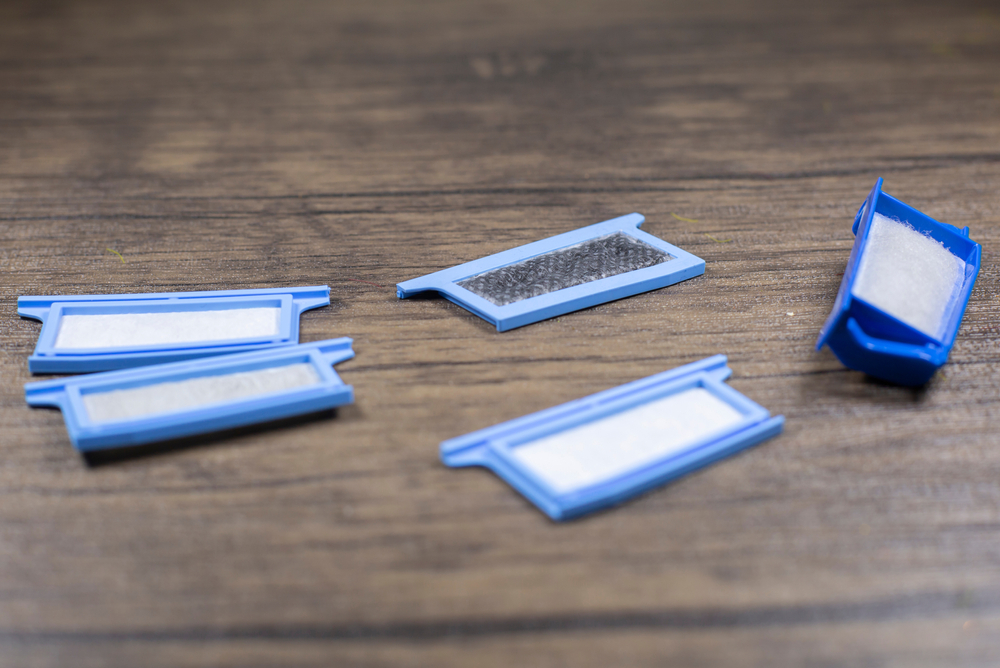
CPAP machines should be cleaned by unplugging them and then wiping them with a soft, damp cloth. Any disposable parts—like air filters—should be replaced on the schedule outlined by the manufacturer.
Frequently Asked Questions
Yes, activated oxygen is another name for ozone gas. Devices marketed as ozone CPAP cleaners and activated oxygen CPAP cleaners are using the same gas to disinfect.
No, health insurance, Medicaid, and Medicare generally do not cover the cost of ozone CPAP cleaners. Since CPAP cleaners aren’t essential to operate the machine, individuals who choose to use them are responsible for paying for them out-of-pocket.
Flexible spending accounts (FSA) or health savings accounts (HSA) might allow their funds to be used to cover the cost of a CPAP cleaner. Check your company’s policy to verify if funds can be used for this purpose and to find out the reimbursement process.
CPAP cleaning machines are available in stores and online. The durable medical equipment (DME) provider working with your doctor or sleep clinic to sell CPAP machines and equipment may also offer CPAP cleaners. DME providers typically charge more than other retailers, but may offer in-depth support.
Online CPAP equipment stores may sell a wider variety of CPAP cleaners and offer lower rates. Many also have customer support teams and provide free shipping.

Still have questions?
Sleep apnea products can be confusing. If you need individualized assistance, post your question to the Sleep Doctor forum.

Written by
Ashley Wood, Contributing WriterAshley is a registered nurse with over 15 years of experience and holds a bachelor’s degree in nursing. It is no surprise she likes writing about health information that encourages and enables others to live their healthiest life possible. Ashley enjoys spending time with her family, reading, hiking, and photography during her free time.

Gerard J. Meskill, MD, is board certified in both neurology and sleep medicine, and he is the founder and CEO of Tricoastal Narcolepsy and Sleep Disorders Center. The “Tricoastal” moniker references his background: he completed neurology residency on the East Coast at Long Island Jewish Medical Center – where he served as chief resident, sleep fellowship on the West Coast at Stanford University, and he now practices sleep medicine and neurology on the Gulf Coast in the greater Houston, Texas area.