At a Glance
Regular CPAP cleaning helps prevent bacteria, mold, and debris from building up in your mask, tubing, and humidifier. Most manufacturers recommend washing CPAP components with mild soap and warm water on a regular schedule—often daily for masks and weekly for other parts—while avoiding harsh chemicals and unapproved ozone or UV cleaning devices.
Keeping your CPAP machine clean is essential for your health and the effectiveness of your sleep apnea treatment. Without regular cleaning, moisture and residue from your breath can build up in your equipment and lead to bacteria, mold, and unpleasant odors, as well as premature wear and tear on your device.
Below, we’ll cover the best practices for cleaning your CPAP machine and tips to make the process simple and effective.
Need a CPAP Prescription? Start Here

our partner at sleepdoctor.com
10% off Home Sleep Tests
Buy Now“Truly grateful for this home sleep test. Fair pricing and improved my sleep!”
Dawn G. – Verified Tester

Simple and convenient
- Equipment delivered to your doorstep
- One overnight test in the comfort of your own bed

Uncover sleep apnea
- Quietly collects data while you sleep
- 98% effective in detecting sleep apnea

Affordable & ships fast
- Arrives in 2-4 business days
- In-lab sleep tests cost ~$3,000+ (this one’s $189), HSA/FSA eligible


CPAP Cleaning Supplies You’ll Need
Before getting started, gather the supplies you’ll need to clean and dry your CPAP equipment:
- A mild soap without fragrance, such as a dish soap
- Warm water
- Distilled water
- Distilled white vinegar
- A tub or other wide, shallow container
- A long, narrow brush for cleaning the hose
- Cloth, towels, or paper towels
- A towel rack or other place to air dry accessories
How to Clean a CPAP Machine
A consistent cleaning routine helps extend the life of your CPAP machine, ensures you’re getting the most out of your therapy, and reduces the risk of respiratory infections or skin irritation. Fortunately, daily and weekly cleaning routines are straightforward and don’t take much time.
Precautions Before You Start
Always follow the instructions provided by the CPAP device’s manufacturer. Generally, CPAP manufacturers recommend hand-washing each of the components with mild soap and water or diluted vinegar. Avoid products and practices when cleaning your CPAP that may cause damage to the device:
- Strong cleaning solutions, such as bleach
- Mineral water, which has particles that can build up on CPAP equipment
- Dishwashers, washers, or dryers, unless recommended by the manufacturer
- Diluted vinegar on a reusable filter
- CPAP cleaners that use ozone gas or UV light, as these devices have not been proven safe for human health or effective at cleaning CPAP supplies
Do not wash a disposable filter, which is made of thin paper or paper-like materials. If you have questions about how to clean CPAP equipment, contact your CPAP manufacturer or a health care provider.
1. Disassemble the Machine
The first step in CPAP cleaning is to take apart the portions that need to be cleaned. How to remove each part varies for each CPAP device, so be sure to check the manufacturer's instructions before starting.
- Unplug the CPAP machine from the electrical outlet.
- Remove the humidifier from the CPAP machine and discard any remaining water.
- Disconnect the hose from the mask and machine.
- If applicable, remove the cushions, head strap, and chinstrap from the mask.
- If applicable, remove the reusable filter from the CPAP machine

2. Wash the Mask, Tubing, and Humidifier Chamber
Use either warm soapy water or a solution of diluted white vinegar. Diluted vinegar provides a deeper clean and can help keep odors from building up. To make diluted vinegar, combine one part distilled white vinegar with three parts warm water. This solution can be used to clean all of the CPAP supplies except for the reusable filter.
Some CPAP manufacturers may recommend simply rinsing each part in the cleaning solution, while others may recommend using a brush to clean the device’s hose.
- Fill a tub or other container with warm, soapy water or a diluted vinegar solution.
- Submerge the CPAP hose, hose connectors, mask, mask cushions, head straps, chinstraps, and the reusable foam filter in the water. Remember to not use diluted vinegar to clean a reusable filter.
- If applicable, use a long, narrow brush to remove buildup from the inside of the CPAP hose.
- Clean the humidifier separately by pouring the cleaning solution into the water tank. You can use a long, narrow brush to remove any buildup on the inside walls of the tank.
3. Rinse and Air-Dry
Before reassembling the CPAP machine, be sure to thoroughly rinse and dry out each component.
- Rinse the CPAP hose, hose connectors, mask, mask cushions, head straps, chinstraps, reusable filter, and humidifier water tank with clean water.
- Pat the components with a dry cloth, towel, or paper towel.
- Let the components air dry before reassembling.
4. Reassemble the Machine
After each component is clean, reassemble the device while checking for any signs of damage to each of the CPAP’s components.
- When ready to reassemble, refill the humidifier’s water tank with distilled water, not tap water, to avoid mineral buildup on the inside surfaces of the tank.
- If applicable, return the reusable filter to the machine.
- Insert the humidifier back into the machine.
- If applicable, fit the cushion into the mask and attach the head strap and chinstrap.
- Put the connectors back onto the hose.
- Connect one end of the hose to the outlet on the CPAP machine.
- Connect the other end of the hose to the mask.
Once each step is complete and the components are thoroughly dry, you can plug the machine back into an electrical outlet.
5. Wipe Down the CPAP Machine
Since the CPAP machine itself is an electronic device, do not wash it. Instead, wipe the surface of the machine with a damp washcloth or specialized CPAP wipe to remove dust and pat dry with an unused washcloth or paper towel.
What Happens if You Don’t Clean Your CPAP
Cleaning your CPAP equipment is an important part of maintaining the device. Without proper cleaning and maintenance, a CPAP machine may malfunction. By cleaning and replacing your CPAP supplies on a regular basis, you can also reduce the number of germs, saliva, dead skin cells, facial oil, and other grime that can accumulate in the device over time.
How Often to Clean Your CPAP Equipment
The ideal schedule for cleaning CPAP components depends on the specific device and the manufacturer’s instructions. In general, certain components should be cleaned after each use and others should be cleaned every few days or every month. Keep in mind to always unplug electronics before cleaning.
| CPAP Component | Frequency of Cleaning |
|---|---|
| Hoses and Tubing | Dry after each use and clean every week |
| Mask Cushions | After each use |
| Nose Pillows | After each use |
| Mask | Every two days |
| Hose Connectors | Every week |
| Headgear | Every week |
| Chin Strap | Every week |
| Humidifier Water Tank | Every week |
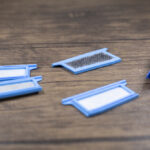
| Reusable Filter | Every week |
When to Replace CPAP Supplies
Even with regular cleaning, CPAP supplies need to be periodically replaced. Try to replace your CPAP supplies with new components according to your CPAP manufacturer’s replacement schedule.
In general, experts recommend replacing some of your CPAP supplies, like nasal pillows, mask cushions, and disposable filters, twice per month and other supplies every month, every three months, or every six months.
| CPAP Component | Replace Every |
|---|---|
| Nasal Cushions or Pillows | 2 weeks (twice monthly) |
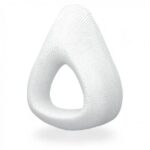
| Full-Face Mask Cushion | 1 month |
| CPAP Machine Filters | 1 month (disposable, 6 months (reusable) |
| Mask Frame | 3 months |
| Hoses and Tubing | 3 months |
| Headgear | 6 months |
| Chin Strap | 6 months |
| Humidifier Water Chamber | 6 months |
| CPAP Machine | 5 years |
| Heated Humidifier | 5 years |
If you notice wear and tear or discoloration of a CPAP component before its scheduled replacement date, then consider replacing it earlier than scheduled.
The CPAP machine itself can last for multiple years. However, be on the lookout for recalls in case your machine poses potential health risks and needs to be replaced.
Frequently Asked Questions
While ozone and UV cleaning machines are marketed as convenient options, they are not approved by the FDA and may not be as effective as manual cleaning. In some cases, ozone cleaners can leave behind harmful residue or odor. The safest and most effective way to clean your CPAP equipment is still regular washing with warm water and mild soap.
Yes, as long as it’s a mild, fragrance-free dish soap. Harsh or scented soaps can leave residue or cause irritation when inhaled. Be sure to rinse thoroughly and allow all parts to air-dry completely.
No, you should not run vinegar through the CPAP machine itself. However, you can soak certain detachable parts—like the humidifier chamber or tubing—in a 1:3 solution of white vinegar and warm water to disinfect them. Rinse well with water afterward to remove any vinegar smell or residue.
Avoid using bleach, alcohol, ammonia, or other harsh chemicals, as they can damage the equipment or leave harmful fumes. Also avoid antibacterial soaps with strong fragrances or moisturizers, which can leave a film on the equipment.
Yes. You should empty and rinse the humidifier chamber every morning, then let it air-dry to prevent the buildup of bacteria, mold, or mineral deposits. Use fresh, distilled water each night for best results.

Written by
Martinique Edwards, Contributing WriterMartinique writes content focused on sleep health, science, and trends. She graduated from the University of Georgia with a bachelor’s degree in Ecology and master’s degree in Environmental Health and has research experience in environmental microbiology and aquatic science. Martinique loves to view the world through an ecological lens, where everything is interconnected. In her free time, she enjoys outdoor activities such as running and parkour.

Reviewed by
Howard J. Hoffman, DDS, Medical ReviewerDr. Howard J. Hoffman is a dentist specializing in dental sleep medicine and the treatment of obstructive sleep apnea and temporomandibular joint (TMJ) disorders. With more than four decades of experience in dentistry and over 25 years focused on sleep apnea treatment, he works with physicians and sleep specialists to help patients manage sleep-disordered breathing using oral appliance therapy.