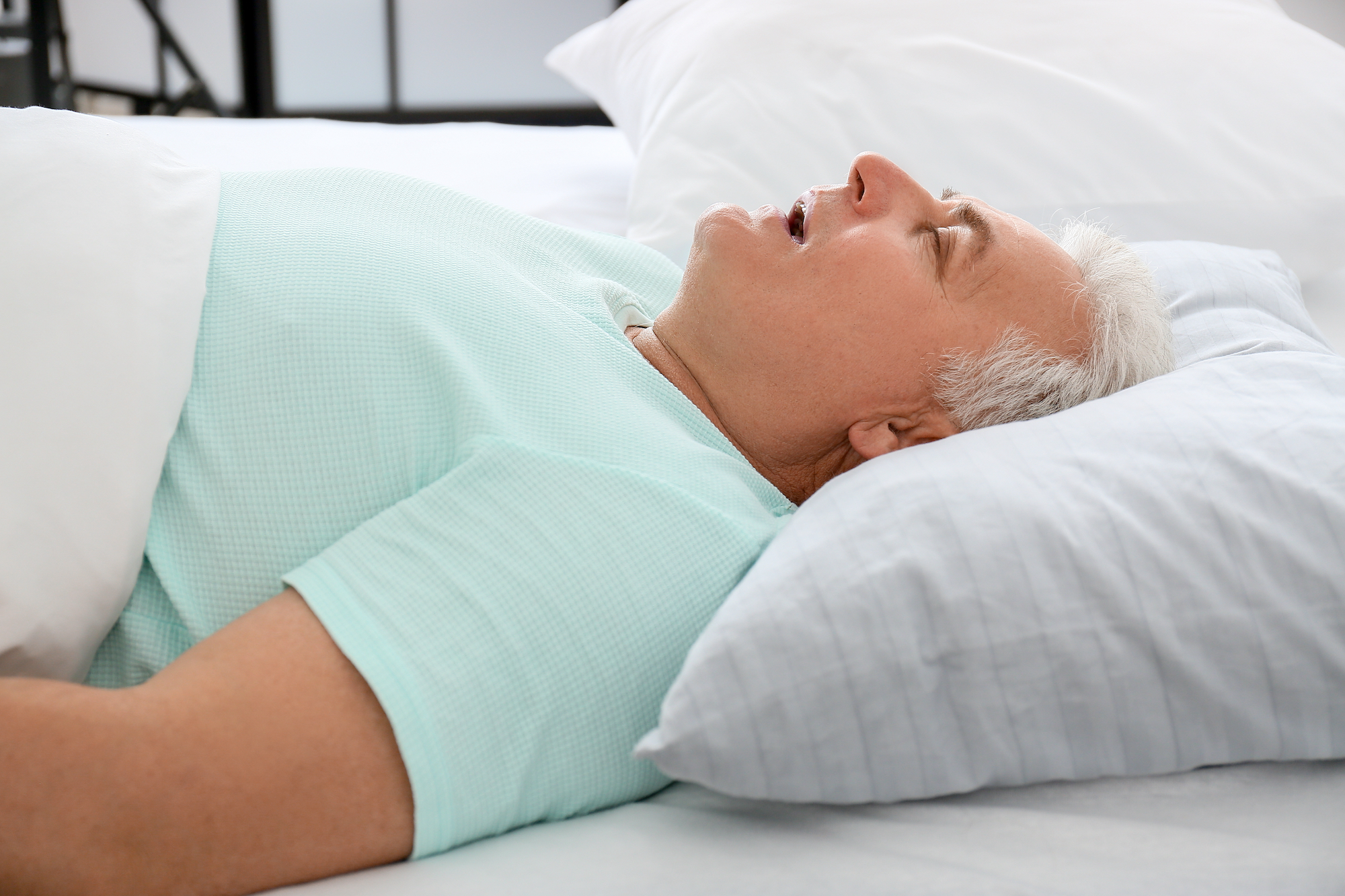
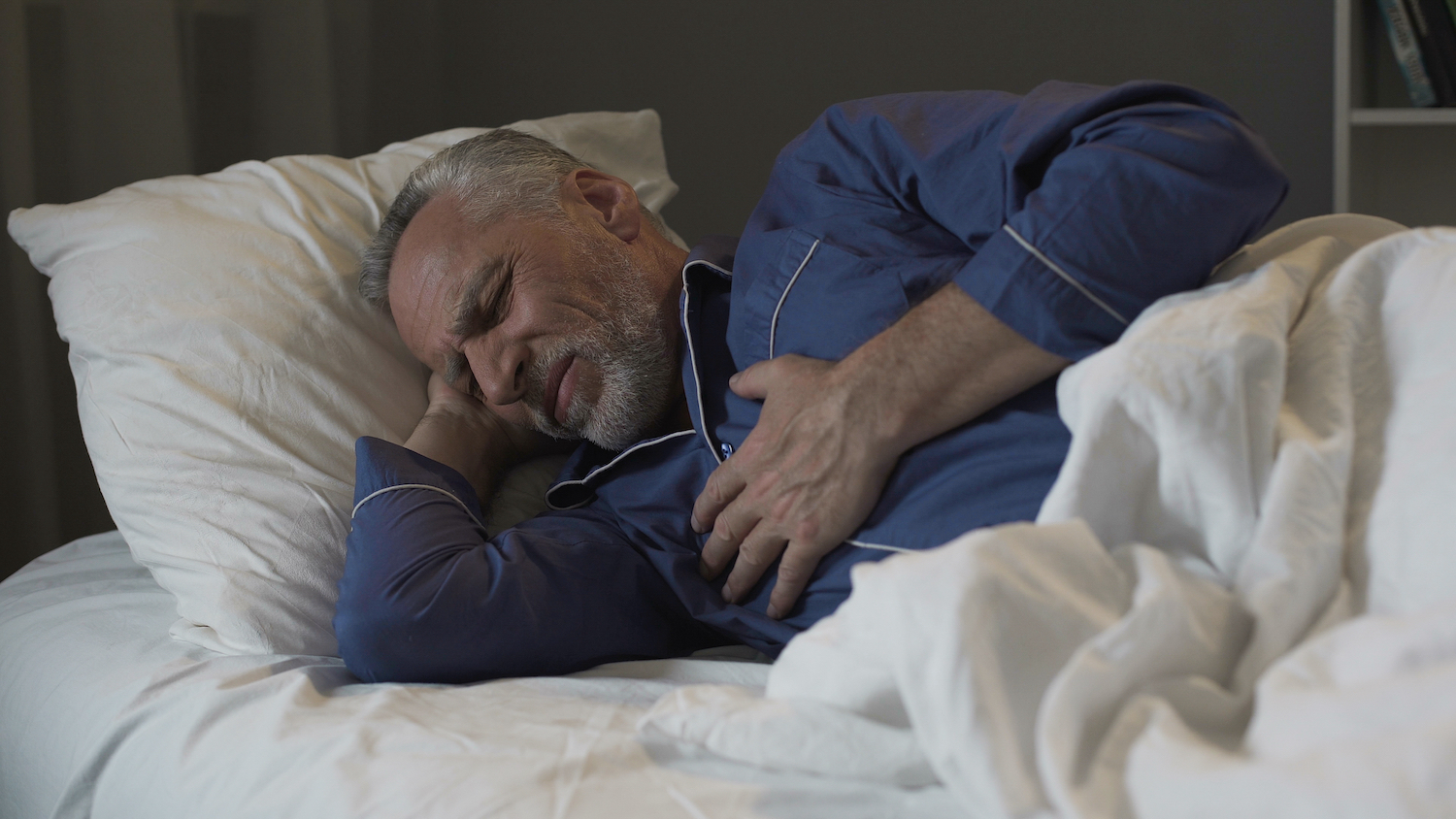
An estimated 45% of adults snore at least occasionally, so it’s no surprise there’s a wide range of products designed to keep airways open for snorers and improve their breathing while they sleep. Anti-snoring devices such as oral appliances and sleep apnea mouthguards are popular options because they are convenient, portable, and non-invasive – and many don’t require a doctor’s prescription.
Anti-snoring devices are typically engineered to open the airway by repositioning the tongue, the lower jaw, or both. We’ll break down some of the best anti-snoring mouthpieces and mouthguards on the market, and share tips to help you decide what’s best for you.
Our Top Picks

Best Overall
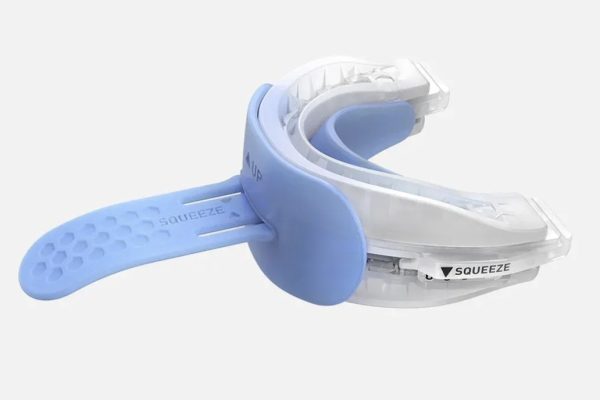
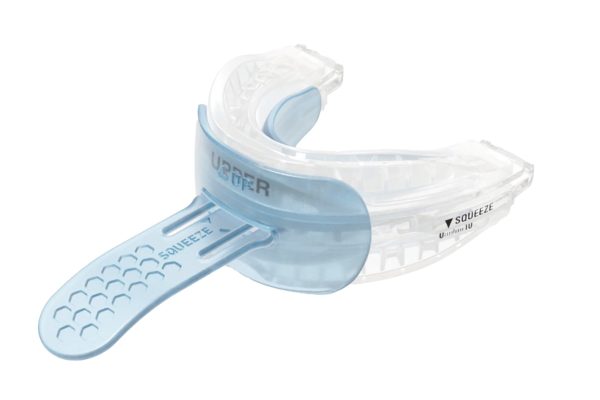
SnoreRx Plus

Ideal For
- Sleepers concerned with comfort
- Those who are unsure if an anti-snoring mouthpiece will work for them
- Individuals looking for a dental lab-style mouthpiece that they can customize at home
Who Should Keep Looking
- Sleepers with severe obstructive sleep apnea who need more significant treatment
- Those with certain dental conditions, such as missing teeth or dentures
- Individuals with TMJ or TMD
-
Price
$100
-
Type
Mandibular Advancement Device (MAD)
The SnoreRx Plus is built for convenience and comfort.
With hinging to allow vertical jaw movement, ventilation for greater airflow, and a lightweight, custom fit, the SnoreRx Plus molds closely to your teeth to help keep your airway open while you sleep. You can adjust the positioning in 1-millimeter increments, allowing you to find a position that’s both comfortable and effective.
Boil-and-bite customization lets you get the right fit at home. For this process, you’ll simply heat the mold and bite down while the material is soft to create a custom impression of your teeth. The device is made in the United States and uses dental-grade thermal matrix material. A detachable tray simplifies care, and you can use toothpaste for cleaning.
Most sleepers can expect to adjust to the SnoreRx Plus in three to five nights, but it comes with a 30-night money-back guarantee in case the mouthguard isn’t right for you.
Use this SleepApnea.org link for the most current discount on SnoreRx products
Shop NowMost Comfortable
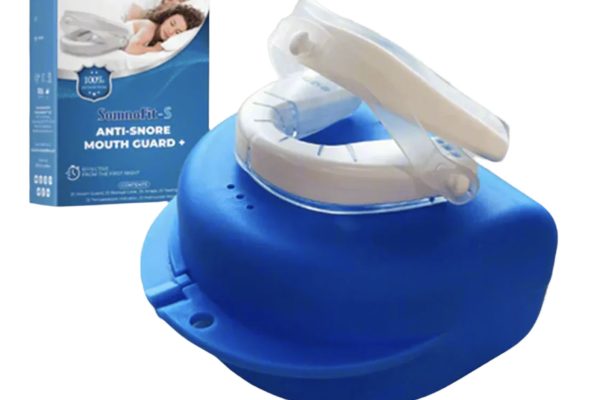
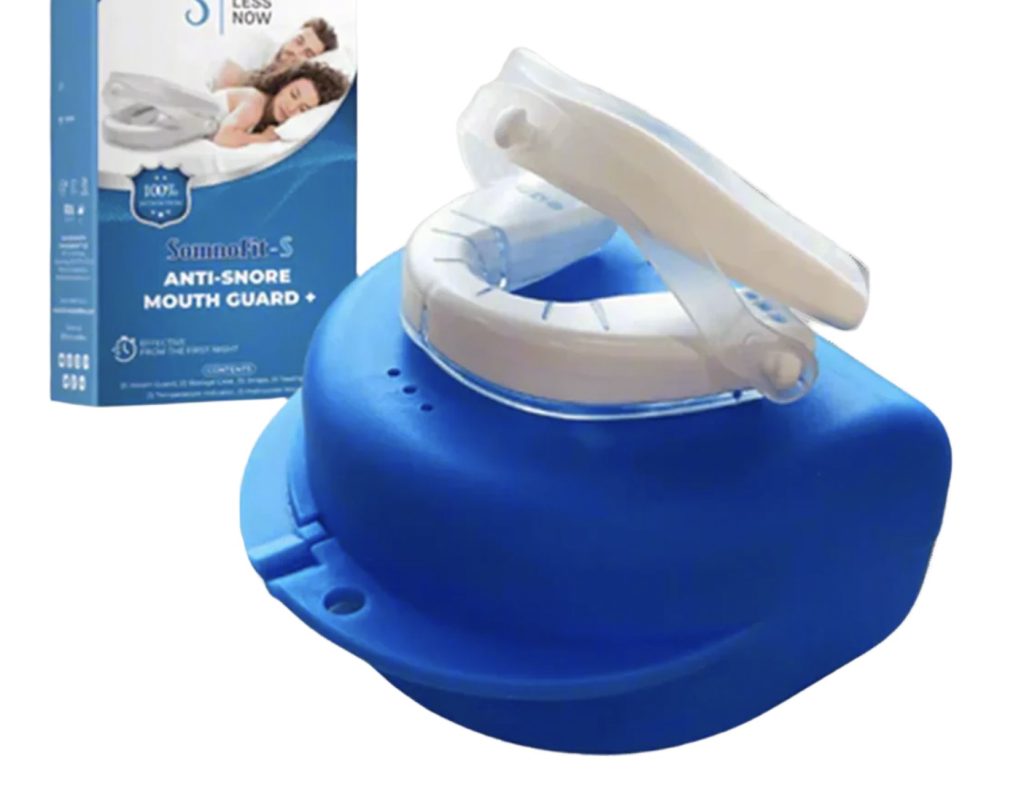
SnoreLessNow Somnofit-S Anti-Snore Mouth Guard+
Ideal For
- Frequent snorers
- Heavy snorers
- Those seeking an adjustable anti-snoring mouthguard
Who Should Keep Looking
- Sleepers with central sleep apnea (CSA)
- Individuals with dental conditions that may negatively affect comfort, effectiveness, or health
- Those with TMJ or TMD
-
Price
$150
-
Type
Mandibular Advancement Device (MAD)
If you’ve previously tried anti-snoring mouthpieces and found them uncomfortable, the Somnofit-S Anti-Snore Mouth Guard+ might be the right option for you.
As a mandibular advancement device (MAD), the Somnofit-S Anti-Snore Mouth Guard+ gently holds your lower jaw forward. To do this, it uses flexible straps that attach to the splints. These are designed to enhance comfort, improve fit, and allow you to speak or drink comfortably.
The device comes with five straps across 1.5-millimeter intervals to help you nail down your ideal jaw positioning. Thanks to the boil-and-bite design, you can also customize the splint fit at home and remold it if necessary.
The Somnofit-S Anti-Snore Mouth Guard+ can be cleaned by soaking it daily in denture cleaner.
Use this SleepApnea.org link for the most current discount on SnoreLessNow products
Shop NowBest Value
SmartGuard Rx Anti-Snore Device

Ideal For
- Regular, heavy snorers
- Individuals who snore as a result of jaw or tongue position
- Shoppers on a budget
Who Should Keep Looking
- Sleepers with select oral health issues, like loose teeth, gum disease, or dental implants
- Anyone under 18
- Individuals with jaw sensitivity
-
Price
$50
-
Type
Mandibular Advancement Device (MAD)
The SmartGuard RX Anti-Snore Device is an approachably priced option for shoppers on a budget, but it doesn’t skimp on quality.
Designed by a dentist, the RX’s hinged construction allows you to open your mouth, making it easier to breathe and speak. At the same time, these hinged advancement bars position the lower jaw to help open the sleeper’s airway and improve tongue position. Each device comes with six advancement bar options that vary in length by 1 millimeter increments to help you narrow down the right positioning.
With options to fit narrow, standard, and wide mouths, the SmartGuard RX Anti-Snore Device should comfortably fit most individuals. The boil-and-bite design allows at-home customization, further personalizing the fit for slim, unobtrusive comfort. You can remold the mouthpiece up to three times.
The SmartGuard RX Anti-Snore Device is constructed of BPA-free, medical-grade thermoplastic for durability, and it should be rinsed after each use.
Use this SleepApnea.org link for the most current discount on SmartGuard products
Shop NowBest for Sleep Apnea
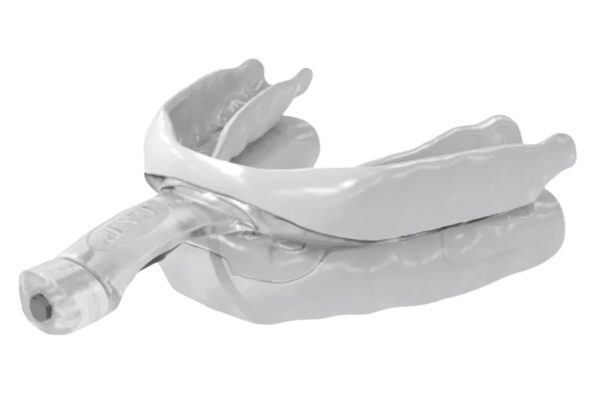
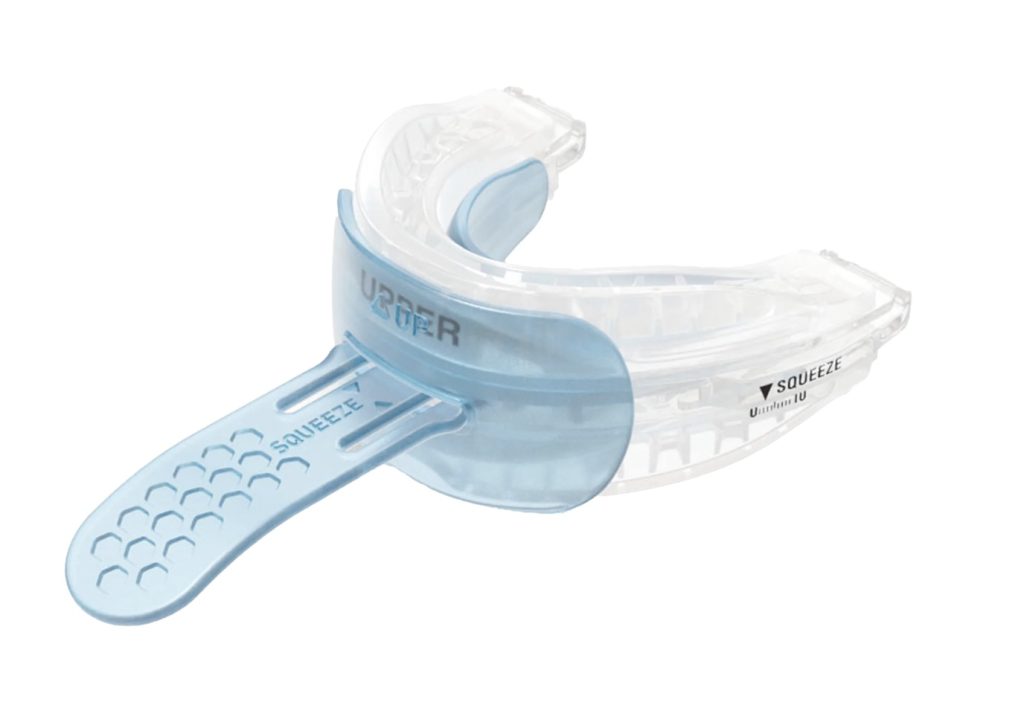
Apnea Sciences ApneaRx Sleep Apnea Mouthpiece
Ideal For
- People with mild-to-moderate obstructive sleep apnea who haven’t responded well to CPAP therapy
- Mouth breathers
- Those seeking an anti-snoring mouthpiece that’s easy to adjust
Who Should Keep Looking
- Sleepers with recent or delicate dental work
- Individuals with some other dental health conditions, like very narrow palates or gum disease
- Anyone with complex or severe sleep apnea
-
Price
$200
-
Type
Mandibular Advancement Device (MAD)
While many anti-snoring mouthpieces exclusively focus on non-apnea-related snoring, the ApneaRx Sleep Apnea Mouthpiece can help treat mild-to-moderate obstructive sleep apnea. This may make the mouthguard an appropriate alternative for those who are intolerant to CPAP therapy or who want a more portable alternative.
Like other mandibular advancement devices, this anti-snoring mouthpiece is designed to gently reposition the lower jaw and reduce snoring. Whether you breathe through your mouth or nose overnight, the ApneaRx Sleep Apnea Mouthpiece allows for comfortable inhalations and exhalations.
The positioning of the lower jaw is adjustable up to 10 millimeters in 1-millimeter increments. You can adjust the settings without any extra tools by pressing on the sides of the mouthpiece and sliding the trays.
Constructed from dental-grade polymer, the boil-and-bite design lets you customize the fit at home. The ApneaRx Sleep Apnea Mouthpiece requires a prescription, and it may be covered by insurance for those diagnosed with mild-to-moderate obstructive sleep apnea.
Use this SleepApnea.org link for the most current discount on ApneaRx products
Shop NowBest for Back Sleepers
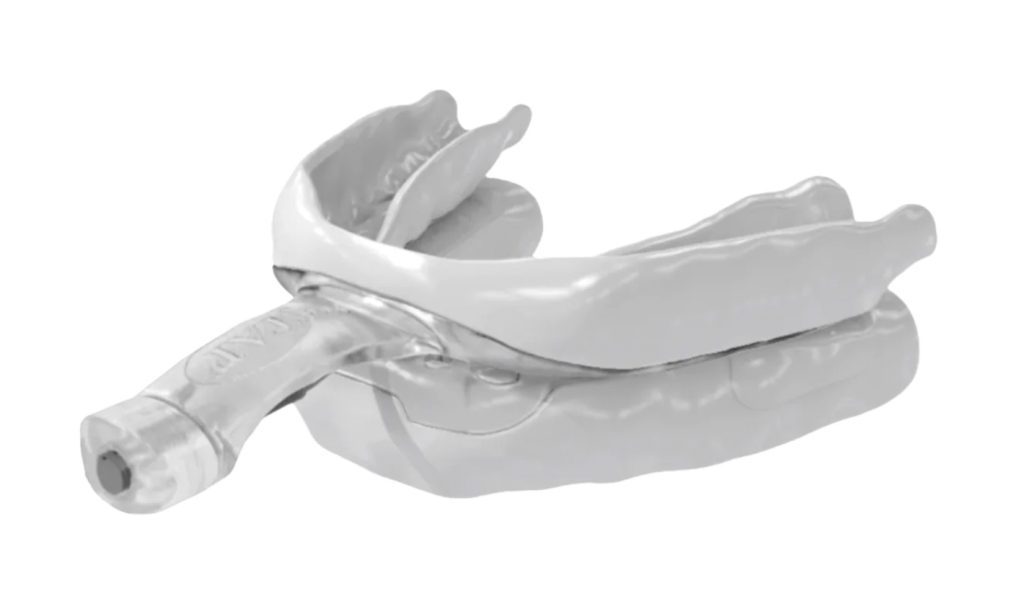
Airway Management myTAP Oral Appliance for Sleep Apnea
Ideal For
- Back sleepers
- Those prone to dry mouth or drooling
- Individuals seeking precise control over positioning
Who Should Keep Looking
- Individuals undergoing active dental treatment or with recent dental work
- Those with jaw or bite sensitivities
- Sleepers with limited natural teeth
-
Price
$200
-
Type
Mandibular Advancement Device (MAD)
With a wider range of advancement settings than many other anti-snoring mouthpieces on the market, the myTAP Oral Appliance is a great option for back sleepers who need more options. It can advance up to 22 millimeters in 0.3-millimeter increments, allowing more precise positioning. A single point of adjustment in the front of the device makes it easy to customize the device without extra equipment.
Using thin plastic, this unobtrusive device leaves space for the tongue. It also encourages nasal breathing, so sleepers may experience less drooling or dry mouth than they would with other devices. You’ll need a prescription to get the myTAP Oral Appliance, and insurance may contribute. Follow the boil-and-bite instructions to create a personalized mold at home, and you can refit the trays if necessary.
The myTAP Oral Appliance should be gently rinsed with water daily and brushed with mild soap and water once a week.
Use this SleepApnea.org link for the most current discount on Airway Management products
Shop NowBest Tongue Stabilization Device
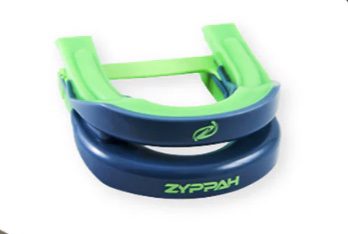
Zyppah Original Anti-Snoring Mouthpiece

Ideal For
- Sleepers whose tongue positioning is the root cause of their snoring
- Those who have tried other mandibular advancement devices without success
- Individuals not interested in adjustability
Who Should Keep Looking
- Sleepers seeking granular control of jaw position
- Those with significant dental work or dental health issues
- People with jaw pain
-
Price
$100
-
Type
MAD and TRD Hybrid
Developed by biomedical engineers who specialize in snoring and sleep apnea, the Zyppah Anti-Snoring Mouthpiece takes a hybrid approach to snoring reduction. A strap helps prevent the tongue from blocking the airway, and it holds the lower jaw 2 millimeters forward. While this is a relatively small shift, it’s effective for many sleepers.
By retaining the tongue and relocating the lower jaw, this mouthguard is ideal for anyone who hasn’t had luck with traditional MADs or tongue-retaining devices (TRDs). Detailed instructions are included with your order, along with a travel-friendly storage and carrying case
You can mold the Zyppah Anti-Snoring Mouthpiece to your teeth at home. To keep it clean, wash it in water or alcohol-free mouthwash. Orders might require a prescription.
Use this SleepApnea.org link for the most current discount on Zyppah products
Shop NowThink You May Have Sleep Apnea? Try an At-Home Test
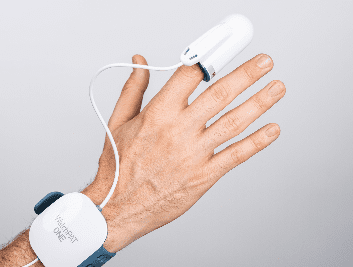
our partner at sleepdoctor.com
Save 10% + FREE 2-Day Shipping
Add to Cart“Truly grateful for this home sleep test. Fair pricing and improved my sleep!”
Dawn G. – Verified Tester

Simple and convenient
- Equipment delivered to your doorstep
- One overnight test in the comfort of your own bed

Uncover sleep apnea
- Quietly collects data while you sleep
- 98% effective in detecting sleep apnea

Affordable & ships fast
- Arrives in 2-4 business days
- In-lab sleep tests cost ~$3,000+ (this one’s $189), HSA/FSA eligible


Do Anti-Snoring Mouthpieces Work?
Anti-snoring mouthpieces work for many sleepers. Mandibular advancement devices (MADs) often improve obstructive sleep apnea symptoms, though patients may experience side effects. Tongue-retaining devices (TRDs) are similarly effective, providing notable improvements in snoring intensity and the Epworth Sleepiness Scale for sleepers with obstructive sleep apnea.
How Do Anti-Snoring Mouthpieces Work?
There are two main types of anti-snoring mouthpieces. Each works in a unique way to expand your airway and prevent snoring.
Mandibular Advancement Devices (MADs)
MADs are designed to hold the lower jaw and tongue forward to open the sleeper’s airway.
Tongue-Retaining Devices (TRDs)
A TRD focuses on keeping the tongue forward using suction, preventing it from falling into the back of the mouth and blocking the airway.
What to Look for in an Anti-Snoring Mouthpiece
When selecting an anti-snoring device, consider the type, fit, materials, budget, features, and safety.
Type
Mandibular advancement devices (MADs) and tongue-retaining devices (TRDs) are the two main types of anti-snoring mouthpieces. While either may be effective, personal preferences and underlying dental or medical conditions could influence your choice. Some hybrid anti-snoring mouthpieces function as both MADs and TRDs, holding the tongue in place while repositioning the jaw.
Fit and Customization
Anti-snoring mouthpieces are often customizable to better fit your mouth. Those that you can mold at home are usually more affordable than custom mouthpieces from a dentist or sleep specialist. Other aspects of the mouthpiece, such as its profile and arch size, may also impact fit.
Materials
Anti-snoring mouthpieces are often constructed of medical- or dental-grade material, though precise materials vary. Ensure the materials are health safe, high quality, and compatible with any allergies you have.
Budget
Prices for anti-snoring mouthpieces can vary from less than $50 to more than $200. When budgeting for your mouthpiece, take its expected lifespan and replacement schedule into account to get an idea of its long-term value.
Features
Some anti-snoring mouthpieces have notable features for comfort or convenience, such as easy advancement adjustment, a wide range of adjustability, or more granular adjustability.
Safety
Ensure that any mouthpiece you consider is compatible with any medical or dental conditions. If you’re unsure, consult your doctor or dentist.
Who Should Not Use an Anti-Snoring Mouthpiece
While many sleepers find anti-snoring mouthpieces help them breathe more easily, some should avoid anti-snoring mouthpieces unless directed by their doctor:
- Sleepers undergoing active dental treatment
- Those with certain respiratory conditions, such as central sleep apnea or severe obstructive sleep apnea
- People with jaw pain, TMJ, or TMD
- Anyone with braces, retainers, other orthodontia, or new dental implants
- Individuals with loose teeth, crowns, or fillings
- Those with dentures, bridges, or temporary crowns
- People with severe gum disease
- Some sleepers with exceptionally narrow palates
- Children under 18
Other Ways to Reduce Snoring
Anti-snoring mouthpieces are just one tool designed to stop snoring. A few other options might also help you snore less. However, persistent or severe snoring may signal underlying sleep disorders that require medical evaluation.
Sleep position
If you favor back sleeping, shifting to sleeping on your side is often a good first step toward reducing snoring. Additionally, many sleepers who snore find relief by using an adjustable base to sleep in an inclined position. Since head and neck position can play a role in snoring, cervical-support pillows may also be effective.
Lifestyle Changes
Since alcohol consumption can worsen snoring, cutting back on drinking before bed could support symptom prevention. If you’re a smoker, quitting may also help. Other ways to potentially reduce snoring include losing weight and maintaining a healthy diet.
Treatment of Underlying Conditions
Certain underlying conditions, such as untreated allergies, are closely linked to snoring and other sleep disturbances. If you have regular allergy symptoms or other conditions that may affect your breathing or your sleep, talk to your doctor about whether treatment for those conditions might also help reduce snoring.
Myofunctional Therapy
Exercising key muscles in the tongue and oropharynx can reduce snoring intensity and time spent snoring. It does this by improving muscle tone to reduce airway collapse.
Medical Disclaimer: This content is for informational purposes and does not constitute medical advice. Please consult a health care provider prior to starting a new treatment or making changes to your treatment plan.

Still have questions?
Sleep apnea products can be confusing. If you need individualized assistance, post your question to the Sleep Doctor forum.

Written by
Danielle Pacheco, Contributing WriterDanielle is originally from Vancouver, BC, where she has spent many hours staring at her ceiling trying to fall asleep. She channels her frustration into researching sleep solutions and sharing insights with fellow insomniacs. Danielle spends her downtime trying out new recipes and working off the calories on the soccer field. Danielle studied the science of sleep with a degree in psychology at the University of British Columbia.