Sleep apnea is a serious condition that disrupts breathing during sleep, but a number of evidence-based home remedies may help reduce symptoms and improve sleep quality.
While positive airway pressure (PAP) therapy remains the gold standard for treating sleep apnea, many individuals can enhance their outcomes by adopting targeted lifestyle changes. When used alongside medical treatment, these at-home strategies may significantly reduce symptoms — and for some, lead to complete resolution of their sleep apnea.
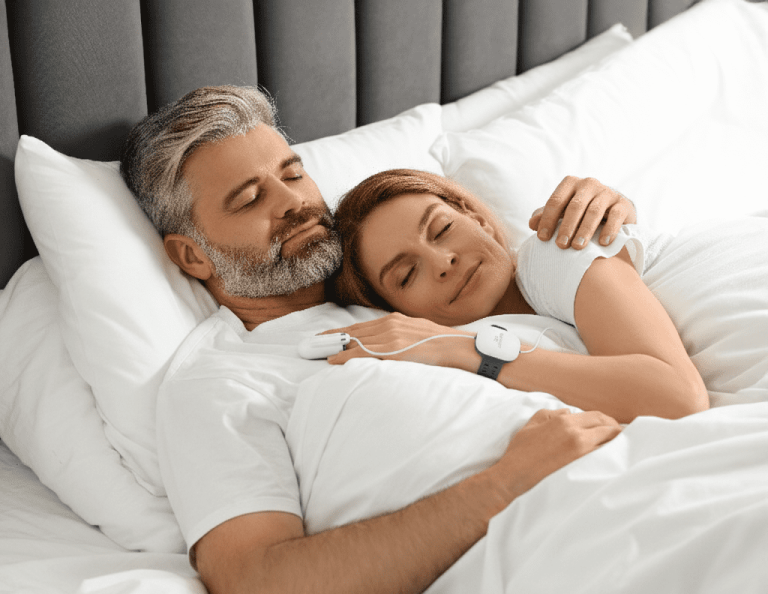
Think You May Have Sleep Apnea? Try an At-Home Test
our partner at sleepdoctor.com
10% off Home Sleep Tests
Buy Now“Truly grateful for this home sleep test. Fair pricing and improved my sleep!”
Dawn G. – Verified Tester

Simple and convenient
- Equipment delivered to your doorstep
- One overnight test in the comfort of your own bed

Uncover sleep apnea
- Quietly collects data while you sleep
- 98% effective in detecting sleep apnea

Affordable & ships fast
- Arrives in 2-4 business days
- In-lab sleep tests cost ~$3,000+ (this one’s $189), HSA/FSA eligible


Home Remedies That May Improve Sleep Apnea
There are a number of simple things you can do at home to help improve the symptoms of obstructive sleep apnea (OSA), including changing your sleep position, limiting alcohol, getting exercise, playing a musical instrument, and treating nasal congestion.
Each of these home remedies typically works best in conjunction with medical treatments. Be sure to talk to your doctor or a sleep specialist about your symptoms and sleep apnea severity to determine if you need additional therapy to effectively treat your condition.
Change Your Sleep Position
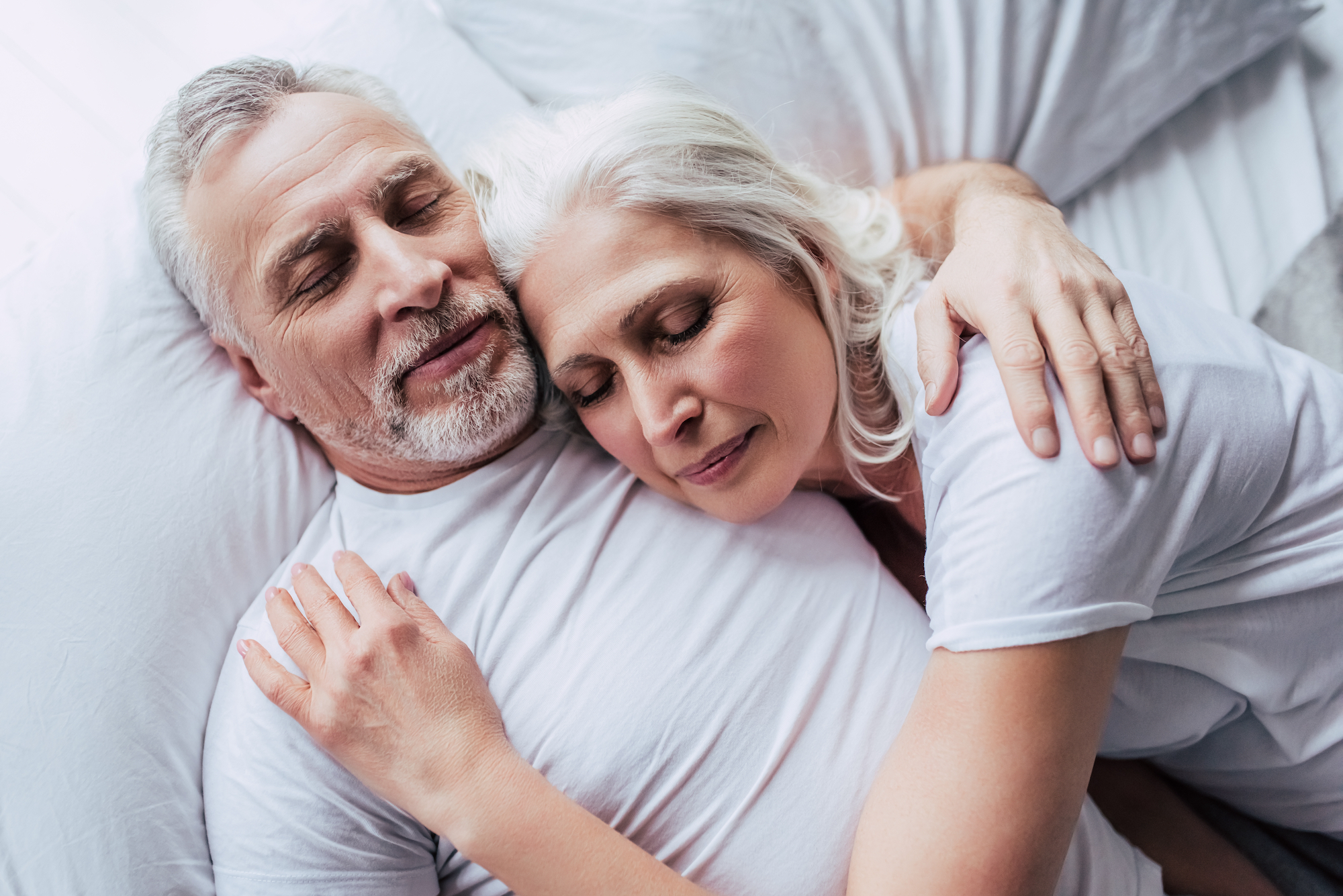
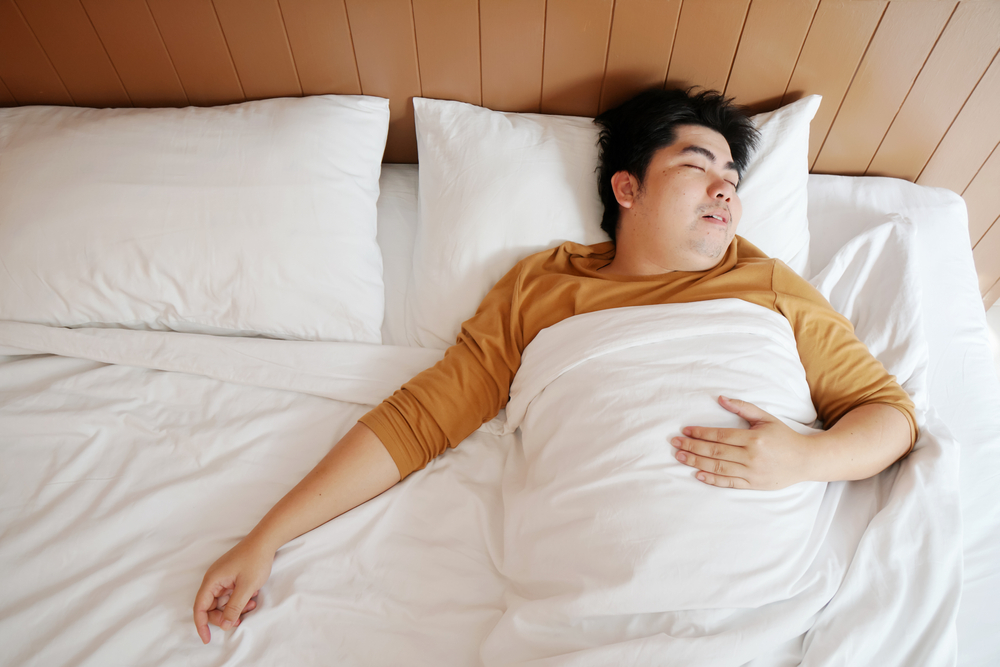
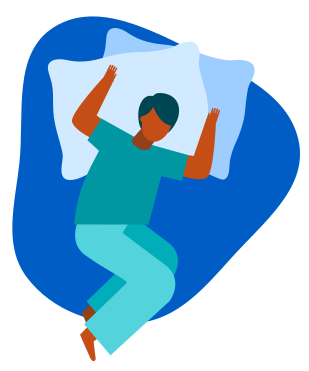
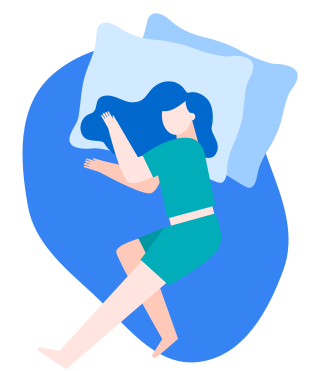
Sleeping on your back can make obstructive sleep apnea (OSA) worse, as this position allows the tongue to fall to the back of the throat and block the airway. If you find that sleeping on your back increases symptoms like snoring, sleeping on your side may help alleviate your OSA.
If you’re naturally a back sleeper, one way to switch to train yourself to sleep on your side is to customize a nightshirt. You can take a T-shirt that fits snugly, sew a pocket into the backside of the shirt, and place a tennis ball into the pocket. When you try to roll over from your side onto your back during the night, the discomfort from the ball will make you roll back onto your side.
You can also try sleeping with a head-positioning pillow that supports the neck and opens the airway. These pillows may be shaped like a wedge or have contours, and many can be used in either the back or side-sleeping positions.
Avoid Alcohol
Avoiding or limiting alcohol consumption—especially in the hours before bedtime—is a key home remedy for managing OSA. Alcohol relaxes the muscles in the throat and airway, making it more likely for the airway to collapse during sleep and trigger apnea events. It can also make OSA worse by lengthening and increasing the number of pauses in breathing.
Alcohol can also lower the amount of oxygen circulating in the blood, which is a problem people with OSA already encounter while sleeping. Low blood oxygen levels can put stress on the heart, lungs, and other organs, making it difficult for the body to function normally.
Stop Smoking
Quitting smoking can significantly improve sleep apnea symptoms. Tobacco smoke irritates and inflames the tissues in the airway, leading to increased swelling, mucus production, and airway resistance—all of which can worsen apnea episodes during sleep. Smoking is also linked to poor sleep quality and a higher risk of developing sleep-disordered breathing.
While quitting is challenging, it's one of the most impactful lifestyle changes a person with sleep apnea can make. Over time, the body begins to heal, inflammation subsides, and breathing becomes easier, especially during the night.
Exercise Regularly
Regular exercise can help reduce the severity of OSA by promoting weight loss, strengthening respiratory muscles, and improving overall sleep quality. Even modest weight reduction has been shown to decrease apnea episodes and improve oxygen levels during sleep.
In addition to aerobic or resistance training, practices like yoga and targeted breathing exercises may be especially beneficial. Yoga enhances lung capacity, encourages better posture, and strengthens upper airway muscles, while breathing techniques—such as pranayama—can help promote relaxation and more controlled nighttime breathing.
Perform Mouth and Throat Exercises
Mouth and throat exercises—also known as oropharyngeal exercises—can help reduce sleep apnea symptoms by strengthening the muscles that support the airway. Weak or relaxed throat muscles are a major contributor to airway collapse during sleep, especially in cases of obstructive sleep apnea.
Practicing targeted movements like tongue slides, soft palate lifts, and repeated vowel sounds can tone these muscles and improve their function over time. Studies have shown that consistent practice of these exercises may lead to fewer apnea events, less snoring, and better sleep quality.
Maintain a Healthy Weight
Maintaining a healthy weight is one of the most effective ways to reduce the severity of obstructive sleep apnea. Excess body weight—particularly around the neck and upper airway—can increase pressure on the throat muscles, making them more likely to collapse during sleep and obstruct breathing.
Even a modest amount of weight loss can lead to meaningful improvements in apnea symptoms, including reduced snoring and better sleep quality. In some cases, losing weight may even eliminate the need for CPAP therapy. However, it’s important to aim for gradual, sustainable changes through a balanced diet and regular physical activity, ideally under the guidance of a healthcare provider.
Treat Nasal Congestion
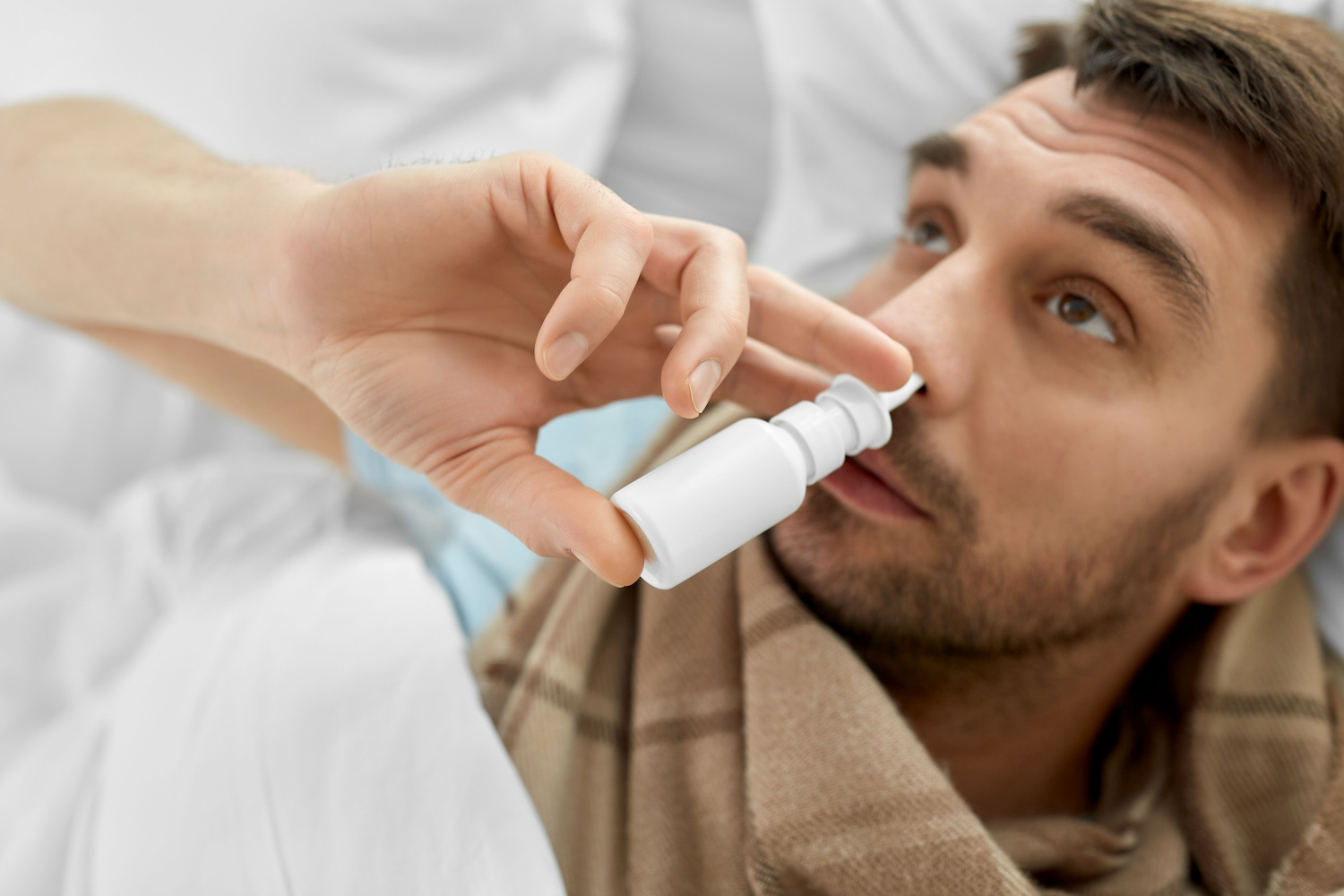
A stuffy nose can block the flow of air through the nasal passages and upper airway, exacerbating OSA symptoms. In some cases, congestion can even interfere with PAP therapy. Nasal congestion can have a variety of causes, including allergies, infections, and the structure of your nose.
If you have a stuffy nose, consider using a saline nasal spray to flush out allergens from the nasal passages. An antihistamine, either applied as a nasal spray or taken by mouth, may help reduce inflammation inside the nose.
Also, try to avoid allergens like dust mites, pet dander, and pollen by vacuuming and dusting regularly, bathing before bedtime to remove allergens from hair and clothing, and keeping your home and car windows closed during allergy season.
Consider using a high-efficiency particulate air filter in your HVAC system and in your vacuum cleaner to capture more particles.
Use a Humidifier
Dry air can irritate the respiratory system and worsen sleep apnea symptoms, especially for people who breathe through their mouths while sleeping. A humidifier adds moisture to the air, which can help soothe the tissues of the nose and throat, reduce congestion, and make breathing more comfortable at night. Some people find that using a warm mist or cool mist humidifier leads to fewer nighttime awakenings and less snoring.
Try an Oral Appliance
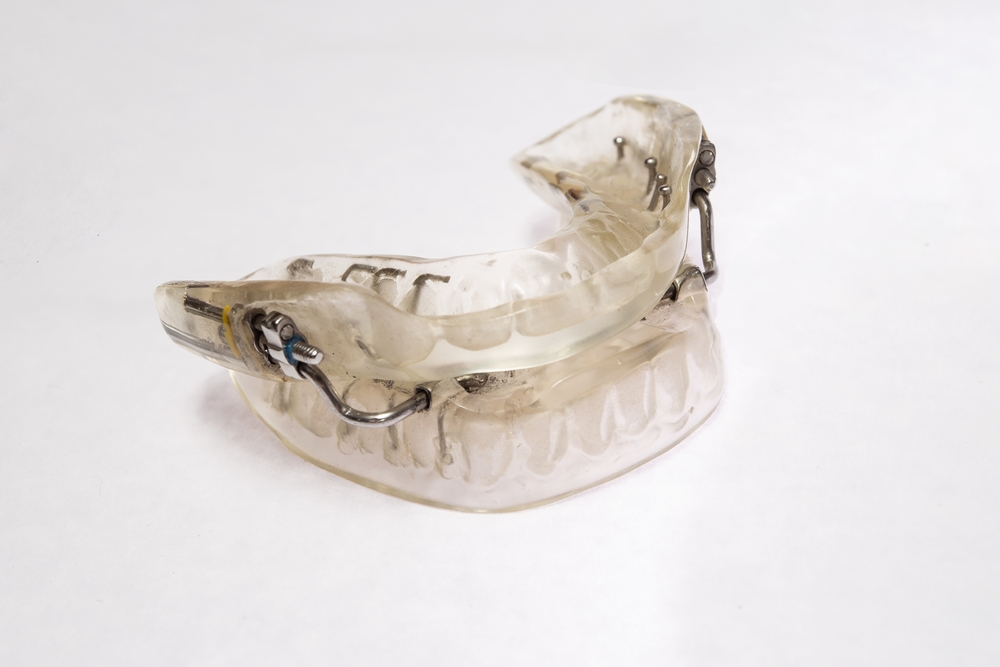
As far as alternatives to CPAP therapy go, there are many options. Oral appliances, such as mandibular advancement devices (MADs) and tongue-retaining devices (TRDs), do not require air and are more like removable mouth guards.
MADs push the lower jaw into a forward position to ensure the airway stays open by moving the tongue out of the airway. Tongue-retaining devices reposition the tongue so that it does not fall backward into the airway. Both devices are typically worn during sleep and not during the day.
While they may not be as effective as CPAP therapy for severe sleep apnea, they can be a good option for people with mild to moderate cases or those who find it difficult to tolerate a CPAP machine. Oral appliances should be fitted and monitored by a qualified dentist to ensure both comfort and effectiveness.
Sing or Play a Wind Instrument
Perhaps one of the least expected home remedies, singing or playing a wind instrument may improve OSA by strengthening the airway muscles that support breathing. It’s worth noting, though, that these musical exercises are likely to be most effective for people who practice for multiple hours every week.
One indigenous Australian instrument, the didgeridoo, has been shown to reduce OSA severity in people who played it at least 20 minutes a day, five days a week, over the course of four months.
Risks of Untreated Sleep Apnea
If left untreated, obstructive sleep apnea increases the risk of other health issues, like chronic heart and metabolic conditions, as well as mood disorders. Associated risks include:
- High blood pressure
- Inflammation
- Coronary artery disease
- Prediabetes
- Type 2 diabetes
- Stroke
- Irritability
- Depression
- Workplace and traffic accidents
In children, untreated OSA is often connected to attention deficit, hyperactivity, rebelliousness, and learning difficulties.
When to Seek Medical Treatment for Sleep Apnea
Talk to a doctor or other health professional if you or someone in your home notices symptoms of obstructive sleep apnea.
Common symptoms of OSA include:
- Long pauses in between breaths while sleeping
- Choking or gasping for air while sleeping
- Loud snoring
- Daytime sleepiness
- Headache after awakening
- Inability to concentrate
- Mood changes
Diagnosis of Sleep Apnea
After you tell your doctor about your symptoms, your doctor may order a sleep study, also known as a polysomnography. A sleep study takes place overnight, usually at a sleep center but sometimes at home.
The study assesses your breathing, heart rate, body position, blood oxygen levels, and other metrics while you sleep. A sleep specialist will interpret these data, then they will use this information alongside your physical examination and reported symptoms to make a diagnosis.
If you receive a diagnosis of OSA, your doctor may recommend several treatment options.
Treatment of Sleep Apnea
A person who has moderate or severe obstructive sleep apnea will likely need medical treatment. Common sleep apnea treatment options include positive airway pressure, oral appliances, upper airway stimulation devices, and mouth and throat exercises.
Continuous positive airway pressure (CPAP) is the go-to therapy for many people diagnosed with OSA. A CPAP machine pumps air through a hose and into a mask while a person is sleeping. The air is pressurized, filtered, and sometimes humidified, and its purpose is to keep the airway open and to prevent or reduce pauses in breathing.
There are also other types of PAP therapy, including auto-adjusting PAP (APAP) and bilevel PAP (BiPAP or BPAP), as well as similar therapies such as adaptive servo-ventilation (ASV).
Lastly, upper airway stimulation involves surgical implantation of a small device into the chest. The device is turned on with a remote control. When it detects long pauses in breathing, it sends gentle electrical pulses to the nerves that control the tongue. The electrical pulses move the tongue out of the way so that breathing continues without the need to wake up.
Frequently Asked Questions
Vicks VapoRub may temporarily relieve nasal congestion, which can make breathing feel easier at night, but it does not treat the underlying cause of sleep apnea. Obstructive sleep apnea is a condition involving airway blockage during sleep, which typically requires medical treatment such as CPAP therapy or an oral appliance. While Vicks may help with symptoms of a cold or sinus congestion, it should not be used as a substitute for professional sleep apnea care.
For people with sleep apnea aggravated by nasal congestion, saline nasal sprays or steroid-based nasal sprays (like fluticasone) can help reduce inflammation and open nasal passages. These may improve airflow and make it easier to breathe through the nose, especially when used alongside CPAP therapy. It’s best to consult a healthcare provider before starting any nasal spray to determine which type is most appropriate for your specific symptoms.
Warm, caffeine-free herbal teas like chamomile, peppermint, or valerian root tea may promote relaxation and better sleep quality, which can indirectly help people with sleep apnea. Staying well-hydrated throughout the day is also important, as dehydration can thicken mucus and make nighttime breathing more difficult. However, avoid alcohol before bed, as it can relax the throat muscles and worsen apnea symptoms.

Written by
Martinique Edwards, Contributing WriterMartinique writes content focused on sleep health, science, and trends. She graduated from the University of Georgia with a bachelor’s degree in Ecology and master’s degree in Environmental Health and has research experience in environmental microbiology and aquatic science. Martinique loves to view the world through an ecological lens, where everything is interconnected. In her free time, she enjoys outdoor activities such as running and parkour.

Reviewed by
Howard Hoffman, DDS, Medical ReviewerDr. Howard J Hoffman was born and grew up in New York. After attending the Ohio State University -B.S. 1970, he attended The University of Maryland School of Dentistry, earning his DDS degree in 1974. Dr. Hoffman served 2 years in the U.S. Public Health Service in Guam from 1974-1976. Upon returning to the continental U.S., he opened a private dental practice and began his studies in Implant Dentistry in the mid-90s, including two 18-month programs, first with the American Academy of Implant Dentistry, followed by a second at Harvard University.