Sleep apnea is a common sleep disorder in which breathing starts and stops or gets very shallow while a person sleeps. The most common symptoms of sleep apnea include loud snoring and gasping sounds during sleep, as well as waking up with a headache.
Untreated sleep apnea can leave people feeling unrefreshed in the morning, making it difficult to function throughout the day. It can also lead to complications like a higher risk of motor vehicle accidents and health problems such as diabetes and heart issues.
As many as 30% of Americans have sleep apnea, but most go undiagnosed. Familiarity with the symptoms of sleep apnea can help you know when it's time to talk with a doctor.
Snoring? Get Tested – It Could Be Sleep Apnea
our partner at sleepdoctor.com
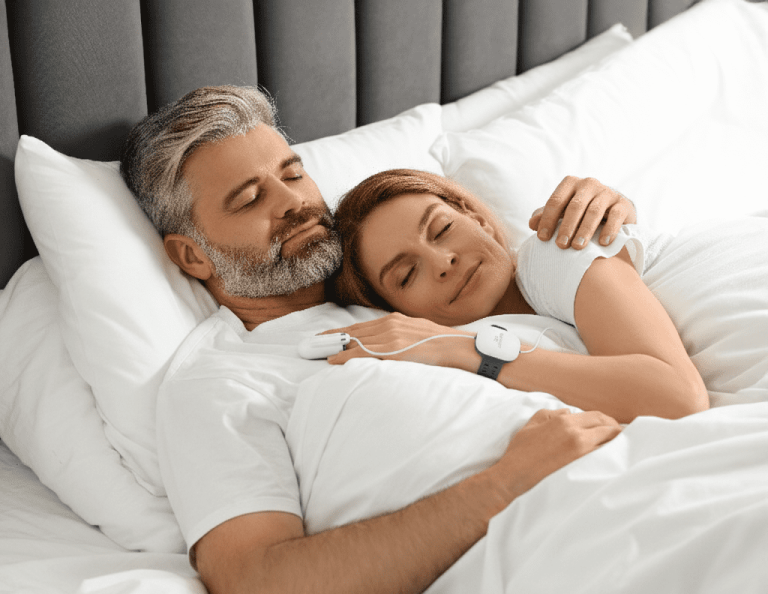
10% off Home Sleep Tests
Buy Now“Truly grateful for this home sleep test. Fair pricing and improved my sleep!”
Dawn G. – Verified Tester

Simple and convenient
- Equipment delivered to your doorstep
- One overnight test in the comfort of your own bed

Uncover sleep apnea
- Quietly collects data while you sleep
- 98% effective in detecting sleep apnea

Affordable & ships fast
- Arrives in 2-4 business days
- In-lab sleep tests cost ~$3,000+ (this one’s $189), HSA/FSA eligible


Types of Sleep Apnea
First, understanding the three main types of sleep apnea is important for finding the right treatment and managing symptoms effectively, as they each have different causes.
- Obstructive Sleep Apnea (OSA): The most common form, OSA occurs when the muscles in the throat relax too much during sleep, causing the airway to collapse and block airflow.
- Central Sleep Apnea (CSA): Less common than OSA, CSA happens when the brain fails to send consistent signals to the muscles that control breathing.
- Complex or Mixed Sleep Apnea: This type is a combination of obstructive and central sleep apnea and is often discovered during CPAP therapy for OSA.
Common Symptoms of Sleep Apnea
A variety of symptoms can develop in people with sleep apnea and can vary based on the severity of a person’s sleep apnea and the type of sleep apnea a person has. Sometimes a person’s bed partner notices the symptoms of OSA. In other cases, a person with undiagnosed OSA notices changes in their sleep quality or how well they function during the day.
Pauses in Breathing
Frequent pauses in breathing are a defining symptom of sleep apnea. These interruptions, known as apneas, occur when airflow is partially or completely blocked during sleep. Each pause can last 10 seconds or longer and may happen anywhere from a few times per hour to hundreds of times throughout the night, depending on the severity of the condition.
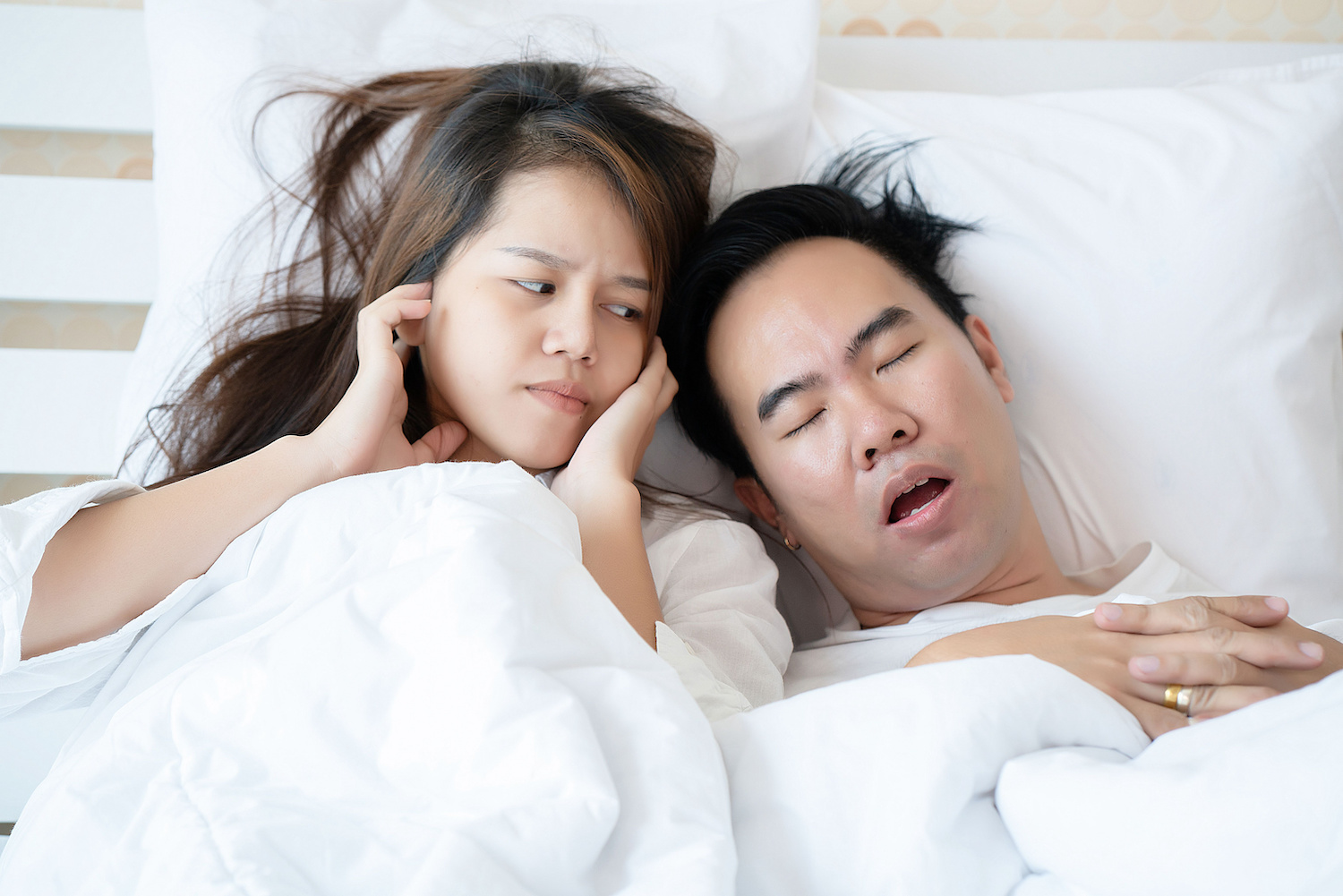
Although the sleeper is often unaware of these events, a bed partner may notice them, often accompanied by gasping, choking, or snorting sounds as breathing resumes. These frequent disruptions can lead to fragmented sleep, lower oxygen levels, and long-term health consequences if left untreated.
Loud Snoring
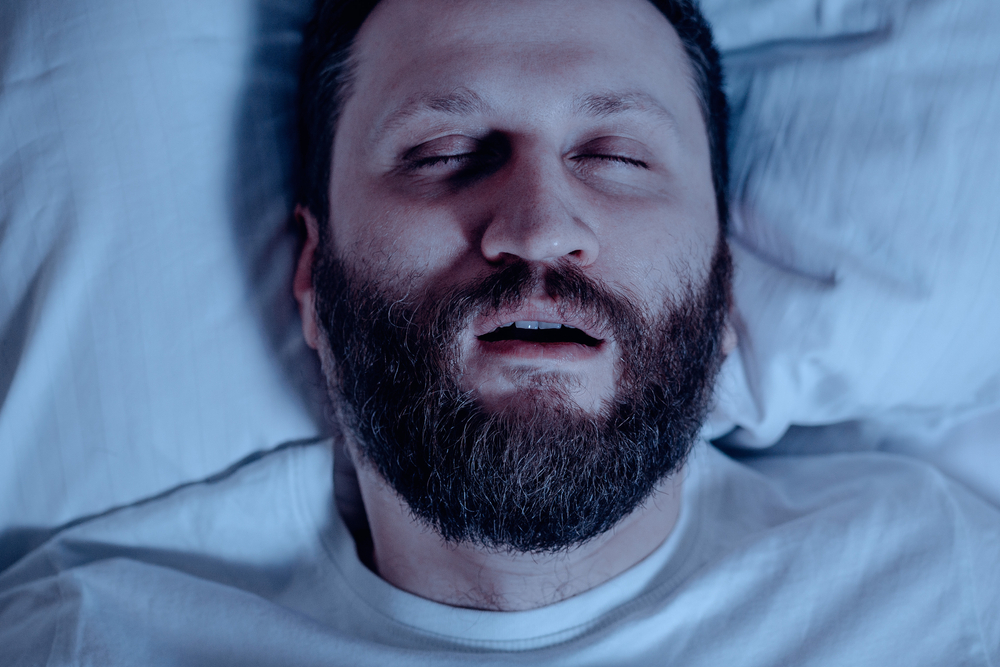
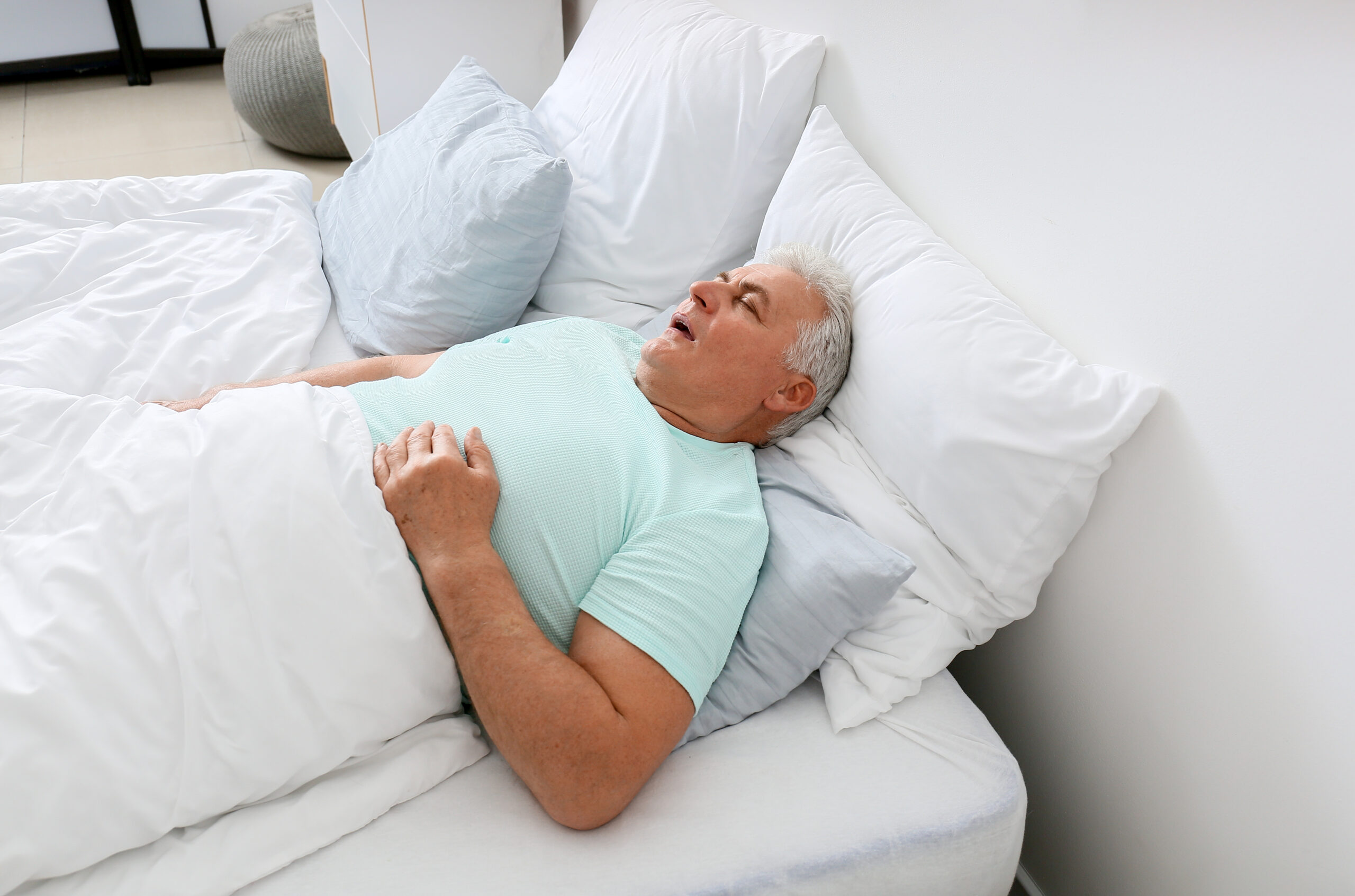
Loud snoring is one of the most common symptoms of OSA. While many people snore occasionally, not all people that snore have sleep apnea.
Snoring happens when air passes through narrowed soft tissues of the upper airway causing vibration of the uvula and soft palate. The flapping of soft tissues coming into contact with each other can cause rumbling and other sounds associated with snoring. Aside from sleep apnea, there are many other possible causes of snoring.
Loud snoring alone is not enough to make a diagnosis of sleep apnea. Doctors review a person’s health history and ask questions to understand their sleep health which often includes talking with a bed partner. A sleep study is typically ordered if a doctor suspects sleep apnea.
Choking or Gasping for Air
People with obstructive sleep apnea may gasp for air or choke leading to interruptions in breathing. In rare cases, a person may wake struggling to breathe. The choking or gasping that is commonly associated with sleep apnea may only be noticeable to a bed partner.
Research suggests that gasping or choking during sleep may be one of the most important signs that a person needs to be referred for a sleep study.
Daytime Sleepiness
Difficulty staying awake during the day is another common symptom of sleep apnea. Daytime sleepiness most commonly manifests during situations like reading a book, being a passenger in a car, or attending a meeting where you are not presenting.
Daytime sleepiness is different from fatigue, which is generally described as having low mental or physical energy to make it challenging to get through the day. People with obstructive sleep apnea might have fatigue along with symptoms of daytime sleepiness. However, it's daytime sleepiness, and not fatigue, that's one of the hallmark symptoms of OSA.
Morning Headaches
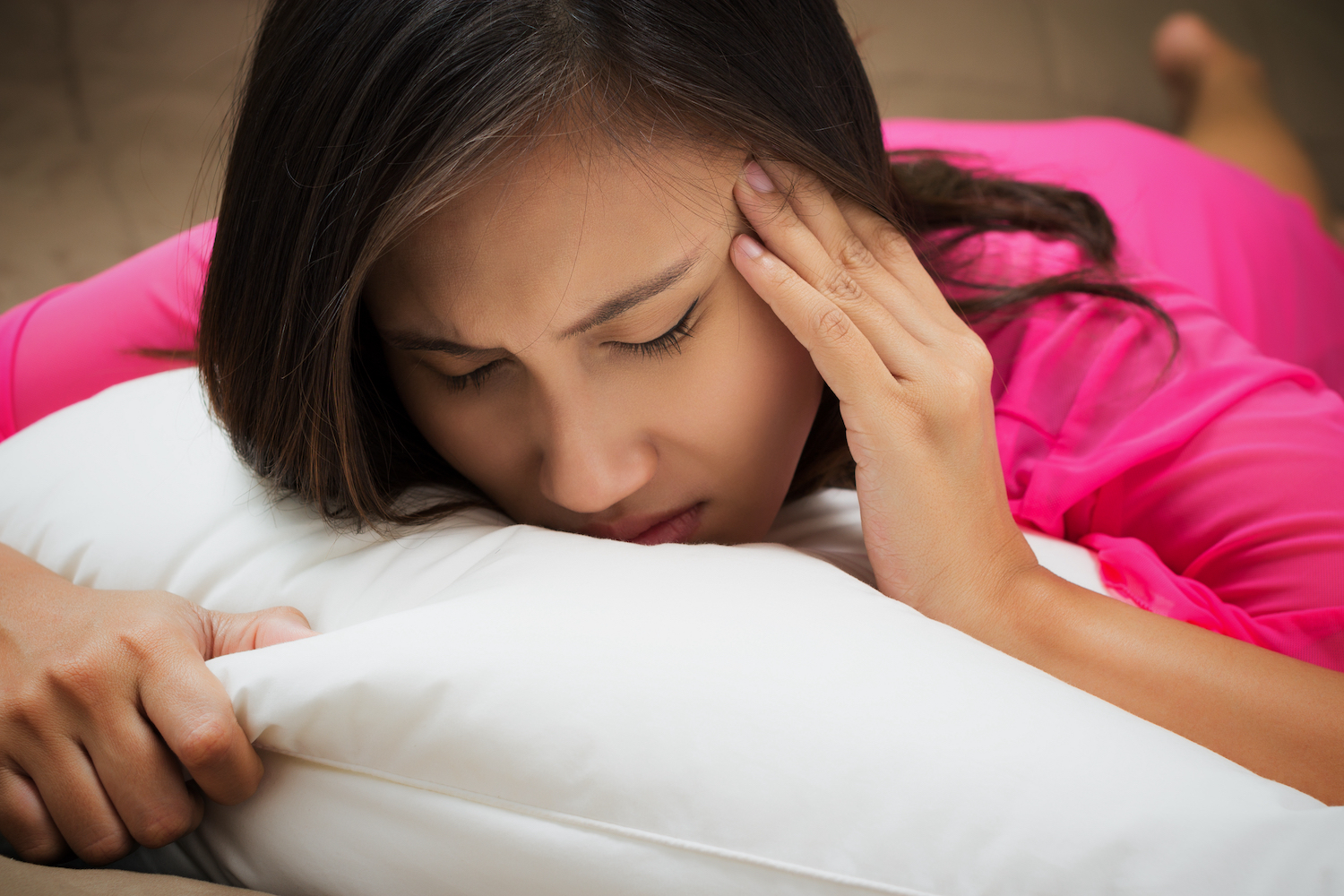
Morning headaches are common in sleepers affected by untreated obstructive sleep apnea. Up to 30% of people with obstructive sleep apnea report waking up with headaches.
Headaches associated with OSA typically occur most, if not all, days and can last for a few hours after waking up. Pain usually occurs in the front part of the head on both sides and can feel like the head is being squeezed.
Dry Mouth
Waking up with a dry mouth is a common symptom of sleep apnea, particularly in people who breathe through their mouths during sleep. Mouth breathing can occur when the airway becomes partially blocked, forcing the sleeper to open their mouth to compensate.
Dry mouth may feel like a sticky or parched sensation in the morning and can be accompanied by a sore throat or hoarseness. Over time, chronic dry mouth can increase the risk of dental issues like cavities, gum disease, and bad breath due to reduced saliva production.
Other Symptoms
Other symptoms may develop in people with untreated OSA. These symptoms include the frequent need to urinate at night, difficulty staying asleep, and changes in thinking and mood.
- Frequent urination: People with OSA may urinate frequently during the night if they wake repeatedly because of breathing interruptions.
- Nighttime awakenings: Roughly one-third of people with sleep apnea have a hard time staying asleep and wake many times throughout the night. This symptom occurs more often in women with sleep apnea.
- Cognitive changes: OSA can lead to changes in mood and how well the mind functions. Symptoms can include irritability, depression, and moodiness as well as trouble with memory, attention, and learning.
Risk Factors for Sleep Apnea
Sleep apnea can affect people of all ages and body types, but certain factors significantly raise the risk of developing the condition. Understanding these risk factors can help identify those who may benefit from a sleep study or further evaluation.
- Excess weight: Obesity is one of the strongest risk factors for obstructive sleep apnea (OSA). Fat deposits around the neck and upper airway can obstruct breathing during sleep.
- Neck circumference: A thicker neck may indicate a narrower airway, increasing the chances of airway blockage.
- Age: Sleep apnea is more common in adults over 40, though it can occur at any age.
- Gender: Men are more likely to develop sleep apnea than women, though the risk for women increases after menopause.
- Family history: Having relatives with sleep apnea can increase your likelihood of developing it due to inherited physical traits or medical conditions.
- Alcohol or sedative use: These substances relax the muscles in the throat, making airway collapse more likely during sleep.
- Smoking: Tobacco use increases inflammation and fluid retention in the upper airway.
- Nasal congestion: Whether from allergies or structural issues, difficulty breathing through the nose can contribute to sleep apnea.
- Medical conditions: Certain conditions such as high blood pressure, type 2 diabetes, hypothyroidism, and polycystic ovary syndrome (PCOS) are associated with a higher risk of sleep apnea.
While having one or more of these risk factors doesn’t guarantee you’ll develop sleep apnea, it’s a good reason to pay close attention to potential symptoms and talk to a healthcare provider if concerns arise.
How Symptoms Differ for Women
Sleep apnea is often underdiagnosed in women, partly because their symptoms can differ from the classic signs typically seen in men. While men are more likely to report loud snoring and obvious pauses in breathing, women with sleep apnea may experience more subtle or atypical symptoms, including:
- Insomnia or trouble staying asleep
- Morning headaches
- Daytime fatigue or low energy
- Mood changes, such as depression or anxiety
- Nighttime awakenings with a feeling of choking or gasping
- Restless sleep
Hormonal differences may play a role in how sleep apnea presents in women, particularly during menopause when the risk of sleep-disordered breathing increases. Because the symptoms can resemble other conditions — like stress, hormonal changes, or mental health issues — sleep apnea in women may go unrecognized for longer periods.
Symptoms in Children
Obstructive sleep apnea develops in less than 5% of children and is most frequently diagnosed in children between the ages of 2 and 6 years old. Children experience many of the same symptoms of obstructive sleep apnea as adults, including:
- Loud snoring
- Pauses in breathing
- Coughing or choking during sleep
- Morning headaches
- Daytime sleepiness
While children and adults experience some of the same symptoms of OSA, a handful of symptoms are unique to children with sleep apnea. For example, instead of manifesting sleepiness during the day, children often show signs of hyperactivity. Children may misbehave or struggle in school due to difficulty controlling their behavior and paying attention. Bedwetting, sleepwalking, and sleep terrors can also arise in children with OSA.
When to See a Doctor
If you or a bed partner notice the symptoms of sleep apnea, talk to your healthcare provider. They may ask you a series of questions about your sleep and health history or order a sleep study to determine the cause of any sleep disturbances.
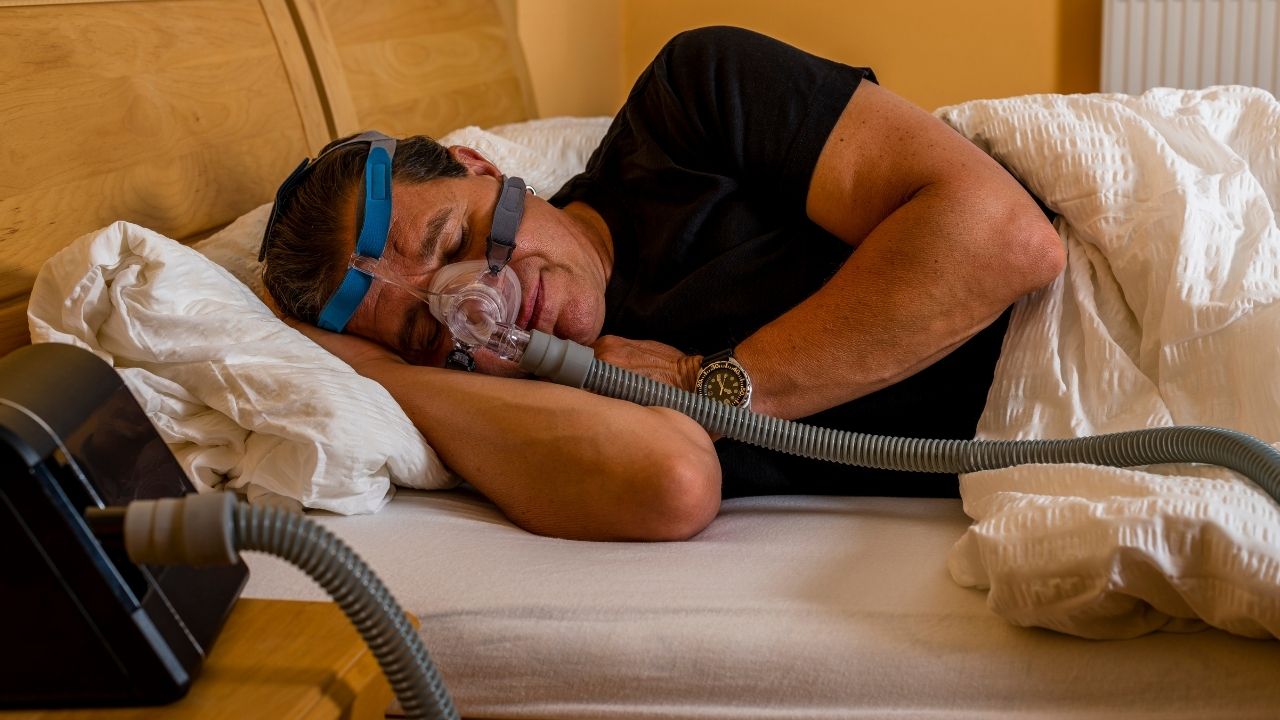
If you receive a diagnosis of sleep apnea, then your health care provider may talk with you about making lifestyle changes. You may also benefit from using a CPAP machine or another treatment for sleep apnea.
It's important to regularly check in with a health care provider to discuss whether or not treatment is helping your symptoms and if any other sleep issues develop.
Frequently Asked Questions
Silent symptoms of sleep apnea are less obvious signs that often go unnoticed or are attributed to other issues. These include frequent morning headaches, difficulty concentrating, mood swings, irritability, dry mouth upon waking, and chronic fatigue despite a full night’s sleep. Many people are unaware they stop breathing at night, so these daytime symptoms can be critical clues.
Undiagnosed sleep apnea often feels like you're never fully rested. People may struggle with persistent tiredness, brain fog, irritability, or falling asleep during the day — even after spending eight hours in bed. Some may also wake up frequently at night without knowing why, or experience unexplained headaches and low energy that impact daily life.
Sleep apnea shares symptoms with several other conditions, including insomnia, depression, anxiety, chronic fatigue syndrome, and even menopause. Because of overlapping signs like poor sleep, low energy, and mood changes, sleep apnea is sometimes misdiagnosed or overlooked — especially in women or people who don’t snore loudly. A sleep study is the best way to confirm whether sleep apnea is the cause.

Still have questions?
Sleep apnea products can be confusing. If you need individualized assistance, post your question to the Sleep Doctor forum.

Written by
Martinique Edwards, Contributing WriterMartinique writes content focused on sleep health, science, and trends. She graduated from the University of Georgia with a bachelor’s degree in Ecology and master’s degree in Environmental Health and has research experience in environmental microbiology and aquatic science. Martinique loves to view the world through an ecological lens, where everything is interconnected. In her free time, she enjoys outdoor activities such as running and parkour.

Reviewed by
Joseph Krainin, MD, FAASM, Medical ReviewerDr. Krainin graduated with honors from Amherst College and then attended Tufts University for medical school. He completed a fellowship in Sleep Medicine at the prestigious Michael S. Aldrich Sleep Disorders Center of the University of Michigan, Ann Arbor and is board-certified in both neurology and sleep medicine. Seeing a need for more efficient, patient-centric sleep care, he launched Singular Sleep, the first-ever virtual sleep center, in 2015.