At a Glance
Snoring in women can be triggered by several factors, including hormonal changes (such as pregnancy or menopause), nasal congestion, weight gain, and structural airway differences that narrow breathing passages during sleep. In some cases, persistent snoring may also signal obstructive sleep apnea, a sleep disorder that causes repeated breathing interruptions and should be evaluated by a healthcare provider.
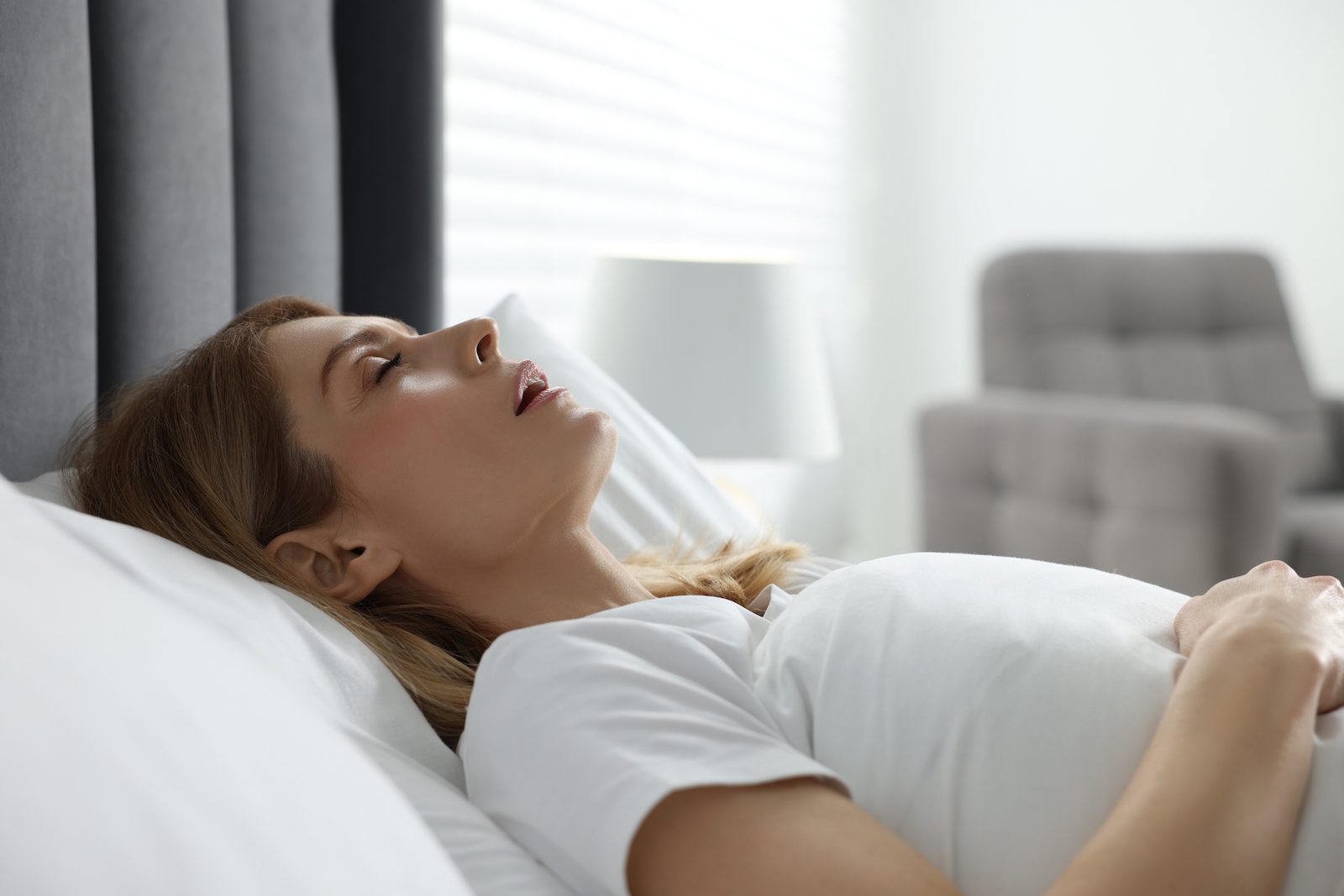
Snoring, which happens when breathing causes the tissues in the airway to vibrate during sleep, is common in women and people assigned female at birth. In fact, almost every woman snores on occasion, and around 28% of adult women snore on a regular basis.
After someone falls asleep, muscles in their nose, mouth, and throat naturally relax. As these tissues soften and narrow the airway, they become more likely to vibrate. Many factors can exacerbate this process and increase the chances of snoring.
Common Causes of Snoring in Women
In women, snoring often goes underreported or misunderstood, but it can lead to symptoms like daytime fatigue, morning headaches, dry mouth, or frequent nighttime awakenings. While snoring may stem from temporary factors like allergies or colds, it can also be caused by anatomical differences, weight gain, or hormonal changes.
Pregnancy
Pregnancy can increase the likelihood of snoring, especially in the second and third trimesters. More than 30% of women begin snoring during their second trimester. Snoring becomes even more common during the third trimester and typically resolves after delivery.
Hormonal changes lead to increased blood volume and swelling in the nasal passages, making it harder to breathe through the nose. At the same time, weight gain and pressure on the diaphragm can further restrict airflow during sleep, contributing to snoring. For some pregnant people, snoring may also signal a more serious condition, like gestational sleep apnea.
Menopause
Hormonal shifts during menopause can play a significant role in snoring. As estrogen and progesterone levels decline, muscle tone in the airway may weaken, making it more prone to partial collapse during sleep. This increases the likelihood of snoring and even obstructive sleep apnea (OSA).
Women may also experience changes in body weight and sleep patterns during this time, as well as symptoms like hot flashes, difficulty sleeping, and weight gain. These changes can cause or exacerbate snoring.
Nasal Congestion
Blocked nasal passages—whether from allergies, sinus infections, or structural issues like a deviated septum—can force mouth breathing during sleep, a common cause of snoring. When air has difficulty moving through the nose, it creates more vibration in the throat tissues, leading to louder snoring.
Obstructive Sleep Apnea (OSA)
Snoring is one of the most noticeable symptoms of obstructive sleep apnea, a condition where the airway repeatedly collapses or becomes blocked during sleep. In women, OSA may present differently than in men and is sometimes underdiagnosed. Alongside snoring, women with sleep apnea might experience insomnia, fatigue, headaches, or mood changes. Left untreated, OSA can have serious health consequences, including high blood pressure, heart disease, and increased daytime sleepiness.
Overweight and Obesity
Carrying excess weight, particularly around the neck and upper airway, increases the risk of snoring. Extra soft tissue can press on the airway during sleep, narrowing the passage and making airflow more turbulent. This causes the vibrations that produce snoring. Weight gain during or after menopause may also contribute to snoring and sleep-disordered breathing in women.
Smoking, Alcohol, and Sedatives
Lifestyle habits like smoking and alcohol use can significantly contribute to snoring. Smoking irritates and inflames the airway, increasing the chance of obstruction. Alcohol and sedatives relax the muscles in the throat, making it easier for tissues to collapse and vibrate during sleep.
Snoring? It Could Be a Sign of Something More Serious

our partner at sleepdoctor.com
10% off Home Sleep Tests
Buy Now“Truly grateful for this home sleep test. Fair pricing and improved my sleep!”
Dawn G. – Verified Tester

Simple and convenient
- Equipment delivered to your doorstep
- One overnight test in the comfort of your own bed

Uncover sleep apnea
- Quietly collects data while you sleep
- 98% effective in detecting sleep apnea

Affordable & ships fast
- Arrives in 2-4 business days
- In-lab sleep tests cost ~$3,000+ (this one’s $189), HSA/FSA eligible


How to Stop Snoring
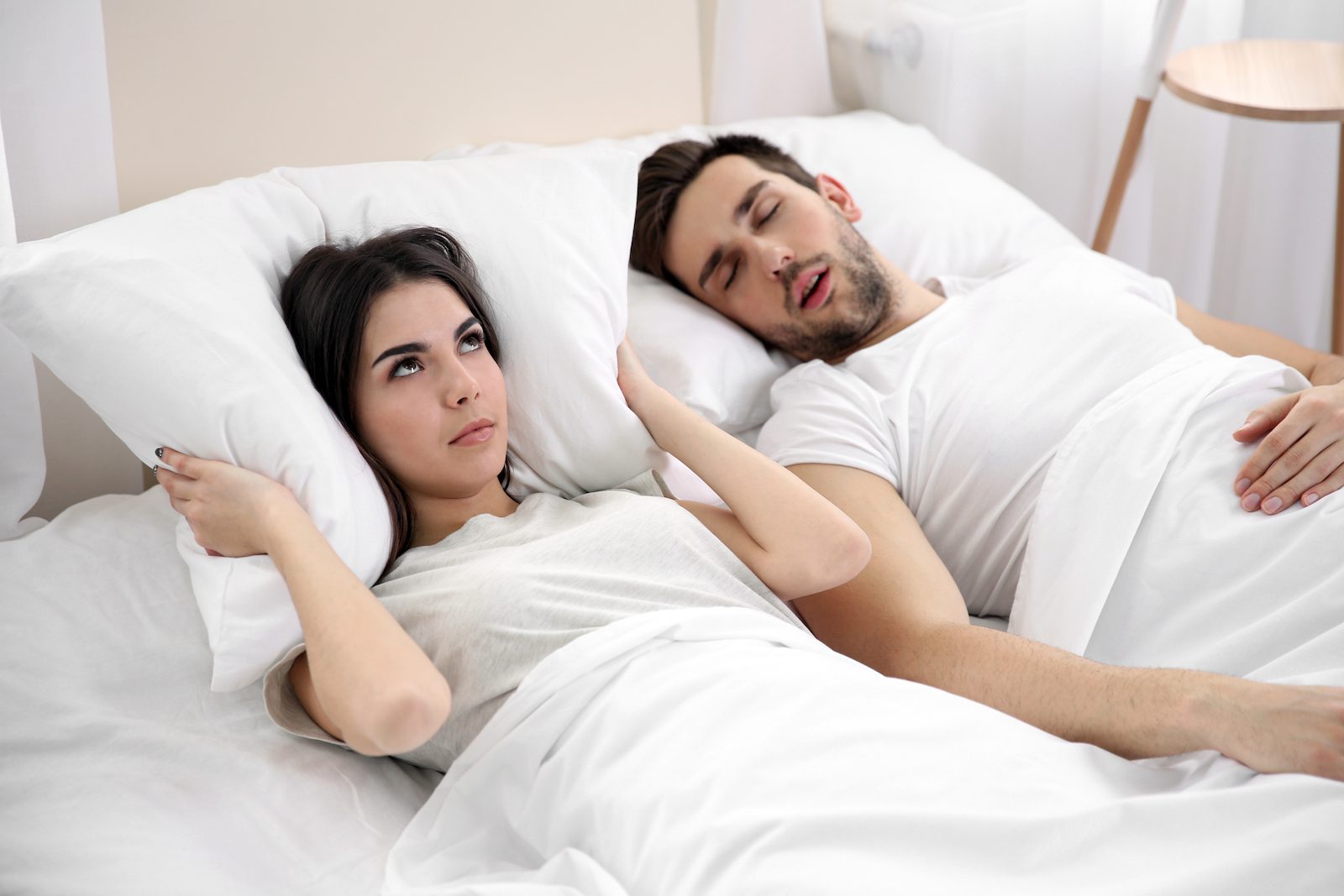
Snoring can be a source of frustration for women and their bed partners alike. To stop snoring, experts recommend several strategies:
- Avoid triggers: Consider refraining from drinking alcohol or smoking before bed and talk to a doctor about whether your medications may be contributing to snoring.
- Address nasal congestion: Treating a stuffy nose may help reduce snoring. Try breathing in the steam from a shower, using a nasal wash, or talking to a doctor about the right medication to treat persistent congestion.
- Change your sleeping position: For some people, snoring is worse when sleeping on their back. To reduce snoring, people can instead try to sleep on their side.
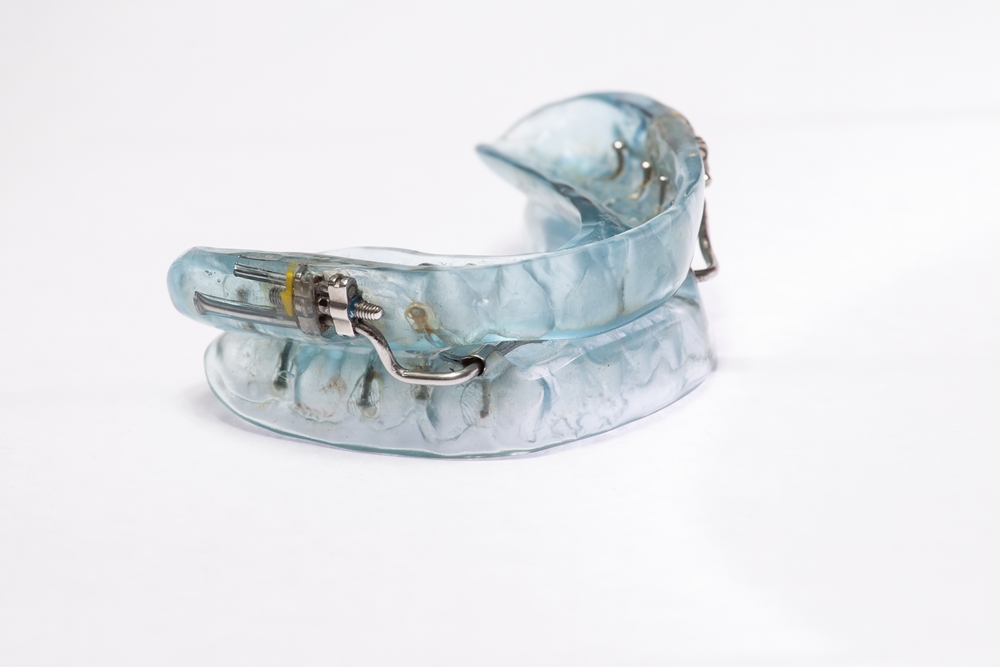
- Try a nasal strip or mouthpiece: Nasal strips help to keep the nasal passages open during sleep, while snoring mouthpieces are fitted by a dentist and shift tissues in the mouth and airway to expand the airway.
It’s also important for women who snore to talk to their doctor. Doctors can determine the cause of snoring and recommend treatments and lifestyle changes, which may also include weight loss for those with obesity, mouth exercises, or a CPAP device.
When to Talk to a Doctor
While occasional snoring may not be cause for concern, women who snore regularly—especially if it's loud, disruptive, or accompanied by symptoms like gasping, choking, daytime fatigue, or morning headaches—should talk to a doctor. These signs could indicate an underlying sleep disorder like OSA, which is often underdiagnosed in women.
Hormonal changes, weight gain, and aging can all increase the risk of sleep-disordered breathing. If snoring affects your quality of sleep or that of your partner, a healthcare provider or sleep specialist can help determine the cause and recommend appropriate testing or treatment options.
Medical Disclaimer: This content is for informational purposes and does not constitute medical advice. Please consult a health care provider prior to starting a new treatment or making changes to your treatment plan.
Frequently Asked Questions
Snoring in women is common and is not always a cause for concern. However, snoring can be a sign of obstructive sleep apnea. In people with OSA, nighttime snoring may become frequent, loud, and can be interrupted by short pauses in breathing. Other symptoms of sleep apnea include daytime sleepiness, mood changes, frequent awakenings, and morning headaches.
Women with symptoms of sleep apnea should talk with a doctor as sleep apnea can make it difficult to get enough rest and increases the risk of a variety of long-term health issues.
In general, men are more likely to snore than women. This is partly due to anatomical differences: Men tend to have narrower airways and more soft tissue in the throat, which can contribute to snoring. However, women’s risk increases with age, especially after menopause, and snoring in women is often underreported or overlooked.
Snoring can be a symptom associated with menopause. As estrogen and progesterone levels drop, the muscles that help keep the airway open during sleep may weaken, increasing the likelihood of snoring and sleep-disordered breathing. Menopausal weight gain and changes in sleep patterns can also contribute to new or worsening snoring.
Dehydration can make snoring worse. When the body is dehydrated, mucus in the airways becomes thicker and stickier, which can partially block airflow and increase tissue vibration during breathing. Staying well-hydrated can help keep the airway lubricated and reduce the intensity of snoring.

Still have questions?
Sleep apnea products can be confusing. If you need individualized assistance, post your question to the Sleep Doctor forum.

Written by
Tochukwu Ikpeze, MD, Contributing WriterTochukwu grew up in New York and has a passion for creative and scientific writing. Tochukwu holds an undergraduate degree in Biology and Psychology, a Master’s degree in Biomedical Science, and a Medical Degree as well. In his free time, Tochukwu enjoys reading, learning, exploring various topics pertaining to the human condition and conveying that information to the public through writing.

Reviewed by
Dustin Cotliar, MD, Medical ReviewerDustin Cotliar holds a medical degree from the State University of NY (SUNY) Downstate College of Medicine, and a master’s in public health from Columbia University, where he focused on healthcare policy and management. He is board-certified in Emergency Medicine, with over eight years of practice that includes emergency medicine, urgent care, and telemedicine.