At a Glance
Mouth taping is a trend intended to encourage nasal breathing during sleep and may help reduce snoring or dry mouth for some people who breathe through their mouths. However, scientific evidence is limited, and the practice may cause skin irritation, breathing difficulties, or worsen sleep apnea in certain individuals, so it should only be considered with medical guidance.
Mouth taping is a growing trend promoted as a way to reduce snoring and encourage nasal breathing during sleep. Supporters claim it can improve sleep quality, boost oxygen intake, and even benefit oral health. However, research on mouth taping is limited, and the practice may not be safe or effective for everyone. Understanding the potential benefits, risks, and alternatives can help you decide whether mouth taping is worth considering.
What Is Mouth Taping?
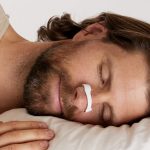
Mouth taping involves placing a piece of specially designed, skin-safe tape over the lips before going to sleep. The tape is meant to gently keep the mouth closed, reducing mouth breathing during the night. Unlike medical or household tapes, mouth tape is typically made with breathable, hypoallergenic materials that are easier to remove in the morning without irritating the skin.
What Does Mouth Taping Do?
The main purpose of mouth taping is to encourage nasal breathing while you sleep. Breathing through the nose helps filter, warm, and humidify the air you inhale, which can reduce dryness in the mouth and throat. Some people also report less snoring, improved sleep quality, and better oral health when avoiding mouth breathing. However, scientific evidence supporting these benefits is still limited.
Snoring or Sleep Apnea? Test for as Low as $0
Sleep Doctor’s home sleep study provides answers — no lab visit required. Most major insurance plans accepted.

Benefits of Mouth Taping
By gently encouraging nasal breathing, mouth taping may help reduce snoring, limit nighttime dry mouth, and support healthier oxygen flow. While early research and anecdotal reports are promising, it’s important to remember that these benefits are not yet well-established in clinical studies.
May Reduce Snoring
Some small studies suggest that mouth taping may help reduce snoring. These studies used a porous tape or patch to hold the mouth closed. Mouth breathing during sleep may exacerbate snoring, and mouth taping may encourage nasal breathing instead.
The research about mouth taping and snoring has focused on people with mild obstructive sleep apnea (OSA), a sleep-related breathing disorder with loud snoring as a common symptom. While studies suggest a possible benefit, more evidence is needed to know if mouth taping can consistently stop snoring for most people.
Helps Reduce CPAP Mask Leak
For people who use CPAP therapy, mouth taping may help reduce mask leaks. When the mouth opens during sleep, air from the CPAP machine can escape, leading to reduced treatment effectiveness and uncomfortable dryness.
By keeping the lips gently sealed, mouth tape can limit these leaks and help maintain a more consistent air pressure. This may be especially useful for CPAP users who wear nasal masks or nasal pillows, though it’s important to confirm safety with a doctor before trying mouth tape as part of CPAP therapy.
What Mouth Taping Can't Do
No studies have shown that mouth taping can prevent or resolve other health problems. Although mouth breathing has been associated with several health issues, including dental problems, changes to lung function, and alterations of oxygen levels in the brain that may affect thinking, more research is needed about whether mouth taping at night would have any effect on those issues.
Is Mouth Taping Safe?
Mouth taping is generally marketed as a safe, low-risk practice, but it may not be appropriate for everyone. While some people use it without problems, experts caution that there isn’t enough research to confirm its effectiveness or long-term safety.
Potential risks include difficulty breathing if your nose becomes congested during the night, skin irritation from adhesive, or accidentally using tape not designed for medical use, which can be too strong or unsafe for the skin.
There's a risk of side effects. In one study using porous tape, the most common side effects of mouth taping included:
- Discomfort
- Lip soreness
- Difficulty breathing
- Perception of suffocation
- Sleep disruption
- Embarrassment
Harsh tape that isn't appropriate for skin may worsen side effects, including irritation and pain, particularly when removing the tape. Although uncommon, allergic reactions to tape are possible.
Mouth taping is not recommended for people with obstructive sleep apnea, chronic nasal congestion, or underlying breathing difficulties, as restricting the mouth can make these conditions worse. If you’re curious about trying mouth taping, talk to a doctor or sleep specialist first to make sure it’s safe for you.


How to Use Mouth Tape for Snoring
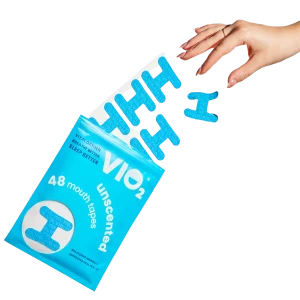
When mouth taping for snoring, it's important to select appropriate tape. Mouth tape should be porous, adhere lightly to the skin, and be easy to remove. Strong tape or industrial tape, including duct tape, should never be used.
Unfortunately, not enough research has been conducted to create recommendations about the best way to use mouth tape. In one study, a thin strip of silicon tape was used to connect the top and bottom lips near the center of the mouth. Trying out different methods of mouth taping while awake may identify what’s most comfortable and effective.
For many people, mouth tape works best when combined with other healthy sleep practices, such as sleeping on your side, keeping nasal passages clear, and avoiding alcohol close to bedtime. While taping may reduce mild snoring by encouraging nasal breathing, it isn’t a substitute for medical treatment if snoring is loud, frequent, or linked to sleep apnea. In those cases, it’s best to consult a doctor before trying mouth tape.
Alternatives to Mouth Tape
Many approaches besides mouth taping can be effective in decreasing snoring.
- Avoid back sleeping: Sleeping on your back is most likely to induce snoring, so it can help to only sleep on your side or stomach. Various products are designed to help maintain a preferred sleep posture.
- Apply nasal strips: Snoring strips can be placed over the bridge of your nose to facilitate nasal breathing during sleep.
- Use a decongestant: If you are breathing through your mouth because of allergies or a stuffed-up nose, ask your doctor about medication to reduce congestion.
- Don’t smoke: Smoking cigarettes is associated with snoring, so quitting smoking may decrease snoring and offer other health benefits.
- Avoid alcohol and sedatives: Alcohol and sedative drugs can lower muscle tone in the mouth and throat, narrowing the airway and making snoring more likely.
- Maintain a healthy weight: Having obesity can restrict airflow through the upper airway and make snoring more likely.
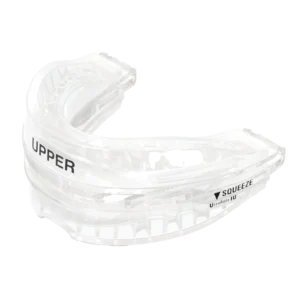
- Sleep with an oral appliance: Talk to your dentist about a custom-fitted mouthpiece that holds the tongue or jaw in a position that decreases snoring. Oral appliances using elastics to limit mouth opening and mouth breathing are helpful in snoring reduction.
- Work with a doctor: Some causes of snoring, including OSA, should be addressed by a doctor. If you have frequent or loud snoring or other sleep disruptions, ask your doctor about appropriate testing and treatment.
Frequently Asked Questions
Some dentists acknowledge that nasal breathing is better for oral health, since mouth breathing can contribute to dry mouth, cavities, and gum issues. However, most dentists do not formally recommend mouth taping because research on its safety and effectiveness is still limited. If you’re considering it for oral health benefits, it’s best to consult both your dentist and doctor first.
Mouth taping is not safe for everyone. People with obstructive sleep apnea, chronic nasal congestion, allergies, or other breathing difficulties should avoid it. Children, pregnant people, and anyone with sensitive skin or adhesive allergies should also steer clear. Always check with a doctor before starting.
No scientific evidence supports the idea that mouth taping can reshape your jawline. While some social media claims suggest benefits like a slimmer face or improved jaw structure, these are not backed by research. Mouth taping may help reduce snoring or mild mouth breathing, but it won’t change your facial appearance.
Medical Disclaimer: This content is for informational purposes and does not constitute medical advice. Please consult a health care provider prior to starting a new treatment or making changes to your treatment plan.

Written by
Tochukwu Ikpeze, MD, Contributing WriterTochukwu grew up in New York and has a passion for creative and scientific writing. Tochukwu holds an undergraduate degree in Biology and Psychology, a Master’s degree in Biomedical Science, and a Medical Degree as well. In his free time, Tochukwu enjoys reading, learning, exploring various topics pertaining to the human condition and conveying that information to the public through writing.

Reviewed by
Howard J. Hoffman, DDS, Medical ReviewerDr. Howard J. Hoffman is a dentist specializing in dental sleep medicine and the treatment of obstructive sleep apnea and temporomandibular joint (TMJ) disorders. With more than four decades of experience in dentistry and over 25 years focused on sleep apnea treatment, he works with physicians and sleep specialists to help patients manage sleep-disordered breathing using oral appliance therapy.