At a Glance
Snoring isn’t always harmful on its own, but frequent or loud snoring can affect sleep quality, increase health risks, and sometimes signal a more serious condition like obstructive sleep apnea.
Nearly everyone snores at least occasionally, and many adults snore regularly. Snoring occurs when the soft tissues in a person’s nose or throat vibrate as they breathe. Depending on the severity of the snoring, it can produce sounds that range from soft rasping to loud snorting.
Snoring can be harmless, aside from its potential to disrupt the sleep of bed partners or roommates. That said, snoring also may be a sign of one or more potentially serious health conditions. Below, we'll discuss what causes snoring, when to talk to your doctor about snoring, and you can do to reduce snoring.
Snoring? It Could be a Sign of Something More Serious

our partner at sleepdoctor.com
10% off Home Sleep Tests
Buy Now“Truly grateful for this home sleep test. Fair pricing and improved my sleep!”
Dawn G. – Verified Tester

Simple and convenient
- Equipment delivered to your doorstep
- One overnight test in the comfort of your own bed

Uncover sleep apnea
- Quietly collects data while you sleep
- 98% effective in detecting sleep apnea

Affordable & ships fast
- Arrives in 2-4 business days
- In-lab sleep tests cost ~$3,000+ (this one’s $189), HSA/FSA eligible


What Causes Snoring?
Snoring happens when the amount of air being pulled through the upper airway exceeds the maximum capacity of the posterior nasopharynx. This produces a phenomenon known as “turbulence,” or uneven flow, and the resulting vibration creates noise. In some cases, snoring is simply the result of gravity pushing the tongue into the throat after a person falls asleep and their muscles relax. Other indirect causes of snoring include:
- Polyps in the nose
- Nasal congestion
- Fatty tissue in the neck
- Damage to the bone or cartilage that separates the nostrils
- Swelling in the structures of the mouth or throat, such as the uvula, tonsils, or adenoids
- Anatomical abnormalities in the nose, throat, or mouth
Some people are at increased risk of snoring, including older individuals and males or people assigned male at birth. Obesity, allergies, and pregnancy also make it more likely that a person will snore.
Is Snoring Bad?
Snoring may not be anything to worry about, but as snoring becomes more frequent or louder, it has greater potential to negatively affect your health and quality of life.
Not only can snoring disrupt other people’s sleep, but it can also cause you to wake up more frequently. In addition to causing daytime tiredness, low-quality sleep can increase your risk of having a car or occupational accident, make you more susceptible to illness and infection, and contribute to the development of heart disease, diabetes, and depression.
Is Snoring Bad for Your Heart?
Research suggests that habitual snoring is associated with cardiovascular risk, though it’s not always clear whether snoring is a direct cause or a marker of underlying problems like sleep apnea.
One of the strongest heart-related links is with high blood pressure, a major risk factor for heart disease and stroke. One study found that people who spent more time snoring had higher odds of uncontrolled hypertension.
Research has also found associations between snoring and cardiovascular disease. In a Hungarian study, loud snoring with breathing pauses was associated with higher reported rates of hypertension, heart attack (myocardial infarction), and stroke, even after adjusting for factors like age, BMI, diabetes, smoking, and alcohol use.
Another large U.S. survey analysis found that people who reported snoring had higher odds of coronary artery disease, though not stroke.
Is Snoring Bad for Your Relationship?
Snoring can strain a relationship, especially when it regularly disrupts a partner’s sleep. Ongoing sleep disturbance may lead to irritability, fatigue, and resentment over time, which can affect communication, intimacy, and overall relationship satisfaction.
Snoring can also result in partners sleeping in separate rooms, a choice that may help protect sleep but can feel emotionally distancing for some couples.
Is Snoring Always Bad?
Snoring is not always harmful. Occasional, mild snoring—such as during a cold, allergy flare, or after drinking alcohol—is common and usually not a cause for concern.
However, frequent, loud, or worsening snoring may signal an underlying problem, especially if it’s accompanied by symptoms like gasping or choking during sleep, pauses in breathing, or excessive daytime sleepiness. In those cases, snoring may be a sign of obstructive sleep apnea or another sleep-related condition and should be evaluated by a healthcare provider.
Does Snoring Mean Sleep Apnea?
Snoring is one of the most common symptoms of obstructive sleep apnea (OSA), a disorder that causes repeated pauses in breathing during sleep. But not everyone who snores has the condition. Many people snore occasionally or lightly without experiencing repeated pauses in breathing or drops in oxygen levels.
That said, it’s important to see a healthcare provider if your snoring is accompanied by symptoms of OSA, including:
- Loud snoring, punctuated by silences that end in gasping or snorting
- Daytime tiredness
- Headaches in the morning
- Difficulty concentrating or paying attention
- Memory problems
- New onset of high blood pressure
- Teeth grinding or clenching

Can Snoring Be Treated?
It is possible to reduce, if not eliminate, snoring. There are many possible measures you can take to limit snoring, ranging from home remedies to oral appliances to surgery. The cause of the snoring and its severity can help determine which measures are most appropriate and effective.
- Change your sleeping position: Back sleeping increases the likelihood of snoring, so sleeping on your side—or even just turning your head to one side—may help reduce snoring.
- Avoid alcohol and tobacco: Alcohol and smoking can both contribute to snoring, so experts recommend that you avoid both.
- Use nasal strips: Over-the-counter nasal strips hold the nostrils open, which may decrease the frequency and intensity of snoring.
- Try upper airway exercises: Regularly performing exercises that target the mouth, throat, and face may improve snoring. These exercises are typically taught by a specialist called a myofunctional therapist.
- Lose weight: If you have overweight or obesity, you're likely to snore less if you lose weight.
- Reduce congestion: For short-term sinus infections, irrigating your nose with saline solution or using a decongestant spray may help reduce snoring. If you experience long-term congestion, you might benefit from using a nasal steroid spray.
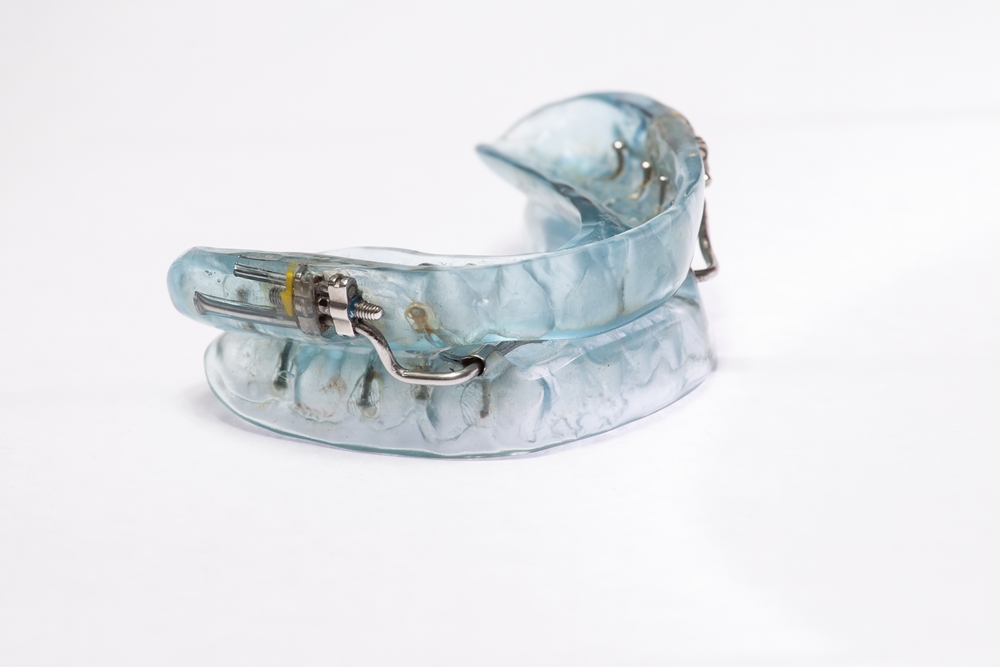
- Use an oral appliance: A dentist can fit you for a mouthpiece that moves your tongue and jaw forward, ensuring that your airway stays open while you sleep.
- Try PAP therapy: CPAP machines, which deliver pressurized air through a face mask, are commonly used to treat OSA and typically eliminate snoring in this population.
- Discuss surgical options with your doctor: If your snoring is severe and other measures to control it fail, your doctor may recommend surgery to remove tissue from your airway.
When to Talk to Your Doctor
You should consider talking to a healthcare provider if your snoring is loud, frequent, or getting worse over time, especially if it disrupts your sleep or your partner’s. Snoring that occurs most nights of the week or is accompanied by choking, gasping, or pauses in breathing may signal an underlying sleep disorder such as obstructive sleep apnea.
It’s also important to seek medical advice if snoring is paired with excessive daytime sleepiness, morning headaches, difficulty concentrating, high blood pressure, or unexplained weight changes. A healthcare provider can help determine whether snoring is harmless or a sign of a condition that may benefit from further evaluation or treatment.

Still have questions?
Sleep apnea products can be confusing. If you need individualized assistance, post your question to the Sleep Doctor forum.

Written by
Lucy Bryan, Contributing WriterLucy Bryan is a writer and editor with more than a decade of experience in higher education. She holds a B. A. in journalism from the University of North Carolina at Chapel Hill and an M.F.A. in creative writing from Penn State University. In addition to writing in the domain of public health, she’s also a fiction and nonfiction writer whose first book, In Between Places: A Memoir in Essays, debuted in June 2022. She lives on a homestead on Ohio's Appalachian Plateau, where she enjoys gardening, hiking with her kids, cooking with her husband, and napping with her cat.

Reviewed by
Gerard Meskill, MD, FAASM, Medical ReviewerGerard J. Meskill, MD, is board certified in both neurology and sleep medicine, and he is the founder and CEO of Tricoastal Narcolepsy and Sleep Disorders Center. The “Tricoastal” moniker references his background: he completed neurology residency on the East Coast at Long Island Jewish Medical Center – where he served as chief resident, sleep fellowship on the West Coast at Stanford University, and he now practices sleep medicine and neurology on the Gulf Coast in the greater Houston, Texas area.