

At a Glance
Sleeping next to someone who snores can disrupt sleep and lead to fatigue, especially if the noise repeatedly wakes you during the night. Strategies such as using earplugs or white noise, changing the bedroom setup, adjusting sleep schedules, or encouraging the snorer to address underlying causes may help both people sleep better.
Sharing a bedroom with someone who snores can be a major barrier to a good night’s sleep. Research has found that bed partners of heavy snorers, including people with obstructive sleep apnea (OSA), are up to three times more likely to have difficulty falling asleep or staying asleep. Ongoing sleep deprivation and accumulating sleep debt make them two times as likely to feel tired and drowsy during the day.
For some couples or roommates, snoring can contribute to disagreements and put strain on a relationship. Around one-third of adults snore habitually, making this a nightly issue for millions of people.
We cover how to sleep when someone is snoring, including dampening or blocking out the sound and encouraging a person to take steps to stop snoring. We also give tips for how to communicate about snoring and explain when it’s important to see a doctor.
Snoring May Be Be a Sign of Something Deeper

our partner at sleepdoctor.com
10% off Home Sleep Tests
Buy Now“Truly grateful for this home sleep test. Fair pricing and improved my sleep!”
Dawn G. – Verified Tester

Simple and convenient
- Equipment delivered to your doorstep
- One overnight test in the comfort of your own bed

Uncover sleep apnea
- Quietly collects data while you sleep
- 98% effective in detecting sleep apnea

Affordable & ships fast
- Arrives in 2-4 business days
- In-lab sleep tests cost ~$3,000+ (this one’s $189), HSA/FSA eligible


Tips for Sleeping With a Snoring Partner
A primary strategy for sleeping with a snorer is to block out, dampen, or avoid the noise.
Use Sound to Mask Snoring
The sound of snoring can disrupt your ability to fall asleep or stay asleep through the night. One way to counteract this is by blocking or masking the sound with white noise or music.
White noise is made up of sounds at all possible frequencies, and it can help mask other sounds. Studies have found that white noise has the most positive impact on sleep in environments with lots of additional noise, such as hospitals. This suggests that it may be beneficial when someone is snoring.
White noise machines and smartphone apps won’t completely block out snoring, but they may drown it out enough to make it easier for you to sleep. Research shows white noise is safe when kept at a moderate volume, so this is a low-risk option to try.
An alternative to white noise is to put on music that can drown out snoring. Some types of headphones, including noise-cancelling earbuds, have been designed for sleep, allowing you to listen to relaxing music after you get into bed. Some research indicates that calm, ambient music may promote relaxation and quality sleep. However, you want to avoid turning the volume up too high, which can lead to hearing loss.
Blocking Sound With Earplugs
Earplugs are another popular way of blocking sounds, including snoring. One small study found that wearing earplugs helped bed partners of people who snore get better sleep and have higher daytime energy levels.
A few practical tips can help you get the most out of using earplugs:
- Know your options: Disposable earplugs are made of soft foam or silicone and are designed to be rolled and placed in your ears. Pre-molded earplugs can be reused, but it can be harder to find reusable earplugs with a secure fit. Custom-fitted earplugs are the best at blocking out noise, but they tend to be more expensive.
- Check the fit: For earplugs to work, they need to fit properly in your ear. Some people have difficulty finding disposable or pre-molded earplugs that fit. To ensure the best fit, check the size of the earplugs and follow the manufacturer’s instructions for inserting them. Pulling lightly on your ear may help straighten your ear canal to get a better fit.
- Find handy storage: For convenience, you should keep earplugs in a location near your bed. With disposable earplugs, this means you always have a backup pair available. Having a specific place to keep earplugs also reduces the risk of accidentally losing an expensive custom-fitted set.
Because of these issues, it may take some trial and error to get the right earplugs that allow you to sleep when someone is snoring.
If you decide to use earplugs, be aware that it can reduce your awareness of other sounds. This can create risks, such as not hearing your morning alarm or a smoke detector going off in your home.
Change Your Sleep Environment
Upgrading your sleep environment may help you cope with snoring. For example, you can try soundproofing the room to dampen the noise generated by a person snoring.
Soundproofing can cut down on reverberation, which causes a sound to persist longer within a room. Studies have found that less reverberation in a bedroom can improve sleep, especially for people who are light sleepers.
Thick, fuzzy, and soft materials are best at absorbing sound. In contrast, hard and smooth materials tend to increase reverberation. Curtains, rugs, door sweeps, and dedicated sound-absorbing panels are some of the different options you can use to dampen the sound of snoring.
You can also try changing the layout of your bedroom, such as separating beds or moving the bed closer to an open door where sound can escape into the hallway.
Another approach is to sleep in separate bedrooms. When other approaches don’t work, sleeping in a different room and closing the doors to each bedroom can allow both people to sleep more soundly.
Try a Different Sleep Schedule
If you struggle to sleep in a room with someone who snores, you can try adjusting your sleep schedule. For instance, you could go to bed earlier with the goal of being fast asleep by the time they start snoring.
You could also build in some time during the day for restorative naps. In general, naps should be about 20 minutes or 90 minutes long. These nap lengths promote alertness with less grogginess. For most people, short power naps are a better option because they are less likely to affect sleep at night.

Ways to Reduce Your Partner’s Snoring
If your bed partner or roommate wants to stop snoring, certain practical steps may help.
Snoring happens when the force of air through the throat causes the surrounding tissue to vibrate. Side sleeping, resolving nasal congestion, avoiding alcohol, and using anti-snoring devices are all options to reduce or eliminate snoring.
Encourage Side Sleeping
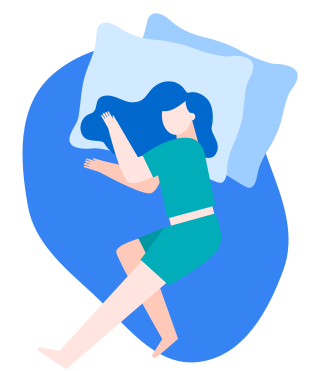
When you lie on your back, gravity pulls your tongue and other tissue toward your throat, which contributes to snoring by narrowing your airway. For this reason, switching to a side sleeping position may help stop snoring.
If you naturally prefer to sleep on your back, changing your sleep position can be difficult. Some ways to help adjust to side sleeping include:
- Specially designed pillows that help hold your body in a side sleeping position
- A posture alarm that goes off if you lie on your back
- A shirt with a tennis ball sewn into the back
If you can’t fully switch away from back sleeping, you can try elevating the head of your bed, which may help partially counteract snoring. Lastly, a new mattress may help with snoring if your current one is old and sagging.
Address Nasal Congestion
Addressing nasal congestion is one practical way of minimizing snoring.
When your nose is stuffed up, it takes more force to move air through your throat, which can contribute to snoring. If you have short-term congestion, nasal decongestants or home remedies like a saline rinse may help. For chronic congestion (such as from allergies), you can ask your doctor about prescription nasal sprays or other decongestants.
Avoid Alcohol Before Bed
To reduce snoring, experts recommend avoiding alcohol in the evening. Alcohol causes the muscles around the airway to relax, and that loss of muscle tone makes snoring more likely. On top of that, alcohol disrupts sleep quality, which is why not drinking at night is a common component of good sleep hygiene.
Like alcohol, smoking cigarettes is linked to snoring, so it’s best to avoid both alcohol and tobacco in the hours before bed.
Consider Anti-Snoring Devices
Various products and devices are available to reduce snoring. For some people, trying these devices is effective at decreasing snoring:
- Nasal strips: Worn over the bridge of the nose, nasal strips promote more airflow through the nostrils, which may help reduce snoring linked to nasal congestion.
- Oral appliances: Sometimes called mouthguards, oral appliances hold the tongue and jaw in positions where they are less likely to obstruct airflow while you sleep. Many types of oral appliances are available, and the best results typically come from those that are custom-fitted by a dentist.
- Chin straps: A chin strap is designed to limit mouth breathing during sleep, which in some people can cause narrowing of the airway. To date, evidence is mixed about whether tools to keep the mouth closed, like chin straps and mouth taping, can reduce snoring.
How to Talk to Someone About Their Snoring
If you’re planning to talk with a bed partner or roommate about snoring, it’s important to approach the conversation in the right way.
- Avoid criticism: Frame the conversation around health and quality sleep. Don’t play the blame game or make someone feel ashamed for snoring as studies have shown that a critical tone often backfires and does not promote behavior change.
- Encourage and collaborate: Research has found that an encouraging tone can help people make health changes. Be positive and try to find ways to make it feel like a team effort rather than an individual chore.
- Choose the right time: Look for a time to talk about snoring when you and your partner aren’t already stressed or in a hurry. Although their snoring might be top of mind on a busy morning, that is unlikely to be the ideal time to raise the issue.
When to See a Doctor
Snoring itself isn’t a health problem, but sometimes snoring is a symptom of an underlying condition like obstructive sleep apnea (OSA). Some red flags that indicate a snorer should see a doctor include:
- Snoring that is punctuated by gasping or choking sounds
- Significant daytime sleepiness, including struggling to stay awake when driving or working
- Lack of concentration or memory
- Regular morning headaches
Consulting with a doctor is also recommended if a person keeps snoring even after trying other methods to stop.
A doctor can review a snorer’s symptoms and determine whether any testing, such as sleep study, would be appropriate. A doctor can also discuss other lifestyle factors, such as losing weight (and maintaining a healthy weight), that can affect snoring.

Still have questions?
Sleep apnea products can be confusing. If you need individualized assistance, post your question to the Sleep Doctor forum.

Written by
Eric Suni, Contributing WriterEric Suni is a health and science writer who covers sleep apnea, CPAP therapy, and sleep health for SleepApnea.org. He has more than a decade of experience translating complex medical research into clear, accessible information that helps readers better understand their health and treatment options.


