Snoring is a familiar sleep disruption, often caused by airflow narrowing as you breathe at night. According to the American Academy of Sleep Medicine, frequent snoring occurs in 40% of adult men, 24% of adult women, and up to 12% of children. These numbers generally increase with age.
Snoring can occur at any point during the breathing cycle, while inhaling or exhaling. Although it isn't harmful, there are some cases where snoring may indicate a potential health condition like sleep apnea. Learning about what causes snoring can help you decide whether it may be helpful to talk to a doctor about your sleep health.
Snoring May Be Be a Sign of Something Deeper

our partner at sleepdoctor.com
10% off Home Sleep Tests
Buy Now“Truly grateful for this home sleep test. Fair pricing and improved my sleep!”
Dawn G. – Verified Tester

Simple and convenient
- Equipment delivered to your doorstep
- One overnight test in the comfort of your own bed

Uncover sleep apnea
- Quietly collects data while you sleep
- 98% effective in detecting sleep apnea

Affordable & ships fast
- Arrives in 2-4 business days
- In-lab sleep tests cost ~$3,000+ (this one’s $189), HSA/FSA eligible


What Is Snoring?
Snoring is the sound that occurs when airflow is partially blocked during sleep, causing the tissues in the back of the throat, soft palate, or tongue to vibrate. When the airway narrows or becomes obstructed, the lungs and diaphragm must work harder to move air in and out, increasing the force of breathing. This extra effort creates the familiar rattling or buzzing noise associated with snoring.
Why Do People Snore?
While occasional snoring is common and often harmless, understanding how it happens can help you recognize when it may be a sign of a deeper sleep-related breathing issue. Sometimes there are nasal blockages, deviated septa, and sinus conditions that block the airflow. Some people have conditions that restrict airflow, increasing the chances of snoring in their sleep.
Obstructive Sleep Apnea
Obstructive sleep apnea (OSA) is a breathing disorder that's characterized by abnormal relaxation of the upper airway, the space that extends from behind the nose and mouth to the top of the trachea and vocal cords. During sleep, the upper airway may repeatedly collapse either partially or completely for up to 30 seconds or longer.
Obstructed breathing can lead to a number of symptoms, with loud, frequent snoring being the most common. In fact, researchers have found that louder and more intense snoring correlates with more severe types of OSA.
Other symptoms of obstructive sleep apnea include:
- Interruptions in breathing, gasping for air, or choking
- Daytime sleepiness
- Waking up multiple times at night
- Morning headaches
While OSA may affect anyone, it's most commonly seen in older males. On a global scale, experts estimate that 1.35 billion people around the world between the ages of 30 and 69 experience mild to severe types of OSA. However, many cases go undiagnosed.
Overweight and Obesity
Although anyone may experience snoring, the chances increase with excess weight. As weight increases, more fat can accumulate in the neck region, which expands the size of the neck. This additional pressure may contribute to the airway becoming narrow or blocked.
Breathing through a narrow airway while sleeping can cause snoring. Over time, the narrowing airway may partially or completely collapse, leading to disrupted sleep and obstructive sleep apnea.
To help reduce the risk of snoring or experiencing sleep apnea associated with obesity, experts generally recommend weight loss. The benefits of weight loss may also include better sleep, improved blood pressure, and better overall physical health.
Sleep Position
Like anything done a particular way over a period of time, sleeping position can become a habit. While each sleeping position may be beneficial in some ways, they also may contribute to snoring. Research suggests that sleeping position is a key factor in almost 70% of people who snore.
Lying on the back, also known as the supine position, increases the likelihood of snoring, mainly due to the impact of gravity on the upper airways. While lying on the back, the tongue has a natural tendency to relax and fall back into the throat and occupy the airway, leading to obstruction and snoring.
To help reduce snoring, experts recommend sleeping on your side.
Nasal Congestion
Allergies and infections can lead to a stuffy nose and may impact the ability to go to sleep or remain asleep. Nasal congestion can lead to swelling, inflammation, and blockages in the upper airway, which may cause a person to snore.
People with allergies may experience mild or severe reactions ranging from a simple cough to anaphylaxis — a severe reaction that requires immediate medical attention. An allergic reaction can affect the upper airway in a number of ways, causing symptoms that include:
- Nasal obstruction
- Scratchy throat
- Runny nose and sneezing
- Cough
Respiratory infections are illnesses that usually affect the airways and the lungs, which can cause discomfort, make it difficult to breathe, and may worsen sleep. Symptoms of respiratory infections are similar to the symptoms of allergies, and may cause snoring and other sleep disturbances.
When respiratory infections are caused by viruses, they typically resolve on their own after a short period of time without the need for medications. However, it's important to discuss any persistent symptoms with a health care provider.
Craniofacial Anatomy
Differences in the bones that make up the face and the skull can lead to narrow airways, which can cause snoring. These bones are called craniofacial bones and they fuse at birth. When they fail to fuse correctly, they are called craniofacial abnormalities, which are birth defects. They can impact the way a person looks, and sometimes, how they breathe.
- Micrognathia is a birth defect of the facial bones where the jaw is too small for the face, tongue, and other structures in the mouth. In a newborn baby, it can cause an obstruction of the airway, which may lead to difficulty breathing. While cases of micrognathia are usually mild, some may be severe and require surgery to fix the obstruction of the airway.
- Midfacial hypoplasia occurs when structures in the middle of the face such as the upper lip, nose, and cheek bones fail to develop normally. As a result, those structures don't fuse correctly. This defect may lead to collapse of the airway during sleep, which can lead to snoring and difficulty sleeping.
- Macroglossia is defined as a larger than normal tongue. It can be harmless, but in some cases, it can cause noisy or high pitched sounds, drooling, and obstruction of the airway. Macroglossia can cause a decrease in the size of the upper airways and may increase the chances of airway collapse while sleeping.
- “Tongue-tied” infants have restricted movement of the tongue. This can influence the growth and development of the craniofacial bones and musculature and restrict the clean flow of air into the lungs.
Medications
Medications are usually given to help treat an illness or to reduce certain symptoms. Some medications can affect the muscles and airways and may cause snoring.
- Benzodiazepines are sedatives that can make falling asleep easier and help users sleep for a longer period of time. However, since benzodiazepines relax muscles throughout the body (including in the airway), this can cause slow, shallow breathing and lead to snoring.
- Narcotics are medications used for treating and managing pain. Like benzodiazepines, they can also cause slow and shallow breathing by decreasing activity of muscles used in breathing. Long-term use of opioids and benzodiazepines can increase the risk of central sleep apnea (CSA), a sleep disorder that's also characterized by daytime sleepiness, nighttime awakenings, and snoring.
Be sure to discuss with your physician whether there are any alternative, appropriate medications that do not affect the airway musculature.
Alcohol
Drinking alcohol can temporarily make breathing difficult, which may lead to snoring. During sleep, alcohol can cause the muscles of the airway to lose their tone and strength and therefore increases their chance of collapsing.
Alcohol is a depressant, which means it can help muscles relax more and bring on sleepiness. However, heavy alcohol use can prevent deep sleep and lead to breathing interruptions. People who use alcohol frequently or are quitting alcohol after a long period of use are likely to experience difficulty falling and remaining asleep.
Experts recommend that those who wish to control their snoring or other disruptive sleep behaviors should not drink alcohol, especially within a few hours of bedtime.
Smoking
Any type of smoking can be harmful. Cigarette smoke in particular contains over 7,000 chemicals, most of which are man-made. Exposure to these chemicals causes inflammation, which can be either acute or chronic. Smoking causes swelling of the upper airways and may contribute to snoring when inflammation is acute. Women in particular are at higher risk of developing snoring caused by smoking.
Like alcohol use, avoiding or quitting smoking may help to control snoring as well as reduce the risk of many other health problems.

What Causes Snoring in Females?
While women can experience the same airway narrowing and tissue vibration that cause snoring in anyone, several factors make snoring more likely—or more noticeable—in females. Hormonal changes play a major role.
Fluctuations during pregnancy, the menstrual cycle, and especially menopause can affect muscle tone in the airway and alter breathing patterns during sleep. As estrogen and progesterone levels decline with age, the airway may become more prone to relaxation and collapse, increasing the risk of snoring.
Pregnancy can also contribute by increasing nasal congestion and placing added pressure on the diaphragm. Additionally, women are more likely to experience certain sleep disorders, like insomnia, that fragment sleep and may worsen snoring.
What Causes Snoring in Males?
Men experience the same fundamental causes of snoring as anyone else, but several biological and lifestyle factors make snoring more common and often more pronounced. Men typically have larger soft palates, longer airways, and more fat distribution around the neck and upper airway, all of which can increase airway resistance during sleep.
Snoring rates in men tend to rise with age as muscle tone naturally decreases. Weight gain, alcohol use, and sleeping on the back can further narrow the airway and intensify snoring.
When to Talk to Your Doctor
Snoring isn't harmful in and of itself, but it may affect others or be a sign of a serious medical condition. Snoring is one of the first symptoms of obstructive sleep apnea and usually one of the main reasons a person is evaluated for obstructive sleep apnea or other upper airway problems.
You may want to speak to a doctor if you snore and experience any of the following situations:
- Complaint by a bed partner or disrupting their sleep
- Excessive daytime sleepiness
- Waking up multiple times at night
- Shortness of breath, choking, or gasping for air
Depending on the cause of snoring, there are several ways it could be treated.
- Practicing good sleep hygiene is beneficial.
- Experts may recommend weight loss, avoiding tobacco smoking and alcohol, and sleeping on your side.
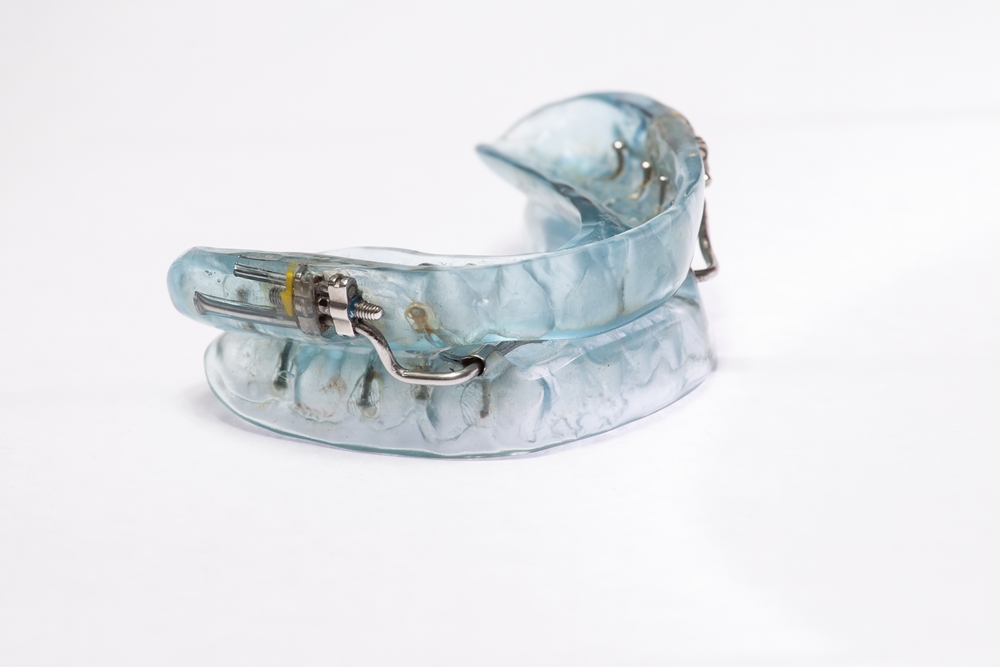
- A custom-made anti-snoring mouthpiece called a mandibular advancement device (MAD) can help reduce or eliminate snoring.
- In extreme cases, some types of surgery may be necessary to help reduce snoring.
Regardless, if you're a chronic snorer, you owe it to yourself and loved ones to get checked for obstructive sleep apnea.
Frequently Asked Questions
Yes, a deviated septum can make one side of the nose narrower, which restricts airflow and forces you to breathe more heavily through the nose or mouth during sleep. This added resistance increases the likelihood of tissue vibration in the airway, leading to snoring. People with a deviated septum may snore more when congested or when lying on their back.
Snoring itself doesn’t usually damage the throat, but the airflow patterns associated with snoring can lead to throat dryness and irritation. People who breathe through their mouth while sleeping—often due to nasal congestion or airway blockage—may wake up with a sore, scratchy, or dry throat. Persistent morning sore throat may also be a sign of sleep apnea or another sleep-related breathing issue.
Yes, enlarged tonsils can narrow the space at the back of the throat, especially during sleep when the muscles relax. This reduced airway size makes it harder for air to pass through, increasing vibration and snoring. Tonsil enlargement is a common cause of snoring in children but can also affect adults.
Acid reflux can contribute to snoring by irritating and inflaming the tissues of the throat and airway. When stomach acid reaches the throat, it can cause swelling, congestion, and increased mucus production, all of which may narrow the airway and make snoring more likely. Reflux symptoms tend to worsen when lying down, which can intensify nighttime snoring.

Written by
Tochukwu Ikpeze, MD, Contributing WriterTochukwu grew up in New York and has a passion for creative and scientific writing. Tochukwu holds an undergraduate degree in Biology and Psychology, a Master’s degree in Biomedical Science, and a Medical Degree as well. In his free time, Tochukwu enjoys reading, learning, exploring various topics pertaining to the human condition and conveying that information to the public through writing.

Reviewed by
Howard Hoffman, DDS, Medical ReviewerDr. Howard J Hoffman was born and grew up in New York. After attending the Ohio State University -B.S. 1970, he attended The University of Maryland School of Dentistry, earning his DDS degree in 1974. Dr. Hoffman served 2 years in the U.S. Public Health Service in Guam from 1974-1976. Upon returning to the continental U.S., he opened a private dental practice and began his studies in Implant Dentistry in the mid-90s, including two 18-month programs, first with the American Academy of Implant Dentistry, followed by a second at Harvard University.