

Snoring is common, but that doesn’t make it any less frustrating for those who experience it (or their bed partners). Around 31% of adults snore, with 14% to 18% snoring nightly. And unfortunately, snorers can experience other consequences, such as less sleep time, unintentional falling asleep, and falling asleep while driving.
While no mattress can directly treat snoring, the right mattress can help reduce it by promoting better spinal alignment and making it easier to sleep on your side. Below, we’ll break down our top picks for the best mattress for snoring. Then, we’ll detail other key information on snoring and tips for finding relief.
Our Top Picks



Best Overall
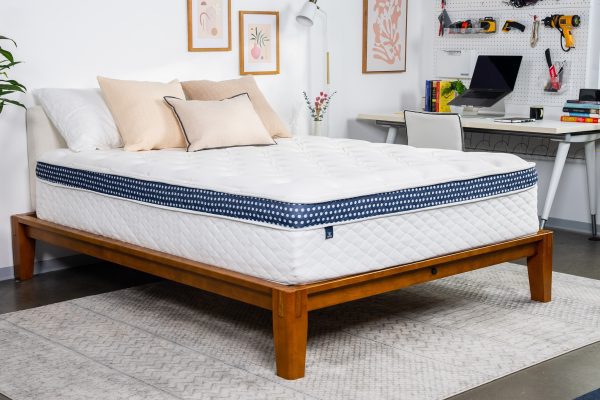
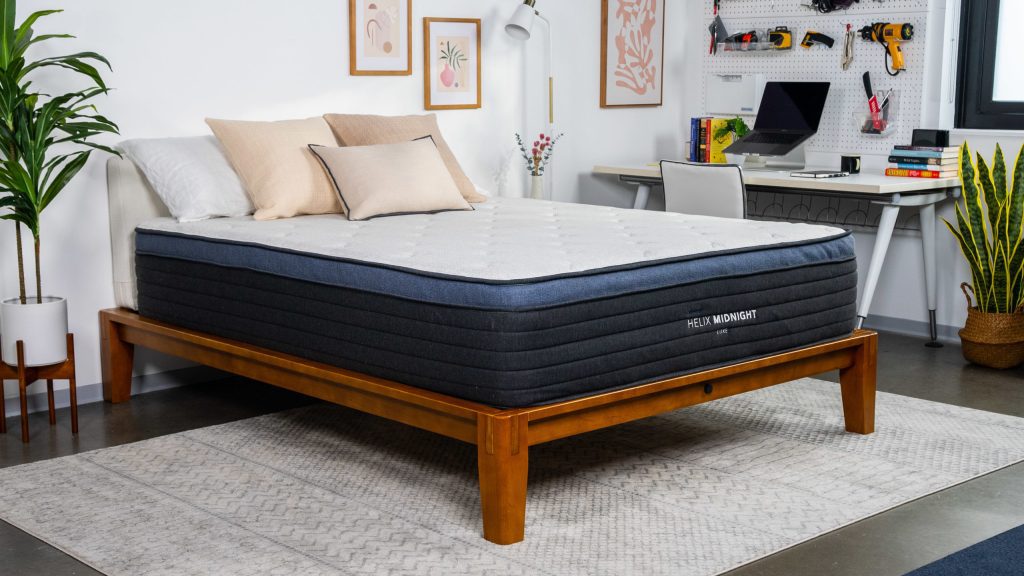
Helix Midnight Luxe
Ideal For
- Those transitioning to side sleeping
- Hot sleepers
- Partners with different position preferences or body types
Who Should Keep Looking
- Sleepers who change positions frequently
- Individuals over 230 pounds
- Budget shoppers
-
Price
$1,149
-
Firmness
Medium Firm
-
Type
Hybrid
The Helix Midnight Luxe is a medium-firm hybrid model built for lumbar support, which may help sleepers who snore maintain a better posture overnight.
A breathable Tencel cover tops the mattress, and optional GlacioTex cover upgrades are engineered to actively draw away heat. The built-in pillow-top and memory foam comfort layer cushion and contour, respectively. This can help limit pressure buildup, which may make it easier for snorers to sleep on their sides, a position often associated with fewer symptoms.
Meanwhile, the transition layer limits sinkage, and a zoned coil core provides responsive support, leveraging reinforced coils in the center of the bed to promote spinal alignment.
The Helix Midnight Luxe comes with free shipping in the contiguous U.S., a 100-night trial period, and a prorated limited lifetime warranty.
Use this SleepApnea.org link for the most current discount on Helix products
Shop NowBest Value
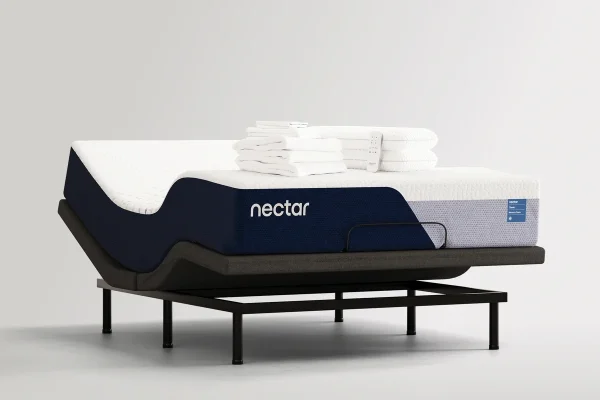
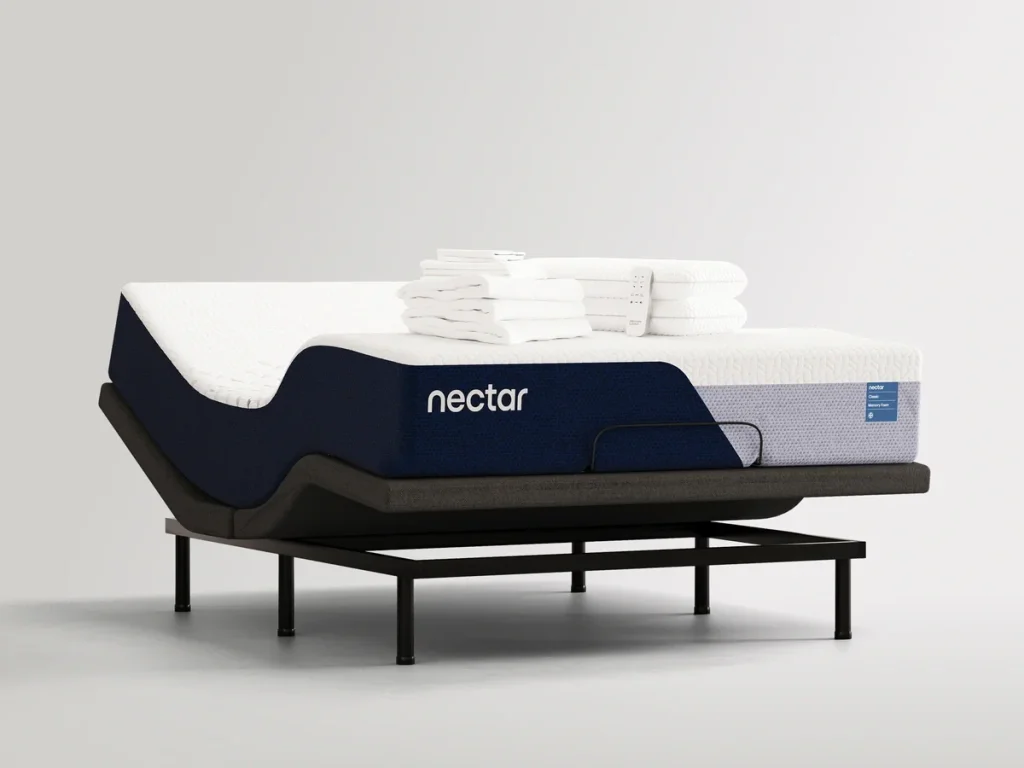
Nectar Adjustable Bundle
Ideal For
- Budget shoppers
- Back sleepers
- Those in the market for both a mattress and an adjustable base
Who Should Keep Looking
- Anyone who already owns an adjustable base
- Sleepers who prefer the bounce of coils
- Hot sleepers
-
Price
$1,398
-
Firmness
Medium Firm
-
Type
Foam
For snorers on a budget, it’s hard to beat the Nectar Adjustable Bundle. This set combines a Nectar Classic Mattress and an adjustable base for notable pressure relief and support, along with optional elevation.
The Nectar Classic Mattress itself is a medium-firm foam model that can accommodate most body types and sleep positions. A layer of close-conforming memory foam followed by two layers of polyfoam balances pressure relief and postural support.
Sleepers who snore may particularly benefit from the adjustable base. Compatible with many existing bed frames, this base allows for the elevation of the head end of the bed, which is frequently beneficial for snorers. The base has an anti-snore setting specifically designed for the task, along with settings engineered to relieve back pain and improve circulation.
This bundle comes with free shipping in the contiguous U.S., a 365-night trial, and a limited lifetime warranty.
Use this SleepApnea.org link for the most current discount on Nectar products
Shop NowMost Comfortable
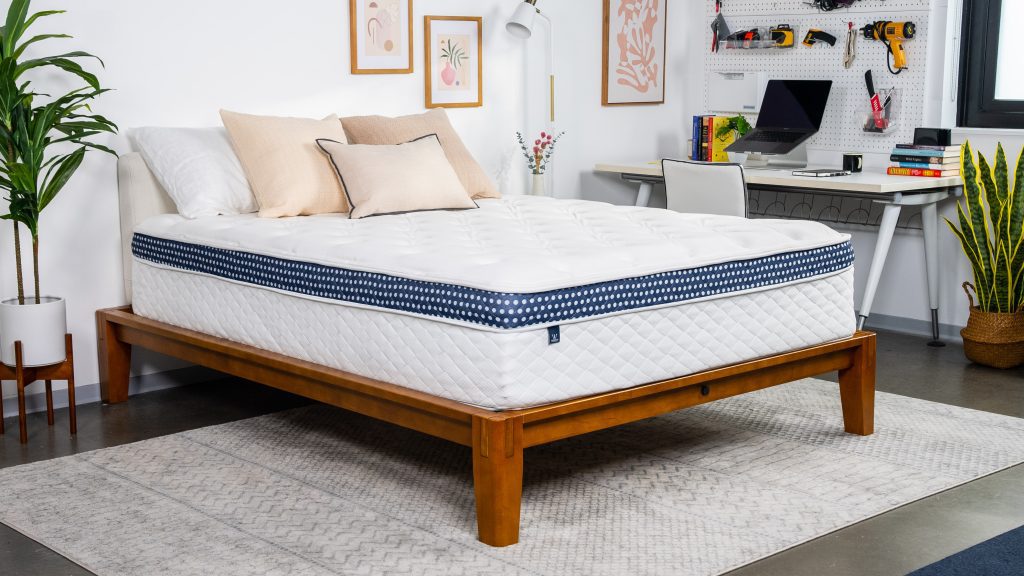
Luxury Firm WinkBed
Ideal For
- Side and back sleepers
- Individuals sensitive to off-gassing odors
- Hot sleepers
Who Should Keep Looking
- Sleepers who awaken easily when their partner moves
- Stomach sleepers, especially those under 130 or over 230 pounds
- Those looking for the close hug of memory foam
-
Price
$1,799
-
Firmness
Medium Firm
-
Type
Hybrid
With a Euro pillow-top and zoned support, the Luxury Firm WinkBed is widely known for comfort. It may particularly appeal to snorers seeking balanced contouring and support.
This medium-firm hybrid model starts with a Tencel cover and two layers of cushioning polyfoam in the Euro pillow-top. Two additional layers of polyfoam underneath deepen the cradling, which may make side sleeping more comfortable. Next, a zoned coil core facilitates movement while providing targeted back support to promote good posture.
The Luxury Firm WinkBed comes with free shipping in the contiguous U.S., a 120-night sleep trial, and a limited lifetime warranty.
Use this SleepApnea.org link for the most current discount on WinkBed products
Shop NowBest Luxury
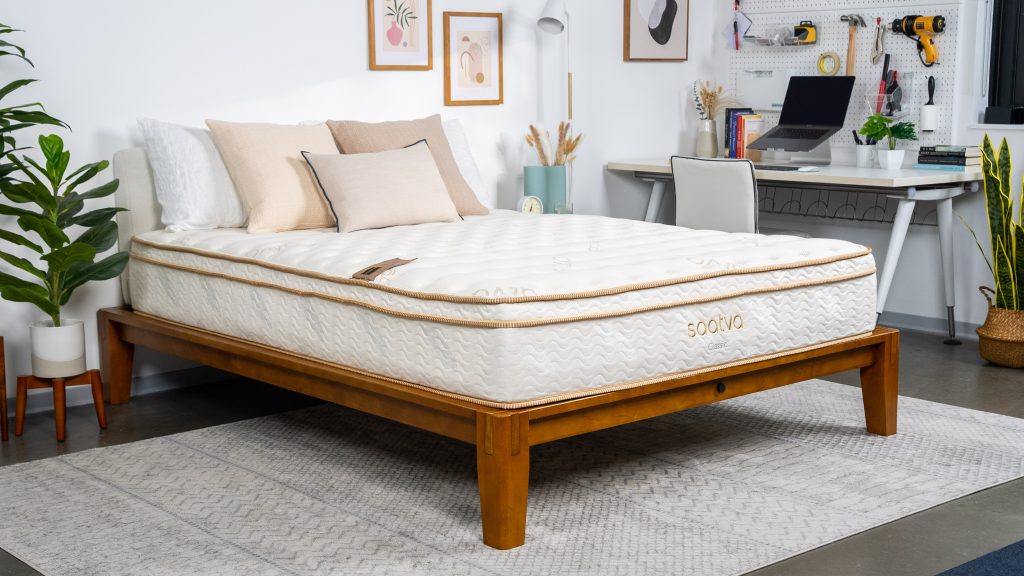
Saatva Classic
Ideal For
- Those who like the responsive feel of innerspring models
- Shoppers looking for more firmness or thickness options
- Sleepers who benefit from extra lumbar support
Who Should Keep Looking
- Sleepers who favor close-conforming memory foam
- Those who tend to wake up whenever their partner moves
- Shoppers on a tight budget
-
Price
$1,854
-
Firmness
Soft, Medium Firm, or Firm
-
Type
Innerspring
The Saatva Classic is an innerspring model available in soft, medium firm, and firm, along with two profile options. This variety means that most sleepers should be able to find a version compatible with their sleep position and body type.
A cotton cover encases the surface. The fabric is treated with an antimicrobial agent designed to inhibit mold and bacteria, which may appeal to sleepers concerned about allergens and hygiene.
The sleep surface starts with a Euro pillow-top with polyfoam cushioning. Under that, a memory foam lumbar pad reinforces the center of the bed to help support good sleep posture. A layer of pocketed microcoils lends to cradling without restricting movement, and an innerspring core adds responsive support.
This model comes with free White Glove delivery in the contiguous U.S., a 365-night trial period, and a limited lifetime warranty.
Use this SleepApnea.org link for the most current discount on Saatva products
Shop NowBest for Side Sleepers
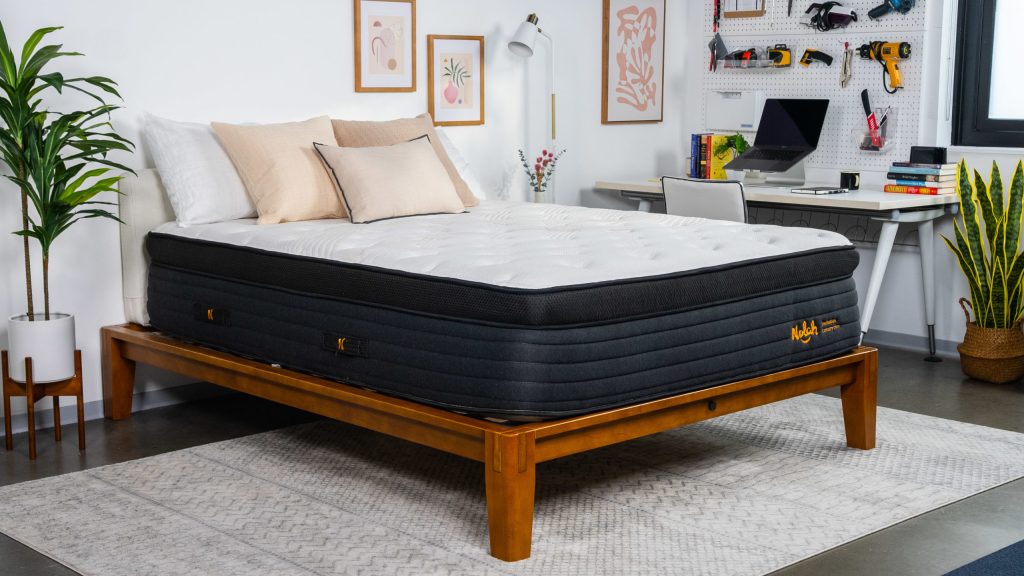
Nolah Evolution 15
Ideal For
- Side sleepers of all body types
- Those seeking balanced responsiveness and pressure relief
- Individuals with distinct firmness needs or preferences
Who Should Keep Looking
- Sleepers extremely sensitive to off-gassing odors
- Stomach sleepers in need of even support
- Those who prefer a deep hugging sensation
-
Price
$1,480
-
Firmness
Medium, Medium Firm, or Firm
-
Type
Hybrid
With three firmness options to suit different body types, the Nolah Evolution 15 can provide a comfortable sleep surface for side sleeping, which is often the best position to reduce snoring.
Available in medium, medium firm, and firm, this hybrid model starts with a Euro pillow-top consisting of a cotton cover with a layer of polyfoam quilted in. Multiple layers of proprietary polyfoam, including copper- and gel-infused foams engineered for cooling, provide zoning designed for lumbar support.
Under that, a zoned coil core adds to the effect while making the surface more responsive. A final polyfoam base stabilizes the bed.
For side sleepers, targeted zoning often creates a balance of softness under the hips and shoulders with added support beneath the lumbar region, helping limit pressure buildup without allowing the spine to sag.
The Nolah Evolution 15 comes with free shipping in the contiguous U.S., a 120-night sleep trial, and a limited lifetime warranty.
Use this SleepApnea.org link for the most current discount on Nolah products
Shop NowSnoring? Get Tested for Sleep Apnea

our partner at sleepdoctor.com
10% off Home Sleep Tests
Buy Now“Truly grateful for this home sleep test. Fair pricing and improved my sleep!”
Dawn G. – Verified Tester

Simple and convenient
- Equipment delivered to your doorstep
- One overnight test in the comfort of your own bed

Uncover sleep apnea
- Quietly collects data while you sleep
- 98% effective in detecting sleep apnea

Affordable & ships fast
- Arrives in 2-4 business days
- In-lab sleep tests cost ~$3,000+ (this one’s $189), HSA/FSA eligible


What Causes Snoring?
Most directly, snoring is caused by vibrations in the upper airway. However, the more specific causes of snoring can include the following.
- Upper airway structure: Snoring is often linked to a narrow upper airway or excess tissue in the region. Since there’s less room for air to flow freely, vibrations are more likely to occur.
- Excess weight: Individuals with a higher body mass index (BMI) are thought to be more likely to snore, which may be due to fat deposits putting pressure on the throat.
- Substance use: Alcohol consumption is thought to trigger snoring by reducing muscle tone, and smoking appears to cause symptoms by contributing to inflammation.
- Nasal obstruction: Congestion and other nasal blockages are frequently associated with snoring.
- Sleep position: For many snorers, back sleeping tends to worsen symptoms, whereas side sleeping often decreases it. However, side sleeping doesn’t appear to decrease symptoms for individuals with obstructive sleep apnea (OSA).
- Underlying conditions: Snoring can be a result of an underlying sleep-related breathing disorder, such as OSA. Allergic rhinitis can also contribute. Because snoring can be a symptom of other conditions, it’s important to share what you’re experiencing with your doctor.
What’s the Best Type of Mattress for Snoring?
The best mattress for snoring (as well as mattresses for sleep apnea) encourages side sleeping and promotes healthy spinal alignment. Side sleeping is often the most effective position to reduce snoring, so a mattress that cushions the shoulders and hips while supporting the spine can make it easier to sleep in the position.
In general, the type of mattresses fall into five categories:
Hybrid
Hybrid mattresses combine coils with foam or latex comfort layers. This design often provides a balance of contouring and support, which can help keep the spine aligned while still relieving pressure at the shoulders and hips of side sleepers. For many people who snore, a hybrid mattress provides a good mix of stability and comfort.
Innerspring
Traditional innerspring mattresses use coil systems with minimal comfort layers. They tend to feel firmer and more supportive but may not contour closely to the body. While adequate support can help maintain spinal alignment, innersprings sometimes lack the pressure relief needed for comfortable side sleeping. If a mattress is too firm, it may push some sleepers onto their back, potentially worsening snoring.
Foam
All-foam mattresses, including memory foam models, conform closely to the body. This contouring can help relieve pressure points and support side sleeping, which may reduce snoring for some people. However, softer foam mattresses may allow the midsection to sink too deeply, potentially affecting alignment and making breathing less comfortable. Choosing a medium-firm foam mattress often strikes a better balance between cushioning and support.
Latex
Latex mattresses are known for being supportive, responsive, and durable. Unlike memory foam, latex has a buoyant feel that keeps sleepers more “on top” of the mattress rather than deeply cradled. This responsiveness can make it easier to maintain proper alignment and shift positions during the night. For people who snore, latex can be a good option because it offers consistent support without excessive sinkage.
Airbed
Airbeds allow sleepers to adjust firmness using air chambers. This customization can be helpful for people who snore, especially if they need different support levels to maintain proper alignment. Some airbeds also allow for head elevation when paired with an adjustable base, which may further reduce snoring by helping keep the airway open.
How Do You Choose a Mattress for Snoring?
When choosing a mattress for snoring, consider your sleep preferences and the factors contributing to your symptoms.
Sleep Position
Side sleeping is often the best position to reduce snoring, so look for a mattress that cushions the hips and shoulders while supporting spinal alignment. Zoned support often fits the bill. That said, if you favor another sleep position, a mattress with the right level of support for that position can help improve sleep posture.
Firmness
The ideal firmness depends on your body type and sleep position. Sleepers who weigh over 230 pounds or who sleep on their stomachs typically need models on the firmer end of the spectrum, whereas those under 130 pounds or who sleep on their sides usually benefit from a softer surface. In general, most sleepers find a medium to medium-firm mattress suitable, though individual preferences vary.
| Weight | Recommended Mattress Firmness |
|---|---|
| Under 130 pounds | Soft to medium mattress |
| 130 to 230 pounds | Medium to medium-firm mattress |
| Over 230 pounds | Firm mattress |
Materials
For snorers with allergy symptoms or other respiratory sensitivities, the right materials can help. Hypoallergenic components, antimicrobial treatments, options with minimal off-gassing, and easy-to-clean materials may be beneficial.
What Are Other Ways to Reduce Snoring?
If you’re trying to stop snoring, several methods may help.
Make Lifestyle Changes
Since snoring can be linked to weight, alcohol consumption, and smoking, lifestyle changes are often the first step toward limiting snoring. Some people see symptom reduction after losing weight or quitting alcohol and cigarettes.
Adjust Your Sleep Position
Side sleeping is widely regarded as the best position to reduce snoring. If you sleep on your back, transitioning to your side may provide some relief.
Use an Anti-Snoring Device
Anti-snoring devices are designed to improve airflow, thereby reducing snoring. These devices often work by repositioning the jaw, tongue, or body to help keep the airway open.
Get the Right Pillow
A pillow for snoring can help support head and neck alignment, which could, in turn, reduce airway pressure. For sleepers with allergies, hypoallergenic and washable options may also help.
Consider an Adjustable Bed
An adjustable bed allows you to position the upper part of your body on an incline, which can reduce the likelihood that soft tissues will fall back and block your airway.
Talk to Your Doctor
While snoring doesn’t always mean sleep apnea, it’s a common symptom of the condition. Allergies can also play a role in snoring. Discussing your symptoms with a doctor and seeking treatment can often provide relief.
Frequently Asked Questions
Head and neck position can play a role in snoring, so support for proper alignment may make a difference. While there isn’t one mattress firmness that can fully prevent snoring symptoms, finding the right feel for your body type and position preference could be beneficial.
The best sleeping position for snoring is often side sleeping. When back sleeping, the tongue and soft tissues may add pressure to the airway, whereas side sleeping allows them to fall to the side.
In some cases, elevating the head end of the bed can help prevent snoring. A 30% elevation may reduce airway obstruction associated with snoring. For this reason, many sleepers who snore consider an adjustable base or a wedge pillow.

Still have questions?
Sleep apnea products can be confusing. If you need individualized assistance, post your question to the Sleep Doctor forum.

Written by
Meredith Kreisa, Contributing WriterMeredith is a freelance writer with extensive experience in developing comprehensive but easily digestible content. She loves connecting sleepers with products that enhance their experience and help them get the quality rest they need.


