At a Glance
Asthma and obstructive sleep apnea (OSA) are separate conditions that can both affect your breathing, but they share some risk factors and symptoms. Both OSA and asthma can cause coughing, sleep disruptions, snoring, and daytime sleepiness, and each condition can make the other worse. If you have asthma and sleep apnea together, your doctor can help you create a treatment plan that manages both well.
Both sleep apnea and asthma can make nighttime breathing more difficult, and having one may make the other harder to manage. Asthma causes inflammation and narrowing in the airway, while obstructive sleep apnea (OSA) repeatedly blocks airflow during sleep.
When the two conditions occur together, they may contribute to more disrupted sleep, worse nighttime symptoms, and greater daytime fatigue. Below, we’ll explain how asthma and sleep apnea are connected, which risk factors they share, and how treating both conditions can improve nighttime breathing and sleep quality.
Is It Sleep Apnea? Find Out for as Low as $0
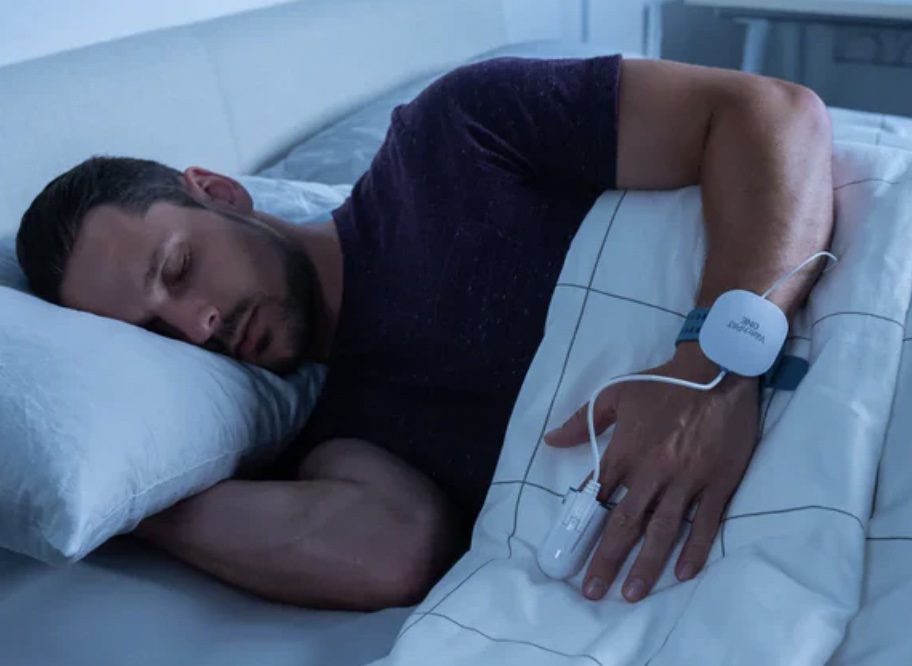
Some breathing issues are connected to sleep apnea. Sleep Doctor’s home sleep study helps you get clear answers and may be covered by your insurance.
Are Asthma and Sleep Apnea Related?
Asthma and OSA each affect your breathing through different processes. For example, asthma causes inflammation and narrowing of breathing passages in your lungs, which makes breathing more difficult.
When you have obstructive sleep apnea, a type of sleep-disordered breathing, your upper airway collapses or narrows while you sleep, causing your breathing to become shallow or pause temporarily throughout the night.
Some asthma symptoms can look similar to OSA symptoms, including:
- Interrupted sleep
- Difficulty breathing at night
- Daytime sleepiness
- Snoring
- Coughing
Many people have OSA and asthma at the same time. One study found that almost 50% of people with asthma also had OSA. And about 35% of those with OSA also have asthma. Other research shows your risk of sleep apnea goes up with more severe asthma.
Does Asthma Cause Sleep Apnea?
No studies prove that asthma causes sleep apnea, but it can increase your risk for developing the sleep disorder. Experts think asthma may make it easier for your upper airway to collapse through:
- Pressure changes: When asthma makes it hard to breathe, you can develop negative pressure inside your airway, like suction. You also use more muscles to try and get air in, which can squeeze your airway from the outside.
- Softer airway: Asthma can lower the amount of air you hold in your lungs during sleep. This can tug on your airway, making it softer and more prone to collapse.
- Sleep disruption: Asthma can cause sleep interruptions, and disturbed sleep can prevent your body from using certain muscles to keep your airway open.
- Inflammation: Swelling from inflammation can cause more airway narrowing.
- Nasal congestion: Congested and swollen nasal passages can also create negative pressure inside your airway, which adds to narrowing.
Some asthma medications could also boost your OSA risk. Inhaled corticosteroids like budesonide (Pulmicort) and fluticasone treat asthma by improving airway inflammation. But some studies have linked high doses of these medications with development of sleep apnea.
Your doctor may recommend inhaled steroids made from smaller particles, like ciclesonide (Alvesco), which can decrease your risk. If you have other OSA risk factors, they may also prescribe lower steroid doses. More research is needed to fully understand how inhaled corticosteroids affect sleep apnea development.
Can Sleep Apnea Make Asthma Worse?
Sleep apnea can make asthma more severe and cause more frequent asthma attacks. OSA can make inflammation worse for asthma patients through these factors:
- Increased inflammation: OSA activates chemicals that cause inflammation, which can make asthma flares more likely.
- More immune cells: Sleep apnea leads to higher levels of immune cells called neutrophils in the mucus that lines your lungs, which can make asthma more severe.
- Airway stress: Snoring and gasping during sleep can cause physical stress in your lungs, which boosts inflammation.
- Low oxygen: When oxygen levels drop during sleep apnea episodes, that can trigger an asthma attack.
- Nerve activity: OSA can stimulate nerves in your throat that cause bronchoconstriction (airway narrowing).
- Blood pooling: Sleep apnea can cause blood to pool in the vessels in and around your lungs, which makes your airway more sensitive.
- Chemical messengers: Breathing pauses increase the activity of chemicals that tell your brain to make your airway tighter.
- Gastroesophageal reflux disease (GERD): Pauses in breathing can change pressure around the opening to your stomach, which may let stomach contents into your esophagus (reflux). That reflux can then trigger asthma symptoms.
Because OSA and asthma have a bi-directional relationship, symptoms of both can affect the other, creating a kind of loop. But you can interrupt this loop with treatment.


Does CPAP Help Asthma?
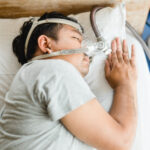
Continuous positive airway pressure (CPAP) therapy, the most common treatment for OSA, can also improve asthma, especially when it’s severe. To use a CPAP machine, you wear a mask over your nostrils, nose, or nose and mouth together. A machine connected to your mask with tubing pushes pressurized air into your throat while you sleep to keep your airway open.
In one study, people with OSA and asthma reported improved asthma symptoms after starting CPAP therapy, and many no longer needed their rescue inhaler. Some studies report people who use CPAP have better asthma control, but others haven’t found the same. Don’t change your prescribed treatment plan without first consulting your doctor.
Asthma treatments also have mixed effects on OSA. While some studies show that inhaled steroids can increase risk for sleep apnea, others suggest nasal steroids can improve OSA symptoms.
Experts are also researching biological treatments like dupilumab (Dupixent) and omalizumab (Xolair) to target inflammation in asthma. Biologics are complex medications made from biological materials like proteins. In some studies, people who have taken them for asthma have also seen improvements in OSA.
So far, studies on CPAP and its effects on asthma have been small. More research is needed to understand it better.
When to Talk to a Doctor
Tell your doctor about any symptoms of sleep apnea or asthma. Remember, these symptoms can look alike, and your doctor may want to do an overnight sleep study (polysomnography) to give you a firm diagnosis.
Uncontrolled asthma can be dangerous, and you should always tell your doctor if you notice worsening or new symptoms like these:
- Noticeable increase in asthma symptoms over two times per week
- Using a quick-relief inhaler more than twice weekly
- Asthma symptoms that wake you from sleep more than twice a month
- Needing steroids by mouth or injection more than twice a year
- Urgent care or emergency room visits for asthma symptoms in the last year
- Change in physical activity level because of asthma symptoms
If treatments don’t improve asthma control, your doctor may want to do tests to check for OSA.
Frequently Asked Questions
Asthma and sleep apnea can have similar symptoms, like cough, snoring, wakefulness, and daytime sleepiness, so these breathing conditions can sometimes be misdiagnosed.
Asthma inhalers don’t improve sleep apnea, and some research suggests that inhaled corticosteroids used to treat asthma can increase your risk for OSA, especially at high doses. But inhaled nasal steroids may help decrease inflammation and improve sleep apnea symptoms.
Yes, both asthma and sleep apnea can cause coughing. OSA may trigger a cough because of pressure changes in your chest, vibration from snoring, or reflux.
Medical Disclaimer: This content is for informational purposes only and isn't a substitute for professional medical advice. Consult your healthcare provider with questions about any symptoms you're experiencing or before changing or stopping an existing treatment.

Written by
Abby McCoy, RN, Contributing WriterAbby McCoy is an experienced RN who has worked with adults and pediatric patients encompassing trauma, orthopedics, home care, transplant, and case management. She holds a Bachelor’s of Science in Nursing from St. Louis Univeristy and has practiced nursing all over the world from San Francisco, CA, to Tharaka, Kenya. She now writes health content for trusted health outlets like Everyday Health and Next Avenue.