At a Glance
Allergies aren’t typically a cause of sleep apnea, and sleep apnea doesn’t cause allergies. However, the two are related: Allergies can worsen sleep apnea symptoms and sleep apnea can make allergy side effects even more unpleasant. Treating seasonal and environmental allergies can’t cure sleep apnea, but it can make CPAP therapy more comfortable and effective.
Obstructive sleep apnea (OSA) and allergies can both impact breathing, so it’s natural to wonder if they’re related. But though the two share some symptoms, there are distinct differences between sleep apnea and allergies.
Below, we’ll explain how sleep apnea and allergies affect the body, provide details on how they may influence one another, and explore treatment options.
Is It Sleep Apnea? Find Out for as Low as $0
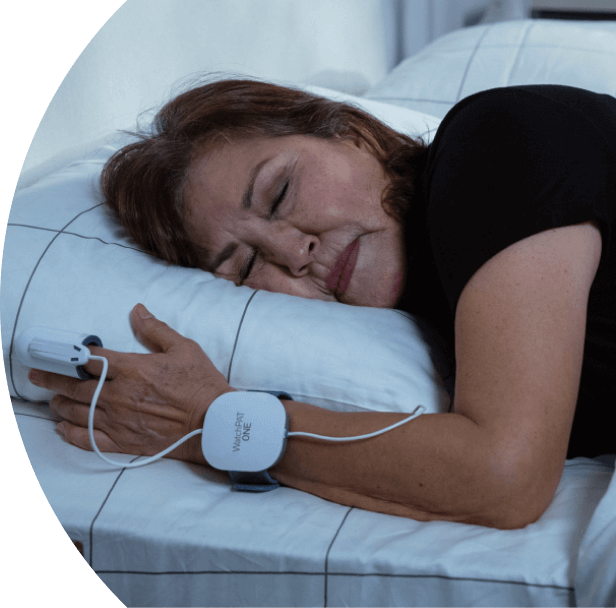
Sleep Doctor’s home sleep study helps diagnose obstructive sleep apnea, and it's covered by most major insurance plans.
Can Allergies Cause Sleep Apnea?
Allergies aren’t usually the main cause of sleep apnea, but allergies can lead to chronic congestion that can make it easier to develop OSA. Nasal congestion can also make existing OSA worse.
Allergic rhinitis refers to the nasal inflammation that causes sneezing, post-nasal drip, and nasal congestion. It occurs when a person with allergies inhales an irritant like dust, pet dander, or pollen. That can lead to inflammation in your breathing passages and cause swelling that doesn’t leave enough room for air to pass efficiently.
People with OSA choke, gasp, pause, or stop breathing because their upper airway is obstructed or collapsing. And while allergies don’t cause upper airway collapse directly, untreated chronic congestion and inflamed airways can make it easier to develop OSA.
However, experiencing these symptoms doesn’t automatically mean you have OSA. Allergies and sleep apnea can both create breathing issues that are related, but not necessarily caused by one another.
Do Allergies Make Sleep Apnea Worse?
Allergies can make sleep apnea worse. When your nose is congested, your nasal passages inflame and swell, which leaves less room for airflow. Sometimes this increased resistance can make snoring worse and may also increase the likelihood that the upper airway will narrow or collapse during sleep, contributing to OSA.
At its most basic, OSA is characterized by stops or pauses in breathing called apneas and hypopneas, which stem from airway obstructions. If you’re already prone to OSA, increased difficulty breathing can make things worse.
Chronic congestion may also cause your apnea-hypopnea index (AHI) score to go up, meaning the number of times you stop or pause breathing in an hour can increase. The amount of oxygen you’re taking in with each breath can decrease as well, creating an opportunity for sleep apnea to worsen.
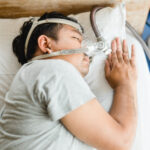
People with both sleep apnea and allergies may find CPAP therapy uncomfortable or difficult, especially if they use a nasal mask or nasal pillows. If you can’t breathe freely through your nose, a CPAP machine’s pressurized air can further irritate and dry out your breathing passages, creating a cycle in which allergies and OSA worsen one another.
Are Allergies and Sleep Apnea Connected in Children?
Sleep apnea is a type of sleep-disordered breathing (SDB). Allergies, or allergic rhinitis, are associated with SDB in children. An analysis of existing research on children shows a positive association between allergies, SDB, habitual snoring, and OSA.
The data show that SDB and respiratory allergies have a bi-directional relationship, so each disorder affects and potentially worsens the other. However, having one disorder isn’t a guarantee that a child will develop the other, there’s just a connection between the two. Both allergies and OSA can create inflammation in the airway, and both disorders can become worse with inflammation and irritation to breathing passages.


Can Treating Allergies Improve Sleep Apnea?
Treating allergies can’t cure or treat sleep apnea, but improvements to allergy symptoms may be able to treat nasal inflammation that makes sleep apnea worse. You shouldn’t use allergy medications as a substitute for CPAP therapy, but you may see improvements to nasal breathing, snoring, and sleep quality if you take steps to treat existing allergies.
Over-the-counter allergy medications like decongestants, antihistamines, and steroid nasal sprays can all help reduce the nasal inflammation, sneezing, and post-nasal drip that may make sleep apnea symptoms worse. Treating nasal congestion specifically may be able to decrease nasal-obstruction related breathing problems.
Can Treating Allergies Make CPAP Easier to Use?
Treating allergies may help you stick with CPAP therapy. Though CPAP machines have come a long way in terms of comfort, people with allergies sometimes find them hard to adhere to because of the pressure on their congested nasal passages. This can cause leaks as well as inadvertent mouth breathing.
If a CPAP user has a full-face or hybrid mask that covers their mouth, they can likely still get effective therapy while congested. However, those who use nasal masks or cushions might not be able to get the amount of air needed to keep their airway properly supported. Treating allergies can break up congestion and make it easier to tolerate wearing a nasal mask or nasal pillow.
Is It Allergies or Sleep Apnea?
On its own, allergic rhinitis, or allergies, can lead to fatigue, mood changes, and sleep disturbances. Each of these symptoms can also accompany sleep apnea, so it can be hard to tell if what you’re experiencing is sleep apnea, allergies or both.
Common sleep apnea symptoms include:
- Frequent, loud snoring
- Gasping, choking, or snorting during sleep
- Excessive daytime sleepiness and constant fatigue
- Waking up with dry mouth or a headache
- Memory problems or difficulty concentrating
- Mood changes or irritability
Common allergy symptoms include:
- Sneezing, runny nose, and coughing
- Itchy eyes and nose
- Nasal congestion
- Coughing, wheezing, or chest tightness
- Daytime sleepiness
- Excessive coughing that causes you to wake up
While allergies and sleep apnea share some common symptoms, there isn’t any overlap between the symptoms that are most indicative of sleep apnea: breathing pauses or stops. Allergies can create sleep problems, increase snoring, and make breathing more difficult, but they don’t generally lead to the full-on breathing stops and drops in blood oxygen that are typical of sleep apnea.
If you’re unsure whether you have sleep apnea or allergies, try taking an at-home sleep test that measures your breathing. You should also talk to your doctor.
When to Talk to a Doctor
Gasping, choking, and snorting during sleep are all symptoms that indicate sleep apnea. If you experience any of these, or a partner witnesses them occurring while you’re asleep, you should consider speaking to a doctor. Likewise, if you’re regularly feeling exhausted or foggy, it’s worth consulting a doctor.
New and different allergy symptoms are also reasons to get help. People with allergies and a sleep apnea diagnosis might find talking to a doctor or sleep specialist helpful, especially if allergies are making CPAP therapy or other treatment tough to tolerate.
Frequently Asked Questions
Allergies can’t cause sleep apnea, but allergies can sometimes lead to snoring and daytime fatigue, which are symptoms that are also associated with sleep apnea.
Allergies can also worsen existing sleep apnea symptoms. Nasal congestion and inflammation can irritate and restrict your airway enough to make breathing more difficult. If you already pause or stop breathing while asleep, a narrower, obstructed breathing passage can cause drops in oxygen levels as well as longer and more frequent breathing stops and pauses.
Zyrtec is unlikely to worsen sleep apnea. In fact, one study shows that taking allergy medications during pollen season may help people stick with their CPAP therapy.
However, Zyrtec and other similar allergy medications aren’t a sleep apnea treatment. They may help with nasal inflammation and make CPAP therapy more comfortable, but they cannot treat the root cause of sleep apnea.
Yes, allergies can cause snoring, especially if you’re congested. When people have allergies, they can experience post-nasal drip that irritates their throat and breathing passage. Their nasal passages can also get inflamed and congested, which leads to mouth breathing and snoring.
If you normally breathe through your mouth and you also have allergies, a full-face CPAP mask might be ideal. However, many people with allergies can use nasal masks and pillows effectively, as long as their allergy symptoms are well-controlled and you’re able to breathe only through your nose.
Medical Disclaimer: This content is for informational purposes only and isn't a substitute for professional medical advice. Consult your healthcare provider with questions about any symptoms you're experiencing or before changing or stopping an existing treatment.

Written by
Cassandra Burns, Contributing WriterCassandra is a health writer who writes about sleep products and reads emerging research to develop science-based articles that help demystify the connection between health and sleep. She's happy to report that she sleeps well most nights, which is probably thanks to her energetic dog and her other work managing a family-owned whitewater rafting business in Upstate New York.