At a Glance
CPAP mask leaks usually happen when the mask doesn’t seal properly due to a poor fit, worn-out cushions, sleeping position changes, or air pressure that’s too high. Adjusting the straps, replacing aging mask parts, cleaning the cushion regularly, or switching to a different mask style can help restore a better seal and improve CPAP comfort and effectiveness.
CPAP mask leaks are one of the most common CPAP side effects. In fact, mask-related issues are among the reasons some people stop using their CPAP machine, as they can lead dry eyes or mouth and noisy airflow. Leaks can also reduce the amount of therapeutic air pressure delivered, increasing the likelihood of breathing disruptions during sleep.
In many cases, leaks are caused by factors like poor mask fit, worn-out components, or changes in sleep position, and they can often be resolved with simple adjustments. Below, we'll explain why CPAP mask leaks happen and how to fix them so you can get the most out of your treatment.
Leaks, Discomfort, or Poor Fit? Find a Better Mask
With a simple, 30-second quiz, Sleep Doctor makes it easy to find your perfect CPAP mask.
What Is a CPAP Mask Leak?
CPAP mask leaks occur when pressurized air escapes from your mask instead of flowing into your airway. While CPAP masks are designed to vent exhaled air through intentional leak ports, unintentional leaks can reduce the effectiveness of your CPAP therapy and make treatment less comfortable.
Another type of CPAP leak occurs when you breathe through or open your mouth while wearing a nasal or nasal pillow mask, since this also allows air to escape and lowers the air pressure in the same way as a mask leak. Typically, though, this is referred to as a mouth leak.
Why Does My CPAP Mask Leak?
CPAP mask leaks are often caused by your equipment, though leaks are also associated with factors like how you sleep, your air pressure settings, and more.
- CPAP mask fit: Your CPAP mask should fit securely but not too tightly, with a cushion that adapts to the contours of your facial features and leaves no gaps. If your mask doesn't match your facial shape, or if it's too tight or too loose, you may experience air leaks.
- Damaged or dirty CPAP mask: CPAP masks don't last indefinitely, and worn or damaged components can cause your mask to leak. Masks that aren't cleaned properly are also more likely to leak, particularly if debris, lotion, or skin oil accumulates on the cushion.
- Mouth breathing: Breathing through or opening your mouth while using a nasal or nasal pillow CPAP mask can cause air to leak from your mouth. While this can happen to anyone, it is of particular concern for people who have difficulty breathing through their nose due to obstruction or congestion.
- Facial hair: Beards and mustaches can make it difficult to get a good seal when wearing a full face or nasal CPAP mask.
- Mask type: Each of the CPAP mask types have different pros and cons when it comes to leaks. While full face masks are recommended for people who breathe through their mouth while asleep, they may also be more prone to leaks than nasal or nasal pillow masks.
- Sleeping position: Research has shown that sleeping on your side or stomach is associated with mask leaks, possibly because pressure on the side of the CPAP mask can affect how well it seals.
- Air pressure level: High air pressure levels may increase the likelihood of CPAP mask leaks.
- Personal characteristics: Aging, male sex, a higher body mass index (BMI) score, abdominal weight distribution, and conditions like chronic obstructive pulmonary disease (COPD) are all associated with a higher risk of CPAP mask leaks.
Is My CPAP Mask Leaking?
Some CPAP mask leaks are easy to notice, while others are more subtle. When troubleshooting CPAP mask leaks, it’s important to remember that masks are designed to vent exhaled air. Feeling air flow around these vents — which can be located using your mask’s user manual — doesn't mean that your mask is leaking.
Newer CPAP machines often include leak detection features that can track leaks and even compensate for minor ones. However, some leaks may still go undetected by the machine and be noticeable to the user.
If air is leaking out from your mask’s cushion or pillows, you might be able to feel a stream of air or hear a high-pitched noise. If you want to find where the mask is leaking, you can use a small piece of tissue paper, or your own finger dipped in water, to detect the air flow changes caused by smaller leaks.
Since leaks can significantly limit the effectiveness of your CPAP therapy, recurring sleep apnea symptoms when using your machine can indicate that your mask is leaking. Leaks can also cause side effects such as dry or irritated eyes and nasal congestion.

How to Fix CPAP Mask Leaks
To fix your CPAP mask leak, you need to identify and address the underlying cause. If you’re unsure of the cause or think it’s something beyond your control, your doctor or sleep specialist can help guide you to the right solution.
- Check that your mask fits properly: Your mask should be secure but not tight, with a cushion that fits your facial features. The user guide for your mask likely provides instructions on adjusting your mask, but you may want to speak to your doctor for advice if you’re not sure whether your mask fits properly.
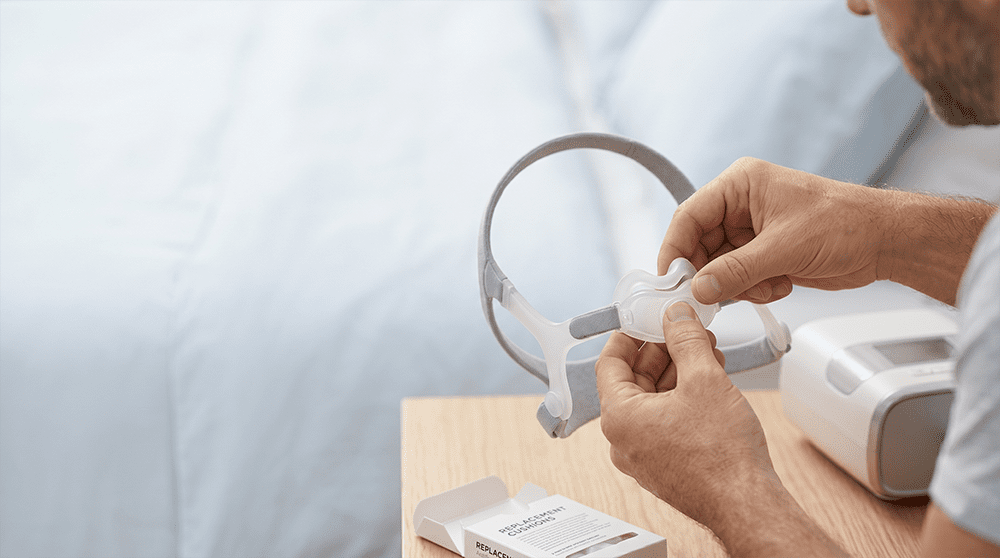
- Replace mask parts: If it's been a while since you replaced your mask components, a leak might also indicate that it’s time to replace the headgear, cushion, or frame.
- Switch masks: If your mask doesn’t work well with your facial features or facial hair, or if you think your mask style might be causing leaks, you might want to consider choosing a new CPAP mask. Fit packs, which come with more than one cushion size, can help simplify the process of finding a mask that fits your face and your needs.
- Address nasal congestion: Some people find that using a CPAP humidifier is enough to relieve their nasal congestion caused by nasal dryness, while others may need further treatment for underlying sinus issues, so speak to your doctor about what approach is right for you.
- Minimize mouth breathing: If you find that you breathe through your mouth, you might want to consider using a chin strap. Although chin straps don't work for everyone, they're an easy and effective solution to mouth breathing for many people.
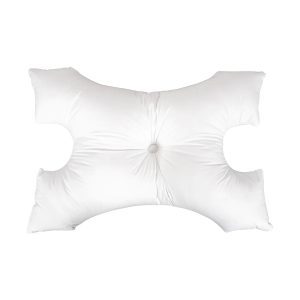
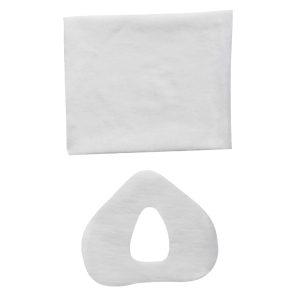
- Use CPAP accessories: Accessories can help reduce mask leaks by targeting the underlying problem. CPAP mask liners can change the way your mask fits, for example, while CPAP pillows have cut-outs and curves that leave space for your mask when you’re sleeping on your side.
Products to Help Stop Mask Leaks



How to Prevent CPAP Mask Leaks
You can take steps to prevent CPAP mask leaks before they occur. In addition to preventing mask leaks, making these steps part of your routine will keep your equipment clean and may extend the lifespan of your mask components.
- Prepare your skin: Both natural skin oils and skin care products like lotions or serums can interfere with your CPAP mask’s seal and may cause the components to break down faster. Washing your face nightly and allowing moisturizers to fully absorb before wearing your mask can help prevent these issues.
- Follow a mask replacement schedule: CPAP mask components should be replaced as they become worn or damaged. If you receive CPAP coverage from your insurance provider, you may need to follow their suggested replacement schedule.
- Keep your equipment clean: Cleaning your CPAP mask keeps it hygienic and prevents the components from breaking down and causing leaks. Cleaning schedules may vary between masks, but most manufacturers recommend cleaning the cushion after each use and the headgear and frame once a week.
- Try a different mask type: If leaks persist, switching mask styles may help. For example, some people find that nasal pillow masks create a more secure seal than bulkier full-face masks.
- Check your machine’s leak data: Many CPAP machines track leak rates (often measured in liters per minute, or L/min). Reviewing this data can help you identify whether leaks are occurring and if adjustments are needed.
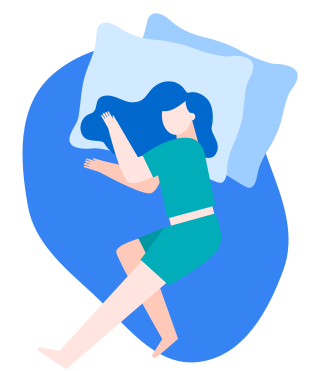
- Adjust your sleeping position: Sleeping on your stomach or pressing your mask into the pillow can disrupt the seal. Side or back sleeping positions may help reduce leaks.
- Address nasal congestion: Nasal congestion can lead to mouth breathing and increase the likelihood of leaks. Using a humidifier, nasal spray, or other treatments may help keep airways clear and improve mask performance.
Frequently Asked Questions
Water leaking from a CPAP mask is often caused by condensation inside the tubing or mask, a problem commonly known as “rainout.” Rainout occurs when warm, humid air from the humidifier cools as it travels through the tubing, causing water droplets to form. Reducing the humidifier setting, using a heated tube, insulating the tubing, or keeping the CPAP machine lower than your bed may help prevent water buildup.
CPAP masks are designed with small vent holes that intentionally release exhaled air. This type of airflow is normal and necessary for safe operation. However, air should not leak around the edges of the mask or toward your eyes. These unintentional leaks can reduce the effectiveness of CPAP therapy and may indicate a fit, sizing, or equipment issue.
Yes, facial hair can make it more difficult for a CPAP mask to form a secure seal against the skin. Beards and mustaches may create small gaps between the mask cushion and your face, allowing pressurized air to escape. Some people are able to maintain a good seal with facial hair by adjusting their mask fit or choosing a different mask style, but others may experience fewer leaks with a trimmed beard or a mask designed to accommodate facial hair.
The replacement schedule depends on the type of mask and your manufacturer's recommendations, but many CPAP users replace their full-face mask cushion every month and their nasal cushions or pillows every two weeks (twice a month). But if you notice increasing leaks, discomfort, or visible signs of wear sooner, it may be time for a replacement.
Medical Disclaimer: This content is for informational purposes and does not constitute medical advice. Please consult a health care provider prior to starting a new treatment or making changes to your treatment plan.

Still have questions?
Sleep apnea products can be confusing. If you need individualized assistance, post your question to the Sleep Doctor forum.

Written by
Jay Summer, NBC-HWC, Contributing WriterJay Vera Summer is a writer, editor, and wellness coach. She holds a Bachelor's of Science in psychology and Master's degrees in both writing and public policy. As a wellness coach, she's certified by the Mayo Clinic and the National Board for Health and Wellness Coaching (NBHWC). She's been writing about sleep and other health topics for six years. Previously, she taught undergraduate writing courses for five years at the University of South Florida.

Reviewed by
Dustin Cotliar, MD, MPH, Medical ReviewerDr. Dustin Cotliar is a board-certified emergency medicine physician with more than eight years of clinical experience across emergency departments and urgent care settings. He earned his medical degree from the State University of New York (SUNY) Downstate College of Medicine and a Master of Public Health from Columbia University.