At a Glance
Sleep apnea surgery includes several procedures that remove, reposition, or tighten tissues in the mouth, throat, or nose to improve airflow during sleep. Doctors typically only consider surgery when other treatments like CPAP or oral appliances are ineffective or difficult to tolerate.
When treatments like CPAP or oral appliances don’t provide enough relief, surgery for sleep apnea can improve breathing by creating more space in the airway or by increasing airway stability. Several surgical procedures are available, and the right option depends on the underlying cause of the airway blockage, the severity of sleep apnea, and a person’s overall health.
When considering surgery, it may be helpful to learn about each type of surgery, their risks, and how they work to improve nighttime breathing. Knowing a little bit about surgical options may also help you determine what types of questions to ask when you talk with your doctor about possible sleep apnea surgery.
Considering Treatment? Start With the Right Diagnosis
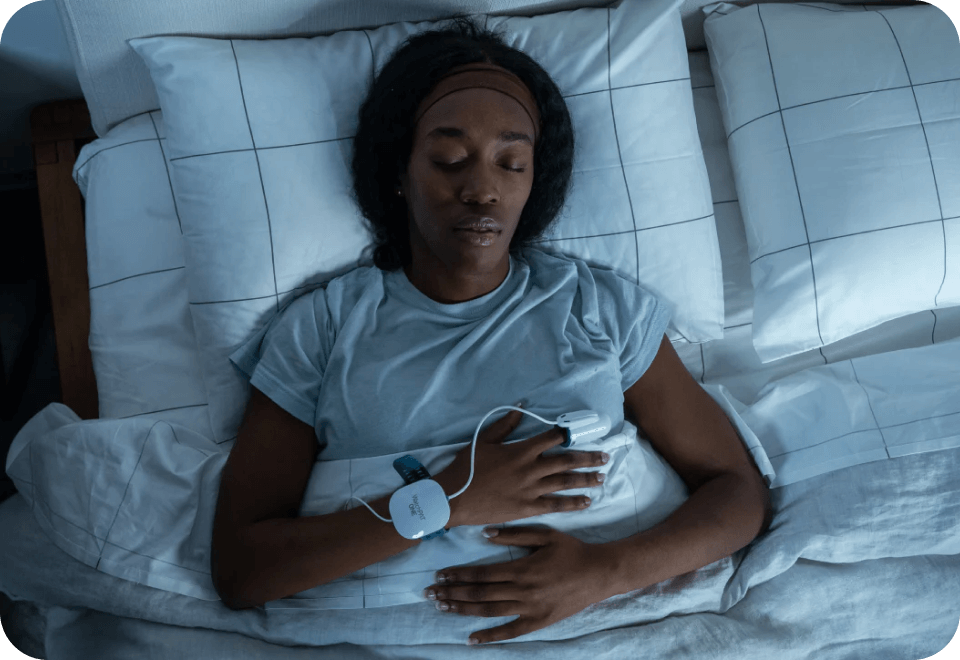
Medications and surgery aren’t right for everyone. Sleep Doctor’s home sleep study helps confirm if you have sleep apnea so you can choose the best treatment.
What Is Sleep Apnea Surgery?
Surgery is a treatment option for some, but not all, people with obstructive sleep apnea (OSA). Obstructive sleep apnea is a common sleep disorder that happens when tissues of the airway repeatedly collapse during sleep. Sleep apnea surgery works by making the airway larger or by helping the airway to keep its shape during sleep.
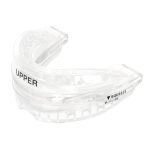
Before recommending sleep apnea surgery, doctors often try less invasive ways of improving breathing. For example, a doctor may suggest weight loss, because people who weigh more are at a higher risk of sleep apnea. Doctors may also suggest positive airway pressure (PAP) therapy like a CPAP machine or oral appliance therapy using a custom-fit mouth guard.
If other treatments aren't effective or are too difficult to tolerate, then a doctor may recommend surgery to reduce nighttime breathing issues, such as snoring. It can also reduce daytime sleepiness and improve quality of life for people with obstructive sleep apnea. Surgery may be used alone or in combination with other treatments like PAP therapy.
Unlike in adults, where surgery is only used when other treatments don’t work, surgery to remove the tonsils and adenoids is commonly used for treating obstructive sleep apnea in children. The adenoids and tonsils are tissues in the throat that filter out germs. Children often have enlarged adenoids or tonsils that block breathing during sleep and cause sleep apnea.
Types of Surgery for Sleep Apnea
There are many different surgeries for obstructive sleep apnea. There isn't a one-size-fits-all approach, because the best option depends on an individual’s body as well as the source of any breathing obstructions.
Upper Throat and Mouth Surgeries
The most common source of airway obstructions is the upper portion of the throat. Sleep apnea surgeries address problems in the mouth and upper throat by removing, tightening, or moving tissues at the back of the tongue, the roof of the mouth, or on the side and back of the throat.
- Uvulopalatopharyngoplasty (UPPP): UPPP is the most common sleep apnea surgery. It decreases or tightens tissue of the palate and throat. There are many variations of UPPP, but the best type depends on an individual’s anatomy.
- Removal of the adenoids or tonsils: The adenoids or tonsils may be removed alone or during a UPPP surgery if these tissues interfere with breathing.
Lower Throat and Voice Box Surgeries
Surgery to the voice box and the lower portion of the throat help to address potential blockages in these areas. These surgeries are often performed in conjunction with surgeries of the upper airway and mouth.
- Tongue reduction: Removing tissue from the tongue can help prevent obstructions to breathing that can occur when the back of the tongue slips back during sleep and blocks the airway.
- Lingual tonsillectomy: The lingual tonsils are a part of the immune system located at the back of the tongue. These tissues can sometimes be a cause of sleep apnea, so removing them may improve nighttime breathing.
- Genioglossus advancement: The genioglossus muscles help the tongue move forward and side to side. These muscles are an important target for sleep apnea treatment because they also help keep the airway open. Surgery can shift these muscles forward so the base of the tongue doesn’t block the airway during sleep.
- Epiglottis surgery: Sleep apnea surgery may also target the epiglottis, which is the tissue near the back of the tongue that opens during breathing and closes during swallowing. Epiglottis surgery works by stabilizing this tissue to reduce the chances of it blocking the airway during sleep.
- Lingual frenectomy: This type of surgery removes the lingual frenulum, a band under the tongue that connects the tongue to the bottom of the mouth. It may improve nighttime breathing by giving the tongue a greater range of motion.
Nasal Surgeries
Nasal surgeries for obstructive sleep apnea help to eliminate any blockages in the nose that may impair breathing at night. These procedures are typically used to improve the effectiveness of other treatments, including CPAP therapy, an oral appliance, or another sleep apnea surgery. There are several types of nasal surgeries.
- Turbinate reduction: Nasal turbinates are thin bones located inside the nostrils that can block airflow when they are large or become inflamed. A surgeon can use several procedures to reduce the size of nasal turbinates and clear breathing obstructions.
- Septoplasty: Breathing issues can also be caused by the nasal septum, which is the cartilage and bone in the middle of the nose that separates the nostrils. During the procedure, tissues in the nasal septum may be shifted or removed.
- Nasal valve surgery: The nasal valves are a narrow area in the nose that limits the rate at which air can be inhaled. Surgery may be used to correct abnormalities in the nose that reduce the size of the nasal valves and contribute to breathing issues during sleep.
- Rhinoplasty: This type of surgery fixes or changes the shape of the nose and may be suggested if the shape of a person’s nose contributes to their sleep apnea.
- Endoscopic surgery: Nasal endoscopy is a procedure in which a doctor uses a thin tube to view the inside of the nose. Doctors can use this tool to remove polyps or other tissues that may be causing sleep apnea.
Global Airway Surgeries
Global sleep apnea surgeries don’t target a specific part of the airway. Instead, these procedures address issues in both the upper and lower airway or bypass the airway altogether.
- Maxillomandibular advancement (MMA): This procedure shifts the lower jaw and related tissues forward, targeting multiple parts of the airway at the same time. Because this procedure can change a person’s bite, it often requires orthodontics before and after the procedure.
- Maxillary expansion: Surgically assisted rapid maxillary expansion uses various techniques to address an underdeveloped upper jaw, which can affect breathing and contribute to sleep apnea.
- Tracheostomy: Rarely, obstructive sleep apnea becomes severe so that no other treatments are effective. When this happens, a doctor may recommend a tracheostomy as a last resort. A tracheostomy creates an opening in the neck and can be used to bypass an obstructed airway in people with obstructive sleep apnea.
- Hypoglossal nerve stimulation: A nerve stimulation device, commonly referred to as Inspire, can be surgically implanted to improve breathing. This treatment works by using electricity to stimulate a nerve that pushes the tongue forward and shifts muscles in the roof of the mouth to improve airflow through both the upper and lower airway.
Another type of nerve stimulation called phrenic nerve stimulation may be recommended for some people with central sleep apnea (CSA). Central sleep apnea is a form of sleep apnea that happens when the brain briefly stops signaling the body to breathe. Phrenic nerve stimulation works by stimulating a nerve that helps chest muscles contract and initiate breathing.

Weight Loss Surgery
Weight loss surgery may be recommended for people with obstructive sleep apnea who are also diagnosed with obesity. Obesity can increase the risk of the airway collapsing during sleep due to the effects of body fat on the size of the airway, lung capacity, and the function of muscles in the throat.
Surgery for weight loss has been shown to significantly reduce nighttime breathing issues in people with a body mass index (BMI) of 40 or higher. There are three main types of weight loss surgery.
- Gastric sleeve: Gastric sleeve surgery involves the removal of most of the stomach tissue. The small amount of remaining tissue is closed with staples, reducing the amount of food that can be eaten before becoming full.
- Gastric bypass: Instead of removing part of the stomach, gastric bypass surgery makes the stomach smaller by using staples to create a small pouch at the top of the stomach. At the same time, portions of the intestines are moved to reduce the amount of calories that can be absorbed from foods.
- Adjustable gastric band: In adjustable gastric band surgery, a ring is placed around the stomach to reduce its size. This ring includes an adjustable band that can be filled with saline to change the size of the ring’s opening.
How Doctors Determine the Right Surgery
Choosing the right sleep apnea surgery depends on identifying where and why the airway becomes blocked during sleep. Because obstructive sleep apnea can involve multiple areas of the airway—including the nose, soft palate, tongue, or jaw—doctors perform a thorough evaluation before recommending a surgical procedure.
- Sleep study: The process usually begins with a sleep study, which confirms the diagnosis and measures the severity of sleep apnea. Your doctor will also review your medical history, symptoms, and any previous treatments, such as CPAP therapy or oral appliances.
- Drug-induced sleep endoscopy (DISE): To better understand the structure of your airway, doctors may perform a physical exam or imaging tests. In some cases, they use a procedure called drug-induced sleep endoscopy (DISE), which involves placing a small camera into the airway while you are under light sedation. This allows doctors to observe how the airway behaves during sleep and pinpoint the areas that collapse or become obstructed.
Factors such as body weight, facial anatomy, overall health, and the specific location of the airway blockage all help guide the decision. In many cases, the goal of surgery is not only to reduce breathing interruptions but also to improve how well other treatments work.
Risks and Possible Complications
Although sleep apnea surgery is often helpful in reducing symptoms of sleep apnea, these procedures can have certain risks and side effects. The type of side effects and how often they occur depend on the type and extent of surgery. Potential side effects of sleep apnea surgery include:
- Pain
- Swelling
- Infection
- Difficulty swallowing
- Nose bleeds or congestion
- Changes in taste
- Paralysis of the tongue
Weight loss surgery can improve weight loss and reduce the risk of complications from obesity, including sleep apnea. When considering weight loss surgery, it’s important to be aware of potential side effects, including:
- Bleeding
- Infection
- Diarrhea
- Blood clots
- Problems absorbing nutrients
Another risk of sleep apnea surgery is the potential need for multiple procedures. Several surgical procedures may be performed during the same visit, or doctors may recommend a multistage approach in which surgeries are performed consecutively at multiple visits.


Alternatives to Sleep Apnea Surgery
Surgery is not the first-line treatment for most people with obstructive sleep apnea. Many people are able to manage their symptoms effectively with non-surgical treatments. Common alternatives to sleep apnea surgery include:
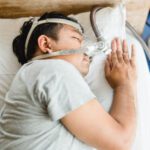
- CPAP therapy: Continuous positive airway pressure (CPAP) machines deliver a steady stream of air through a mask to keep the airway open during sleep. CPAP is the most widely used and effective treatment for obstructive sleep apnea.
- Oral appliances: These custom-made devices are worn in the mouth during sleep and reposition the lower jaw or tongue to help keep the airway open. Oral appliances are often recommended for people with mild to moderate sleep apnea or for those who cannot tolerate CPAP.
- Weight loss: Excess weight, especially around the neck, can contribute to airway blockage during sleep. Losing weight may reduce the severity of sleep apnea for some people.
- Positional therapy: Some people experience more breathing interruptions when sleeping on their back. Positional therapy encourages sleeping on the side to help keep the airway open.
- Lifestyle changes: Avoiding alcohol before bedtime, quitting smoking, and maintaining good sleep habits can help reduce sleep apnea symptoms.
A sleep specialist can help determine which treatment—or combination of treatments—is most appropriate based on the severity of sleep apnea and individual health factors.
How to Talk to Your Doctor About Sleep Apnea Surgery
Your primary care doctor or sleep specialist can answer general questions about sleep apnea surgeries, while an otolaryngologist, also called an ENT doctor, can provide you with more detailed information. Prior to recommending a specific surgery, a doctor or specialist will perform a presurgical evaluation.
During a presurgical evaluation, doctors collect information about a person’s medical history and conduct a physical examination of the head and neck. During this exam, the doctor will look for any issues that could be contributing to nighttime breathing issues. In some cases, a doctor may use endoscopy or specialized imaging tests to find the source of breathing problems.
Candidates for sleep apnea surgery are usually people who have an issue that can be corrected surgically and who are healthy enough to undergo the surgical procedure. Surgery may not be an option for people with other severe medical conditions.
If you’re considering sleep apnea surgery, you may find it helpful to ask questions during your exam, such as:
- Am I a good candidate for sleep apnea surgery?
- What type of surgery is recommended for me?
- How will surgery benefit me?
- What are the potential risks and side effects of sleep apnea surgery?
- How long will it take to recover from surgery and what should I expect during the recovery process?
- Will I need other sleep apnea treatments after surgery?
By asking these questions, you can learn more about what to expect from sleep apnea surgeries. In turn, this may help you and your doctor decide on the best treatment plan for you.
Frequently Asked Questions
The best surgery for sleep apnea depends on the cause and location of the airway blockage. Different procedures target different parts of the airway, such as the soft palate, tongue, nose, or jaw. For example, maxillomandibular advancement (MMA) often has some of the highest success rates for severe obstructive sleep apnea, while procedures like uvulopalatopharyngoplasty (UPPP) may be used to remove excess tissue from the throat.
A sleep specialist and surgeon typically evaluate airway anatomy and sleep study results to determine the most appropriate option.
Success rates for sleep apnea surgery vary depending on the procedure and the individual patient. Some procedures reduce the severity of sleep apnea rather than eliminate it completely. For example, maxillomandibular advancement surgery can improve symptoms in many patients with moderate to severe obstructive sleep apnea, while other procedures may provide more modest improvements.
In some cases, surgery can significantly reduce or even resolve obstructive sleep apnea. However, surgery isn't guaranteed to cure the condition for everyone. The effectiveness of surgery depends on factors like the severity of sleep apnea, the specific cause of airway blockage, and overall health. For many people, surgery improves breathing and reduces symptoms but may still need to be combined with other treatments.
The cost of sleep apnea surgery varies widely, depending on the type of procedure, the hospital or surgical center, and the patient’s insurance coverage. Some procedures may cost several thousand dollars, while more complex surgeries can be significantly more expensive. In many cases, health insurance may cover part of the cost if the surgery is considered medically necessary.
Medicaid may cover sleep apnea surgery when it's considered medically necessary and recommended by a healthcare provider. Coverage can vary by state and by the specific procedure being performed. Patients typically need documentation of a sleep apnea diagnosis and evidence that other treatments, such as CPAP therapy, weren't effective or tolerated. Checking with the state Medicaid program or healthcare provider can help clarify coverage details.
Medical Disclaimer: This content is for informational purposes only and isn't a substitute for professional medical advice. Consult your healthcare provider with questions about any symptoms you're experiencing or before changing or stopping an existing treatment.

Written by
Amber Garnett, Contributing WriterAmber is a freelance writer who resides in Seattle. Amber has worked as a clinical social worker in the medical field for over a decade. She loves long nature walks, traveling and reading poetry.

Reviewed by
Howard J. Hoffman, DDS, Medical ReviewerDr. Howard J. Hoffman is a dentist specializing in dental sleep medicine and the treatment of obstructive sleep apnea and temporomandibular joint (TMJ) disorders. With more than four decades of experience in dentistry and over 25 years focused on sleep apnea treatment, he works with physicians and sleep specialists to help patients manage sleep-disordered breathing using oral appliance therapy.