At a Glance
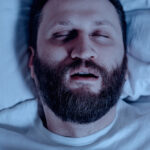
Sleep apnea is a sleep disorder in which breathing repeatedly stops or becomes shallow during sleep, often due to airway blockage or disrupted breathing signals from the brain. These breathing interruptions can fragment sleep, reduce oxygen levels, and lead to symptoms such as snoring, daytime fatigue, and long-term health risks if untreated.
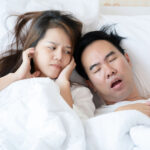
If you’ve ever woken up feeling exhausted despite a full night in bed, or been told you snore loudly or gasp in your sleep, you might be dealing sleep apnea, a common but serious sleep disorder that involves frequent disruptions in breathing during sleep.
People with this condition often don't realize that their nighttime breathing is abnormal. But knowing more about the types of sleep apnea, as well as its causes, symptoms, and treatment, can allow people concerned about sleep apnea to take a more active role in improving their sleep and health.
Overview of Sleep Apnea
Sleep apnea causes repeated interruptions in breathing during sleep. These interruptions, called apneas, can last from a few seconds to over a minute and may occur dozens or even hundreds of times throughout the night.
Each pause in breathing lowers blood oxygen levels, which triggers the brain to wake the person up just enough to resume breathing—often with a loud gasp, snort, or choking sound. These repeated awakenings prevent the body from achieving deep, restorative sleep and can place significant strain on the heart, lungs, and other systems over time.
Think You May Have Sleep Apnea? Try an At-Home Test

our partner at sleepdoctor.com
10% off Home Sleep Tests
Buy Now“Truly grateful for this home sleep test. Fair pricing and improved my sleep!”
Dawn G. – Verified Tester

Simple and convenient
- Equipment delivered to your doorstep
- One overnight test in the comfort of your own bed

Uncover sleep apnea
- Quietly collects data while you sleep
- 98% effective in detecting sleep apnea

Affordable & ships fast
- Arrives in 2-4 business days
- In-lab sleep tests cost ~$3,000+ (this one’s $189), HSA/FSA eligible


Types of Sleep Apnea
There are two main types of sleep apnea, as well as a third, less common one. Each involves disrupted breathing during sleep, but there are important differences that affect their diagnosis, symptoms, and treatment.
Obstructive Sleep Apnea
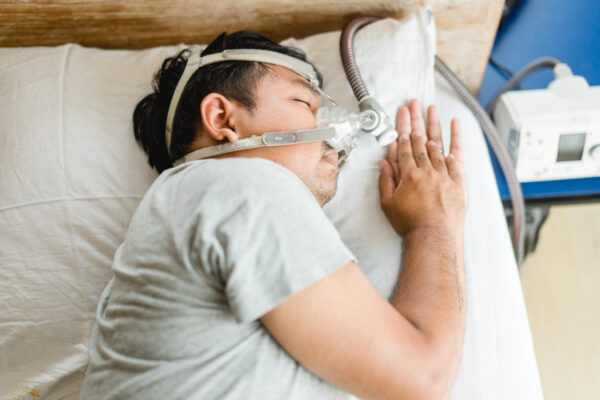
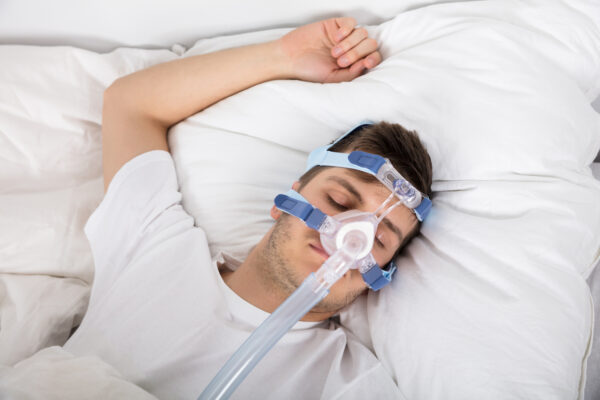
Obstructive sleep apnea (OSA) is estimated to affect between 10% and 30% of adults in the United States, making it the most common type of sleep apnea.
In people with OSA, air cannot move freely through the airway during sleep. This happens because the surrounding muscles and tissues slacken, which can constrict or collapse the airway. This can trigger recurrent partial awakenings to restore breathing, fragmenting sleep and making it less refreshing.
Central Sleep Apnea

Central sleep apnea (CSA) is a less common type of sleep apnea that affects fewer than 1% of people. Individuals with CSA have episodes of stopped, slowed, or shallow breathing during sleep that occur because of a failure in communication between the brain and the muscles responsible for respiration.
Complex/Mixed Sleep Apnea
When a person with OSA develops symptoms of CSA after starting positive airway pressure (PAP) therapy, this is known as treatment-emergent central sleep apnea. This subtype of central sleep apnea was previously called complex sleep apnea.
While PAP therapy reduces the breathing interruptions associated with obstructions in the airway, treatment-emergent central sleep apnea results in more breathing interruptions related to the communication between the brain and breathing muscles.
Sleep Apnea Symptoms
Obstructive and central sleep apnea can cause symptoms both during sleep and during the day. People with sleep apnea may not realize they are breathing abnormally during sleep, so nighttime symptoms may be first witnessed by a bed partner or caregiver.
Obstructive Sleep Apnea Symptoms
- Excessive sleepiness during the day
- Regular snoring
- Interrupted breathing or gasping sounds during sleep, as heard by a bed partner
- Morning headaches
- Restless sleep
- Trouble staying asleep
- Frequent nighttime urination
- Mood changes during day, such as irritability
- Decreased concentration or attention span
- Night sweats
- Never feeling refreshed upon awakening
Central Sleep Apnea Symptoms
The symptoms most often associated with central sleep apnea include:
- Frequent pauses in breathing, shallow breaths, or other abnormal respiration
- Difficulty staying asleep through the night
- Significant daytime sleepiness
- Shortness of breath at night
- Reduced concentration
- Morning headaches

Sleep Apnea Causes
Although abnormal breathing occurs in both obstructive and central sleep apnea, the underlying cause helps distinguish the two conditions.
Causes of Obstructive Sleep Apnea
Obstructive sleep apnea is caused when muscles and tissues block the upper airway that carries air to and from the lungs. When muscles in the throat relax during sleep, they can obstruct the airway. If the airway narrows or collapses, breathing may diminish or stop entirely.
Without proper respiration, oxygen levels fall, which can force an awakening in order to open the upper airway and take in more air. These awakenings are often so brief that a person does not notice, but the cycle repeats when they fall back asleep. This recurring process causes shallower, fragmented sleep through the night.
Cause of Central Sleep Apnea
The cause of central sleep apnea is a lack of proper signals from the medulla, the part of the brain that controls breathing, to the lungs. This may result in repetitive episodes of shallow breathing or pauses in breathing.
Risk Factors for Sleep Apnea
Risk factors can increase a person’s chances of developing a medical problem. Different risk factors affect the likelihood of having either obstructive or central sleep apnea.
Obstructive Sleep Apnea Risk Factors
Researchers who study obstructive sleep apnea have identified several factors that have the clearest relationship to a person’s risk of developing OSA.
- Sex: In general, men or people assigned male at birth are twice as likely to develop OSA as women or people assigned female at birth. The difference in risk between these groups gets smaller later in life.
- Age: Starting in young adulthood, the risk of OSA grows as a person gets older until it levels out sometime after turning 60 years old.
- Excessive weight: People with a higher body-mass index (BMI) have an increased risk of having OSA.
- Specific anatomic features: Having a tongue that is larger or a lower jaw that is shorter can make it more likely for a person’s airway to become blocked during sleep.
Other factors that are also believed to increase a person’s risk of OSA include:
- Sleeping on the back
- Smoking cigarettes
- Having frequent nasal congestion
- Having a family history of OSA
- Using alcohol, sedative drugs, or drugs that affect muscle tone or sleep
- Having certain health problems, including disorders that affect thyroid hormones or growth hormone
Central Sleep Apnea Risk Factors
Several factors influence a person’s risk of developing central sleep apnea.
- Age: CSA is generally more common in people who are older than 65 years old.
- Sex: Men or people assigned male at birth have a heightened risk of CSA.
- Altitude: As a consequence of the reduced amount of oxygen at high altitudes, CSA is more likely in people who spend time at high elevations.
- Opioid medications: Long-term use of certain drugs, including medications used to treat opioid abuse, has been linked to a greater likelihood of having CSA.
In many cases, CSA is a result of an underlying medical issue. Examples of health problems that can cause CSA include:
- Stroke
- An injury or infection that causes damage to the brain stem
- Heart failure
- Kidney failure
Diagnosing Sleep Apnea
To diagnose sleep apnea, a doctor typically starts by finding out about a person’s health history and symptoms. This may include asking a bed partner or family member whether they have observed any signs of sleep apnea. An initial evaluation also involves a physical exam.
While this initial process can reveal possible sleep apnea, more specific testing is required to make a diagnosis. The primary test used to diagnose sleep apnea is a sleep study.
A sleep study involves spending a night in a sleep clinic. During the night, testing with a technique called polysomnography uses sensors to closely measure things like sleep stages, breathing, muscle movement, and oxygen levels.
Data from a sleep study allows the doctor to observe the frequency and type of breathing disruptions that occur during sleep, which enables them to determine if a person has obstructive or central sleep apnea. The results of the sleep study also help the doctor assess the severity of sleep apnea.
While the most reliable testing for OSA includes one or two nights spent in a sleep lab, some people are eligible for at-home sleep apnea testing. At-home testing does not provide as much data as polysomnography. The results must be interpreted by a doctor, and in-clinic polysomnography may still be necessary as a follow-up test.
Sleep Apnea Severity
Sleep apnea severity is typically classified based on the apnea-hypopnea index (AHI), which measures how many times per hour your breathing stops (apneas) or significantly decreases (hypopneas) during sleep. The higher the AHI, the more severe the sleep apnea:
- Mild sleep apnea: 5 to 14 events per hour
- Moderate sleep apnea: 15 to 29 events per hour
- Severe sleep apnea: 30 or more events per hour
Understanding the severity of your condition helps doctors determine the most appropriate treatment plan. Even mild sleep apnea can affect your health and quality of life, so it’s important to seek care and follow up on symptoms regardless of where you fall on the severity scale.
Complications of Sleep Apnea
Sleep apnea can cause significant, and at times life-threatening, complications if it's left untreated. People with sleep apnea have low-quality sleep and a reduced amount of oxygen in their blood, two factors that can combine to create serious health risks.
In central sleep apnea, the underlying cause of breathing disruptions is often the primary driver of potential complications. For obstructive sleep apnea, some of the known potential complications include a heightened risk of:
- High blood pressure, heart disease, and other cardiovascular problems
- Accidents when driving
- Problems thinking or concentrating
- Irritable or depressed mood
- Type 2 diabetes
- Certain types of liver disease
- Pulmonary hypertension
- An increased risk of surgical complications
Fortunately, sleep apnea treatments usually improves sleep, reduces symptoms, and decreases the chances of these complications.
When to Talk to Your Doctor
If a caregiver or partner observes you breathing abnormally during sleep, it's important to make an appointment with your healthcare provider. Many people are not aware of breathing disruptions during sleep. It may be helpful to talk to a doctor if you experience any of these issues:
- Waking up tired despite sleeping seven or more hours
- Falling asleep at inappropriate times, such as while at work or when driving
- Regularly having headaches in the morning
- Awakening from sleep with a feeling that you cannot breathe
- Diminished concentration or ability to focus
- Reliance on caffeine or energy drinks to get through the day
Many people with these symptoms assume that they are being caused by something else, which is part of why sleep apnea is underdiagnosed.
Frequently Asked Questions
Snoring and sleep apnea are related but not the same. Snoring is the sound of air vibrating against relaxed tissues in the throat and is usually harmless. However, loud and frequent snoring can be a sign of sleep apnea—a serious condition where breathing repeatedly stops or becomes very shallow during sleep.
While snoring may be a symptom of sleep apnea, not everyone who snores has the condition. Sleep apnea is typically marked by other signs, such as gasping for air, choking sounds during sleep, excessive daytime fatigue, and pauses in breathing observed by a bed partner.
Sleep apnea is more common than many people realize. Experts estimate that about 1 in 5 adults has at least mild obstructive sleep apnea (OSA), with at least 1 in 15 having moderate to severe OSA.
Central sleep apnea (CSA) is less common and often associated with other health conditions, like heart failure. Despite its prevalence, sleep apnea is frequently underdiagnosed, meaning many people are living with symptoms without realizing they have a treatable disorder.
Yes, sleep apnea can be dangerous if left untreated. The repeated drops in oxygen levels and interrupted sleep can increase the risk of high blood pressure, heart disease, stroke, type 2 diabetes, and abnormal heart rhythms. It can also contribute to daytime fatigue, poor concentration, and increased risk of accidents.
Over time, untreated sleep apnea can significantly impact both physical health and quality of life. Fortunately, effective treatments like CPAP therapy, lifestyle changes, and other interventions can dramatically reduce these risks.
Medical Disclaimer: This content is for informational purposes and does not constitute medical advice. Please consult a health care provider prior to starting a new treatment or making changes to your treatment plan.