Zepbound, a prescription medication originally developed for weight loss, is now approved to treat obstructive sleep apnea (OSA) in adults with obesity. Obesity is one of the most frequent causes of OSA, and studies have shown that, by promoting weight loss, Zepbound can decrease breathing disruptions during sleep in many people with OSA.
For many people, it offers an alternative to CPAP therapy or surgery to manage sleep apnea symptoms and improve overall health.
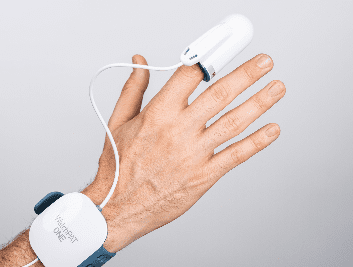
Think You May Have Sleep Apnea? Try an At-Home Test
our partner at sleepdoctor.com
Save 10% + FREE 2-Day Shipping
Add to Cart“Truly grateful for this home sleep test. Fair pricing and improved my sleep!”
Dawn G. – Verified Tester

Simple and convenient
- Equipment delivered to your doorstep
- One overnight test in the comfort of your own bed

Uncover sleep apnea
- Quietly collects data while you sleep
- 98% effective in detecting sleep apnea

Affordable and ships fast
- Arrives in 2-4 business days
- In-lab sleep tests cost ~$3,000+ (this one’s $189), HSA/FSA eligible


What Is Zepbound?
Zepbound is a brand name for the prescription drug tirzepatide, which has been approved by the U.S. Food and Drug Administration (FDA) for three uses:
- To help people with type 2 diabetes regulate their blood sugar levels
- To help certain people lose weight
- To treat obstructive sleep apnea in people with obesity
Zepbound is taken as a weekly injection. It’s a dual GIP and GLP-1 receptor agonist, meaning it activates two hormone receptors in the body that help regulate appetite, blood sugar levels, and metabolism.
How Does Zepbound Help With Sleep Apnea?
Zepbound can help with sleep apnea by promoting weight loss. Obesity is one of the biggest contributing factors to obstructive sleep apnea, and recent studies have shown that people with OSA who take Zepbound experience fewer breathing disruptions during sleep.
In these studies, people with OSA took Zepbound for one year, and researchers measured their weight and tracked how many times their breathing significantly slowed or stopped during sleep. On average, people taking Zepbound lost about 16% of their body weight and had around 50% fewer breathing interruptions compared to people taking a placebo.
These results were found in people who only took Zepbound as their only sleep apnea treatment and in people who took Zepbound while also using a positive airway pressure (PAP) device, such as a CPAP machine.
Based on this research, the FDA approved Zepbound in December 2024 as a treatment for OSA in people with obesity. Because the effect on OSA comes from weight loss, the FDA’s approval calls for Zepbound to be used in combination with a healthy diet and increased physical activity.
What Are the Side Effects of Zepbound?
Gastrointestinal side effects are the most common and include:
- Nausea
- Vomiting
- Constipation
- Burping
- Acid reflux
For most people, these issues are mild to moderate in intensity, and they’re most likely to occur during the first months as the dosage of Zepbound is gradually increased. When these side effects occur, doctors may adjust the dose or recommend other steps to help manage them.
Some other potential Zepbound side effects include:
- Pain in the area where the drug is injected
- Fatigue
- Hair loss
- Rash or fever from an allergic reaction
Rare but serious potential side effects of Zepbound include pancreatitis, kidney failure, gallbladder problems, and depression. There’s also a risk of aspiration when undergoing anesthesia. Based on animal research, there’s also some concern that Zepbound could increase the risk of thyroid tumors for certain people, especially those with a personal or family history of medullary thyroid carcinoma (MTC) or multiple endocrine neoplasia syndrome type 2 (MEN 2).
How Do You Use Zepbound for Sleep Apnea?
If you're prescribed Zepbound for sleep apnea, you take it as a weekly injection. Zepbound typically comes in an injectable pen with a pre-measured dose, but it’s also available in a vial, allowing for injections with a standard needle.
The medication should be injected into the stomach, upper arm, or thigh, rotating the injection site with each weekly dose. Doctors usually start with a low dose and slowly increase the dose, taking into account any side effects and how much weight someone has lost. When taking Zepbound, it’s important to make other lifestyle changes, such as eating a balanced diet and getting regular exercise.
You should continue weekly Zepbound treatment for sleep apnea for as long as it’s prescribed by your doctor. Unfortunately, most people regain weight if they stop taking the drug.
If you’re already using other sleep apnea treatments, such as a CPAP machine, oral appliance, or nerve stimulation device, those treatments may work in concert with Zepbound. Talk with your doctor about the best approach for OSA treatment in your specific case.
Is Zepbound Right for You?
Zepbound may be right for you if you have obstructive sleep apnea and obesity. Studies have shown that Zepbound can contribute to significant weight loss that can help reduce lapses in breathing during sleep.
However, Zepbound isn’t right for everyone. Zepbound may not be a good treatment for OSA if you:
- Do not have obesity
- Have other risk factors for OSA that affect your breathing during sleep, such as a mouth or jaw structure that causes your airway to be narrow
- Have a personal or family history of medullary thyroid cancer
- Have a personal or family history of MEN 2
- Have an allergy to tirzepatide or any other ingredients in Zepbound
Some people also start taking Zepbound and then decide that it’s not right for them, usually because of side effects. Some evidence suggests that as many as 50% of people stop using Zepbound within one year of starting treatment.
Frequently Asked Questions
Only some health insurance plans cover Zepbound for sleep apnea, so whether you have coverage depends on your insurance provider and plan. In general, insurance plans are more likely to cover Zepbound (unlike Ozempic) when it’s prescribed for sleep apnea or diabetes than for obesity.
Insurers that offer coverage for Zepbound often require prior authorization, which means that your doctor needs to submit certain forms in advance before the insurance company will approve coverage.
Without insurance coverage, Zepbound can be expensive, costing more than $1,000 per injection. However, the drug’s manufacturer, Eli Lilly, offers programs that help some people reduce their out-of-pocket costs for this drug.
Medicare may provide coverage for Zepbound through its prescription drug plans, such as Medicare Part D and Medicare Advantage, as long as it’s prescribed as a treatment for sleep apnea (but, in general, not for weight loss).
However, coverage rules can vary based on the state, the prescription plan, and other individual details, and the insurer may require prior authorization before covering Zepbound for sleep apnea.
In some cases, Zepbound may be a replacement for CPAP therapy for sleep apnea. However, whether Zepbound can be used as a sleep apnea treatment without CPAP depends on things like the severity of a person's sleep apnea and how effective Zepbound is in helping to reduce their breathing disruptions.
For treating sleep apnea, Zepbound has been studied in combination with CPAP therapy and as a standalone treatment. In both contexts, it has been found to reduce lapses in breathing. However, for people with severe OSA, Zepbound alone may not be enough to control sleep apnea.
Studies have found that improvements in sleep apnea from taking Zepbound may begin as soon as 20 weeks after starting treatment, although the timeline can vary by individual.
Zepbound can help treat OSA by promoting significant weight loss, which can take time. In addition, Zepbound is normally prescribed at a low initial dose that gradually increases over a period of months, so the rate of weight loss can vary from person to person.

Written by
Eric Suni, Contributing WriterEric Suni has over a decade of experience as a science writer and was previously an information specialist for the National Cancer Institute.

Reviewed by
Dustin Cotliar, MD, Medical ReviewerDustin Cotliar holds a medical degree from the State University of NY (SUNY) Downstate College of Medicine, and a master’s in public health from Columbia University, where he focused on healthcare policy and management. He is board-certified in Emergency Medicine, with over eight years of practice that includes emergency medicine, urgent care, and telemedicine.