At a Glance
Mounjaro is a GIP and GLP-1 agonist that’s FDA-approved to treat type 2 diabetes. And while Mounjaro can improve OSA outcomes for some people, particularly those with obesity or neck circumferences larger than 17 inches, Medicare and other health insurance providers may not cover Mounjaro for sleep apnea. However, they may cover Zepbound, which has the same active ingredient, for people who meet certain guidelines.
The new class of weight-loss drugs like Mounjaro have shown potential for addressing conditions far beyond those they were originally developed to treat. Weight can play a part in many chronic health conditions, and losing weight can improve outcomes in some of these, including sleep apnea.
But not every medication is approved to treat every condition. In this article, we’ll explain what Mounjaro is, how it works, whether or not it can treat sleep apnea, and who might find it beneficial.
Considering Treatment? Start With the Right Diagnosis
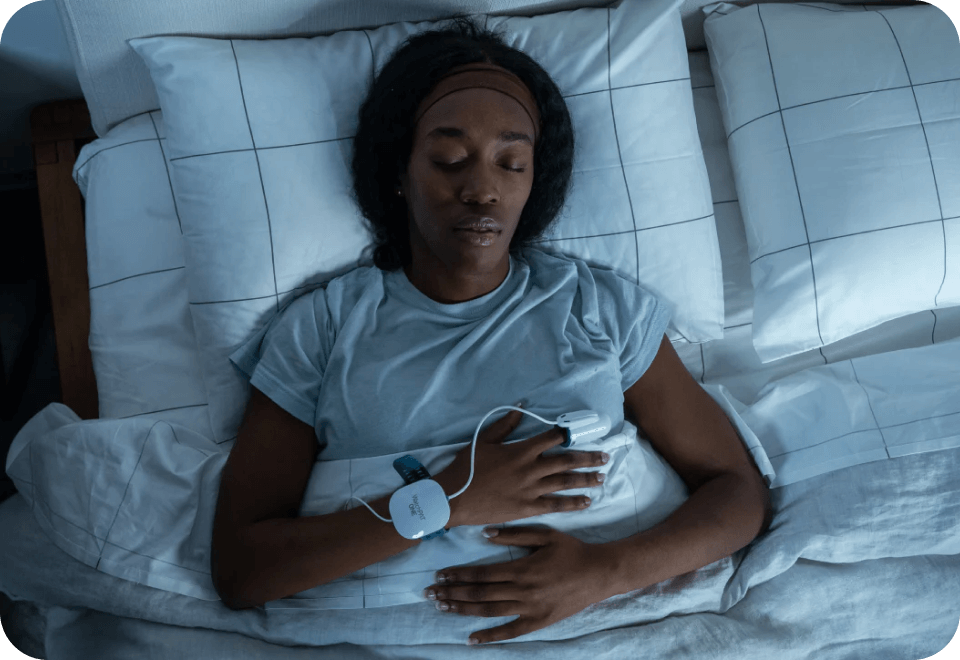
Medications and surgery aren’t right for everyone. Sleep Doctor’s home sleep study helps confirm if you have sleep apnea so you can choose the best treatment.
What Is Mounjaro?
Mounjaro is a dual-agonist prescription medication that mimics the glucagon-like peptide-1 (GLP-1) and glucose-dependent insulinotropic polypeptide (GIP) hormones that regulate blood sugar. Its active ingredient is tirzepatide, which is the same active ingredient as Zepbound. Like Zepbound, Mounjaro is also made by Eli Lily. It’s an injectable drug that can promote weight loss.
Mounjaro is Food and Drug Administration (FDA)-approved to treat type 2 diabetes but not sleep apnea. It’s also often prescribed as a weight-loss drug and has other off-label uses as well.
Does Mounjaro Help With Sleep Apnea?
Mounjaro isn’t FDA-approved to treat sleep apnea, but like other GLP-1 agonists, it can help improve sleep apnea outcomes in certain people. Though Mounjaro doesn’t specifically treat sleep apnea, it can decrease body weight enough to improve obesity-related sleep apnea symptoms.
Obstructive sleep apnea (OSA) results in repeated pauses or stops in breathing that occur when a person’s upper airway collapses. Sometimes, this collapse occurs because excess weight around the neck presses on breathing passages, narrowing and obstructing the airway. Neck size can make a difference. A neck circumference greater than 17 inches can be a risk factor for developing OSA in men (greater than 16 inches for women). Abdominal weight may also reduce lung volumes.
GLP-1 agonist medications, including Mounjaro, may be able to help improve OSA outcomes by lowering body weight. As a person’s weight decreases, the fat deposits within their tongue and around their neck decrease too, which takes pressure off their airway.
How Does Mounjaro Help Sleep Apnea?
Weight loss appears to be the driving force in reducing apneic events. Less weight around the neck means less pressure on the airway, allowing for open breathing passages that aren’t obstructed. This could also help improve sleep quality overall.
There’s also evidence to suggest that tirzepatide, the active ingredient in Mounjaro, can reduce a person’s apnea-hypopnea index (AHI) score, meaning they stop breathing fewer times during an hour of sleep than without the drug.
In one trial, participants taking tirzepatide had, on average, 20 fewer breathing pauses per hour than those taking the placebo, though patients still needed treatment for their sleep apnea. This amounted to a 50% average reduction in the AHI, with an average 20% reduction in weight at one year. It’s possible that further benefit may be attained beyond this timeframe.
Researchers acknowledge that OSA may improve after taking these medications, but that more long-term trials are needed to understand the connection between the two, as well as any potential for negative effects.
Who Might Benefit
The people most likely to benefit from taking Mounjaro for sleep apnea are those with obesity. Clinical trials point to weight loss being the main factor in improving OSA severity. The drug is less likely to help those with OSA if they aren’t obese or overweight.
Risks and Considerations
Mounjaro has documented side effects, some of which can be serious. The most common side effects are gastrointestinal; some people experience nausea, diarrhea, vomiting, constipation, and stomach pain.
More serious side effects include pancreatitis, low blood sugar, changes in vision, and gallbladder problems.
You shouldn’t take Mounjaro if you or your family have a history of medullary thyroid cancer (MTC) or the autosomal dominant genetic condition called multiple endocrine neoplasia syndrome type 2 (MEN-2). Mounjaro is also not advised for people with type 1 diabetes or anyone allergic to tirzepatide.
Mounjaro vs. Zepbound: Which Is Better for Sleep Apnea?
Zepbound and Mounjaro are the same active ingredient, tirzepatide, manufactured by Eli Lilly, that works as a GIP and GLP-1 receptor agonist to regulate appetite and blood sugar. That said, only Zepbound is FDA-approved to treat sleep apnea. Mounjaro is only FDA-approved to treat type 2 diabetes.
Though you can use Mounjaro as an off-label OSA medication, it’s easier for most people to get Zepbound prescribed and covered by insurance if they’re intending to use it as an OSA treatment. However, there are specific prescribing guidelines for Zepbound for sleep apnea, including an OSA diagnosis and a BMI of 27 or higher.


What Are Other Treatment Options for Sleep Apnea?
There are several effective alternative treatment options for sleep apnea other than Mounjaro or Zepbound. Some are common and uninvasive, while others are irreversible surgical procedures.
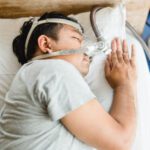
- CPAP: Continuous positive airway pressure (CPAP) machines deliver pressurized air to your breathing passages via a mask that sits around your mouth, nose, or both. The pressurized air prevents your soft palate and tongue from collapsing into the airway. CPAP therapy is the most widely used and prescribed OSA treatment in the U.S.
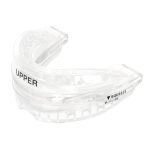
- Oral appliances: There are two types of oral appliances that treat OSA: mandibular advancement devices (MADs) and tongue-retaining devices (TRDs). Both fit similarly to a mouthguard. MADs shift your jaw forward, while TRDs have gentle suction that keeps your tongue away from your breathing passages.
- Lifestyle changes: Most OSA treatment options work best when combined with lifestyle changes, including weight loss and exercise. Side sleeping can also help, as can limiting alcohol, tobacco, and nervous system depressants. Nasal allergy treatments may also be helpful in susceptible individuals.
- Inspire: Inspire is a surgical implant with two main components: a breathing monitor and a nerve stimulator. It works by stimulating the hypoglossal nerve that controls your tongue and moving it away from your airway.
- Sleep apnea surgery: There are multiple types of sleep apnea surgeries with different outcomes, but most focus on surgically altering the airway to open it up or remove obstructions. Surgeries are generally a last resort and are only considered after other treatments fail.
Frequently Asked Questions
Mounjaro is not FDA-approved for sleep apnea, but it’s used as an off-label sleep apnea treatment and it can improve OSA symptoms for some people. Mounjaro shares the same active ingredient (tirzepatide) as Zepbound, which is FDA-approved for sleep apnea. Mounjaro and Zepbound are both manufactured by Eli Lilly.
Insurance may not cover Mounjaro for sleep apnea, as it’s not FDA-approved to treat sleep apnea. As of 2026, Mounjaro is FDA-approved for type 2 diabetes. The drug Zepbound, which has the same active ingredient, is more likely to be covered by insurance, as it’s FDA-approved to treat sleep apnea.
However, insurance coverage for Mounjaro in sleep apnea treatment varies by plan. In some cases, coverage may be possible with prior authorization and a documented diagnosis, particularly if off-label use is permitted. Because requirements differ, it’s best to check directly with your insurance provider to understand your specific benefits.
Medicare could cover Mounjaro if you’re able to get it approved for off-label use. Coverage varies according to your Part D coverage details. It may be easier to get Medicare coverage for Zepbound, which is a GLP-1 medication with the same active ingredient as Mounjaro.
You may be able to get Medicare coverage for Zepbound instead of Mounjaro if you meet certain diagnostic criteria, including a minimum BMI and a diagnosis of moderate to severe OSA.
As of 2026, Mounjaro isn’t set to go forward for FDA-approval to treat sleep apnea. Eli Lilly already manufactures Zepbound for sleep apnea, so the company may not choose to move forward with approval for both drugs. If you want to treat sleep apnea with Mounjaro, consider asking your doctor about Zepbound, which also has tirzepatide as its active ingredient.
Medical Disclaimer: This content is for informational purposes only and isn't a substitute for professional medical advice. Consult your healthcare provider with questions about any symptoms you're experiencing or before changing or stopping an existing treatment.

Written by
Cassandra Burns, Contributing WriterCassandra is a health writer who writes about sleep products and reads emerging research to develop science-based articles that help demystify the connection between health and sleep. She's happy to report that she sleeps well most nights, which is probably thanks to her energetic dog and her other work managing a family-owned whitewater rafting business in Upstate New York.

Reviewed by
Brandon R. Peters, MD, FAASM, Medical ReviewerDr. Brandon R. Peters is a board-certified neurologist and sleep medicine physician who specializes in diagnosing and treating sleep disorders, including insomnia, obstructive sleep apnea, circadian rhythm disorders, and narcolepsy. He is a Fellow of the American Academy of Sleep Medicine and currently practices at Virginia Mason Franciscan Health in Seattle.