At a Glance
Snoring strips are adhesive bands placed across the nose that gently pull the nasal passages open to improve airflow during sleep. They may help reduce snoring caused by nasal congestion or narrow nasal passages but are unlikely to help if snoring is caused by throat airway collapse or obstructive sleep apnea.
Nasal strips are a popular, drug-free option for reducing snoring, but how well they work depends on what’s causing the noise. By gently lifting and widening the nasal passages, these adhesive strips can improve airflow through the nose and reduce snoring linked to nasal congestion or obstruction.
However, nasal strips don’t address snoring caused by throat or airway collapse, such as snoring related to obstructive sleep apnea. Understanding when nasal strips may help—and when they’re unlikely to be effective—can help you choose the right approach for quieter, healthier sleep.
Snoring? It Could be a Sign of Something More Serious

our partner at sleepdoctor.com
10% off Home Sleep Tests
Buy Now“Truly grateful for this home sleep test. Fair pricing and improved my sleep!”
Dawn G. – Verified Tester

Simple and convenient
- Equipment delivered to your doorstep
- One overnight test in the comfort of your own bed

Uncover sleep apnea
- Quietly collects data while you sleep
- 98% effective in detecting sleep apnea

Affordable & ships fast
- Arrives in 2-4 business days
- In-lab sleep tests cost ~$3,000+ (this one’s $189), HSA/FSA eligible


What Causes Snoring?
Snoring happens when tissues in your airway vibrate or rub together as you breathe during sleep. Multiple factors may cause or contribute to snoring.
- Obstructive sleep apnea: While most people who snore don't have sleep apnea, loud snoring is a common symptom of the disorder. People who snore because of sleep apnea should see their doctor for a sleep apnea diagnosis and treatment plan rather than self-treating with snoring strips.
- Nasal congestion: Congested nasal passages can increase snoring, whether the congestion stems from infection, allergies, or another cause.
- Health conditions: Snoring has been linked to a variety of health conditions, including obesity, thyroid problems, changes in the tonsils, and abnormal shaping of bones in the face and jaw. These conditions affect the shape of the airways, making it more likely for air to have trouble passing through.
- Alcohol consumption: Some research shows that consuming alcohol can temporarily increase snoring, likely by relaxing muscles in the airway.
- Tobacco consumption: Snoring appears to be linked to smoking, though experts aren't entirely sure why. The connection may stem from nasal congestion or nicotine withdrawal that occurs during sleep.
- Sleep position: Some people may be more likely to snore in certain sleeping positions, such as while sleeping flat on the back.
What Are Nasal Strips?
A nasal strip, also called an external nasal dilator or snoring strip, is a strip with an adhesive backing that can be affixed to the outside of the nose from left to right. Within the strip, there are two layers of plastic that pull outward, which helps open the nasal passages more widely. Snoring strips are available in multiple sizes and can be used by people of all ages.
The narrow area of the nose that snoring strips target is thought to cause 50% to 60% of resistance people experience while breathing. Snoring strips were invented with the goal of reducing that resistance and increasing the amount of airflow a person experiences through their nose.


Do Nasal Strips Help With Snoring?
Some research studies on snoring strips have found that they can effectively reduce snoring. There's also evidence to suggest that snoring strips can improve sleep quality and reduce dry mouth in the morning. However, so far, there isn’t enough high-quality research to say for sure whether snoring strips work.
Since they don’t come with many side effects, experts recommend trying snoring strips as a treatment for people who have already tried making lifestyle changes and reducing nasal congestion.
Snoring strips are intended to be used by people who snore for reasons other than obstructive sleep apnea. Studies haven't found that snoring strips on their own can effectively treat obstructive sleep apnea or reduce snoring among those with the disorder, and it’s important to treat sleep apnea to reduce the risk of long-term health consequences.
That said, some people with sleep apnea may want to use snoring strips in addition to a prescribed sleep apnea treatment, like continuous positive airway pressure therapy (CPAP). Talk to your doctor before using snoring strips with a CPAP machine, as the strips may alter the settings needed on the machine.
What Are Other Ways to Stop Snoring?
Besides snoring strips, there are many strategies you can try that may help you snore less or stop snoring.
Lose Weight
Experts recommend that people with obesity lose weight, which often results in less snoring. That said, not everyone will snore less, and there's no way to predict who will snore less after weight loss and who won't.
Avoid Alcohol and Tobacco
Since alcohol and tobacco appear to be linked to increased snoring, experts recommend quitting to reduce snoring. While logically it makes sense that cutting out alcohol and tobacco would reduce snoring, research studies are still needed to confirm.
Change Your Sleep Position
If you sleep on your back, try sleeping on your side to see if the change reduces snoring. There are multiple devices available for sale that can help you sleep on their side and prevent you from rolling onto your back. You can also create your own system for avoiding back sleeping, by sewing a pocket on the back of your shirt and putting a tennis ball in it to keep yourself from rolling onto it during the night.
Reduce Congestion
If your snoring results from nasal congestion, this is a good place to start. You can reduce congestion by using a saline nasal irrigation rinse or using a nasal spray or other topical decongestant. Be sure to closely read the labels of any decongestant products you use, since some should not be used for more than a few days in a row.
Try an Oral Appliance
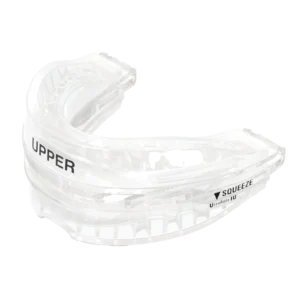
Oral appliances are another type of device designed to reduce snoring. Oral appliances generally work by pulling the lower jaw or tongue forward, so tissues do not fall back and narrow the airway. Generally, oral appliances are custom-fit by dentists, but there are some lower-cost alternatives also available online.
Upper Airway Exercises
A few studies suggest that exercising the tongue and throat muscles can reduce snoring. These exercises are called myofunctional therapy and may include moving the tongue in certain ways or making certain sounds. Singing and playing an instrument called the didgeridoo may provide similar benefits.

When Is Snoring Sleep Apnea?
A doctor can help you determine if your snoring might stem from obstructive sleep apnea, a disorder that's undiagnosed in 80% of people who have it. Obstructive sleep apnea involves multiple lapses in breathing during sleep caused by the airway collapsing. In addition to loud snoring, a person with sleep apnea may have these symptoms:
- Daytime sleepiness
- Choking or gasping during sleep
- Visible gaps in breathing as reported by a bed partner
- Morning headaches
- Waking up multiple times at night
- Waking up during the night to urinate
Obstructive sleep apnea can occur in people of any age, gender, or body type, but the disorder is more common among certain groups. The chance of having sleep apnea increases with age, and males are more likely to have the disorder. People with obesity or with a large neck or waist size are more likely to have sleep apnea.
If you share a bed and are going to talk to your doctor about potential sleep apnea symptoms, consider bringing your bed partner. They can share information on the symptoms they observe as you sleep. You may undergo an overnight sleep study or complete an at-home sleep apnea test to get your diagnosis.
Frequently Asked Questions
Nasal strips are adhesive bands placed on the outside of the nose to gently pull the nasal passages open, helping improve airflow. Internal nasal dilators are inserted into the nostrils and physically hold them open from the inside. Both aim to reduce nasal resistance, but internal dilators may feel more noticeable and take longer to get used to.
For most people, nasal strips are safe to use nightly. They don’t contain medication and don’t affect breathing control. However, repeated use may cause skin irritation or redness, especially if you have sensitive skin. If irritation occurs, taking breaks or switching products may help.
Breathe Right strips can help reduce snoring caused by nasal congestion or narrow nasal passages by improving airflow through the nose. They're most effective for people whose snoring is primarily nasal in origin. However, they're unlikely to help with snoring caused by throat collapse or sleep apnea.
There's limited scientific evidence showing that magnetic nasal strips are more effective than standard adhesive nasal strips. While some people report subjective improvement, magnets themselves haven't been proven to enhance airflow or reduce snoring beyond the mechanical nasal-opening effect of the strip.

Written by
Jay Vera Summer, Contributing WriterJay Vera Summer is a writer, editor, and wellness coach. She holds a Bachelor's of Science in psychology and Master's degrees in both writing and public policy. As a wellness coach, she's certified by the Mayo Clinic and the National Board for Health and Wellness Coaching (NBHWC). She's been writing about sleep and other health topics for six years. Previously, she taught undergraduate writing courses for five years at the University of South Florida.