At a Glance
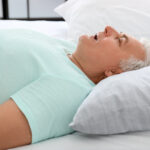
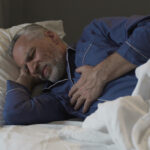
Sleep apnea can affect women differently than men, and symptoms may be less obvious—often including fatigue, insomnia, morning headaches, mood changes, or nighttime awakenings rather than loud snoring alone. Because these symptoms may be mistaken for stress, hormonal changes, or mental health conditions, sleep apnea is frequently underdiagnosed in women.
Sleep apnea is a common sleep disorder that can lead to serious health consequences when untreated. Research estimates “up to 80 percent of people with sleep apnea remain undiagnosed,” according to the American Academy of Sleep Medicine. Up to 15% of North American cisgender women are thought to have OSA.
Historically, experts believed the disorder mainly affected men. Studies do not show that more women have the disorder than experts previously believed. OSA remains under-recognized among women due to symptom differences, biased tests, and a lack of research with women participants, all of which make it less likely for doctors to refer women for OSA testing.
But identifying and treating those who have OSA is important. Below, we'll cover the most common sleep apnea symptoms in women, how they differ from symptoms in men, and female-specific risk factors.

Think You May Have Sleep Apnea? Try an At-Home Test

our partner at sleepdoctor.com
10% off Home Sleep Tests
Buy Now“Truly grateful for this home sleep test. Fair pricing and improved my sleep!”
Dawn G. – Verified Tester

Simple and convenient
- Equipment delivered to your doorstep
- One overnight test in the comfort of your own bed

Uncover sleep apnea
- Quietly collects data while you sleep
- 98% effective in detecting sleep apnea

Affordable & ships fast
- Arrives in 2-4 business days
- In-lab sleep tests cost ~$3,000+ (this one’s $189), HSA/FSA eligible


Sleep Apnea Symptoms in Women
Obstructive sleep apnea causes repeated pauses or slowdowns in breathing during sleep. These pauses or moments of slowed-down breathing result from the throat partially or fully closing. OSA is diagnosed when a person has five or more such breathing disruptions per hour of sleep, on average.
“Classic” symptoms of sleep apnea are the common symptoms that medical experts usually look for when considering if a person might have OSA.These occur across all genders:
- Loud snoring
- Gasping, snorting, or choking during sleep
- Pauses in breathing
- Daytime tiredness
While many women experience classic OSA symptoms, women may, overall, experience fewer classic symptoms compared to men. Instead, women may be more likely to experience less common OSA symptoms, which include:
- Mood changes
- Depression
- Anxiety
- Fatigue
- Morning headaches
- Nightmares
- Trouble falling or staying asleep
- Waking up during the night
- Needing to urinate at night
- Leg cramps or restless legs at night
Symptoms like depression and anxiety show a less obvious link to sleep, which may be part of the reason why sleep apnea often goes undiagnosed in women.
Risk Factors for Sleep Apnea in Women
Although the exact cause of OSA is unknown, multiple factors can increase a woman's risk of developing obstructive sleep apnea.
Weight
A higher body weight and body mass index (BMI) are risk factors for OSA in all genders. Excess fat tissue around the neck can constrict the airway. A person's neck or waist circumference is thought to have even more of an effect on OSA symptoms than weight or BMI.
Specifically, women with a neck circumference larger than 16 inches or a waist circumference greater than about 38 inches face a higher risk of OSA.
Pregnancy
Experts believe pregnancy is a risk factor for OSA, though how frequently OSA occurs among pregnant people hasn't been widely studied. Multiple physical changes that occur during pregnancy may make OSA more likely. Hormonal changes, weight gain, fluids shifts, and congestion all narrow the airway.
Experts recommend that pregnant people who have either high blood pressure or diabetes should be screened for OSA.
Age
A person's risk of developing OSA increases as they age, then plateaus in their 60s or 70s. For females, this increased risk with age may partially stem from weight gain, reduced muscle tone, and other factors involved in the aging process.
Menopause
Among women, the increased risk of developing OSA with age appears directly related to menopause, or the point in time at which a woman's menstrual cycle ends. Studies estimate that up to 67% of postmenopausal women have some degree of OSA. Drops in estrogen and progesterone likely weaken airway muscles but whether hormone treatment can help with OSA is unclear.
Polycystic Ovary Syndrome (PCOS)
Adult women with polycystic ovary syndrome (PCOS) are almost ten times more likely to have OSA. PCOS is a common syndrome that often presents with increased androgen hormones, decreased fertility, and ovarian cysts. PCOS may increase OSA risk through increased obesity, increased androgen hormones, or insulin resistance.
How Sleep Apnea Is Different in Women
Research is beginning to show that many facets of obstructive sleep apnea present differently in women.
- Symptom presentation: Women are less likely to report snoring or obvious breathing pauses. Instead, women may display more of the OSA symptoms that are considered less common, like depression, anxiety, insomnia and headaches.
- Severity and impact: Research shows that women with OSA tend to have fewer and shorter pauses in breathing during sleep. Women may also be more likely to experience periods of shallow breathing instead of outright lapses in breathing. But they often feel more severe symptoms for the same number of breathing events compared to men. One study found that “mild sleep apnea in women produces daytime impairment similar to moderate or severe apnea in men.”
- Position differences: While men may be more likely to experience pauses in breathing while sleeping on their backs, this may not be as significant for women.
- Sleep stage differences: Women with OSA tend to experience a greater percentage of their breathing events during rapid-eye movement (REM) sleep stages and fewer during non-REM stages. Some experts have argued that this difference could explain why less severe OSA has a greater effect on women.
- Hormone-related fluctuations: OSA symptoms may fluctuate along with hormonal fluctuations a woman experiences throughout the menstrual cycle, during pregnancy, while taking oral contraceptives, or in perimenopause.
Sleep Apnea and Transgender Women
There's very little research on obstructive sleep apnea in transgender women or men assigned female at birth. One case study found that a person assigned male at birth had severe OSA resolve after beginning female sex hormones, while two men assigned female at birth developed OSA after starting gender-reaffirming hormone treatment.
That said, one case study isn't enough to determine how gender-affirming hormone therapy will impact a person's OSA risk. More research is needed.
Why Sleep Apnea Is Under-Diagnosed in Women
Women are likely under-diagnosed with obstructive sleep apnea for multiple reasons.
Lack of OSA Research on Women
For decades, most OSA research has been conducted with middle-aged men as participants, because experts traditionally believed OSA was a men's disorder. For this reason, it's unknown how well most OSA research applies to women. Many experts are speaking up about the need for more OSA research conducted on women moving forward.
Bias in OSA Screenings
Many OSA screenings are based on the classic OSA symptoms generally seen in men. Because women may present with different symptoms, these screenings may not properly identify those who should be referred for a sleep study.
For example, a popular screening called the STOP-Bang is biased to find OSA among men rather than women. Similarly, while another test called the Epworth Sleepiness Scale is often used to identify the excessive daytime tiredness associated with OSA whenthere's insufficient research to confirm whether this is valid for diagnosing OSA in women.
Diagnostic Criteria Based on Men
Even when women are referred for a sleep study, the criteria used to identify OSA may leave them undiagnosed.
OSA is diagnosed based on how many lapses in breathing a person has per average hour of sleep. Women experience a spike in breathing events during REM sleep and fewer events during non-REM, so averaging numbers across all sleep stages can obscure their disordered sleep.
Women may also experience slightly smaller drops in blood oxygen levels, so depending on the criteria used during a sleep test, these breathing events may not meet the cutoff for diagnosis.
Lack of Awareness Among Doctors
OSA has been traditionally viewed as a male disorder, so doctors might not think to look for the disorder among female patients. Also, doctors who have only been trained to look for the classic symptoms may under-diagnose women, since up to 40% of women don't have those symptoms.
Lack of Awareness Among Women
Women may not recognize that their symptoms could stem from a sleep disorder, so they may not mention their symptoms to a doctor. If they sleep alone or have a bed partner who hasn't mentioned their snoring or doesn't come with them to doctors' appointments, they might not realize they snore.Women may also feel embarrassed about snoring and avoid mentioning it.
Potential Misdiagnoses
Since many women have more of the OSA symptoms that are considered less common, their doctors may not suspect OSA and instead diagnose them with other disorders. For example, if a woman with undiagnosed OSA has depression or anxiety symptoms, she may be diagnosed with depression or anxiety and not sent for a sleep study.
Because OSA prevalence greatly increases among women around menopause, OSA symptoms appearing in that time of life may be misinterpreted as menopause symptoms.
What Happens When Women Don't Treat Sleep Apnea
Untreated OSA has been linked to and may worsen a variety of different medical disorders, including:
- Heart disease
- High cholesterol
- Type 2 diabetes
- Asthma
- Hypothyroidism
- Acid reflux
- Obesity
- Cognitive impairment
- Dementia
- High blood pressure
- Depression
On a day-to-day basis, sleepiness from OSA can affect quality of life and lead to a higher risk of accidents such as car crashes.In pregnancy, women with untreated OSA face a higher risk of complications and adverse outcomes, such as preeclampsia, eclampsia, heart problems, gestational diabetes, gestational high blood pressure, premature birth, needing a cesarean section, and pregnancy-related death.
When to Talk to Your Doctor
If you suspect you may have sleep apnea, it's important to talk to your doctor as soon as possible. Sleep apnea is often underdiagnosed in women because symptoms like fatigue, insomnia, morning headaches, and mood changes may be mistaken for stress, hormonal shifts, or other conditions. Early diagnosis and treatment can improve sleep quality, reduce future health risks, and lead to better overall well-being.
Be prepared to describe all your symptoms, even those that don’t seem directly related to sleep. Sharing a complete picture of your sleep and daytime symptoms helps your doctor make an accurate assessment.
If you have a bed partner, ask them to come with you or to share whether they’ve noticed snoring, breathing pauses, or restless sleep. If you sleep alone, consider asking family members, roommates, or close friends if they've noticed symptoms during travel or overnight stays.
Medical Disclaimer: This content is for informational purposes and does not constitute medical advice. Please consult a health care provider prior to starting a new treatment or making changes to your treatment plan.

Still have questions?
Sleep apnea products can be confusing. If you need individualized assistance, post your question to the Sleep Doctor forum.

Written by
Jay Summer, NBC-HWC, Contributing WriterJay Vera Summer is a writer, editor, and wellness coach. She holds a Bachelor's of Science in psychology and Master's degrees in both writing and public policy. As a wellness coach, she's certified by the Mayo Clinic and the National Board for Health and Wellness Coaching (NBHWC). She's been writing about sleep and other health topics for six years. Previously, she taught undergraduate writing courses for five years at the University of South Florida.

Reviewed by
Lulu Guo, MD, Medical ReviewerDr. Lulu Guo is a board-certified sleep medicine and family medicine physician who specializes in diagnosing and treating sleep disorders, including obstructive sleep apnea, insomnia, and other sleep-related breathing conditions. She is known for taking a patient-centered approach to sleep care, helping individuals improve their overall health and quality of life through better sleep.