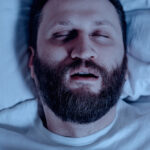
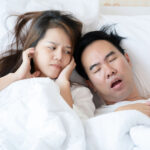
Globally, an estimated one billion people may have obstructive sleep apnea (OSA). For many, the right pillow can make sleeping with the condition more comfortable, while the wrong one can worsen breathing disruptions by allowing the head and neck to fall out of alignment.
While a pillow can’t treat sleep apnea on its own, the right design may help reduce symptoms by improving head, neck, and airway alignment. Below, we’ll share our top picks and what to consider.
Our Top Picks
Best Overall
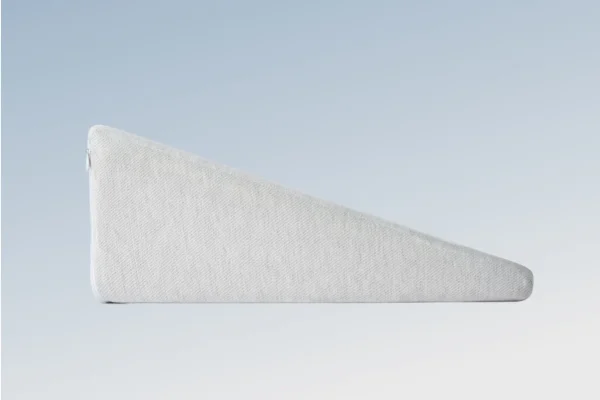
Helix Wedge Pillow

Ideal For
- Back sleepers
- Individuals with mild OSA not yet on CPAP
- Sleepers with gastroesophageal reflux disease (GERD)
Who Should Keep Looking
- Those with moderate-to-severe OSA in need of more significant intervention
- People who fold their head forward when elevated
- Side sleepers who struggle to maintain alignment when elevated
-
Price
$82
-
Dimensions
24″ x 24″ x 10″
-
Material
Polyurethane and gel memory foams
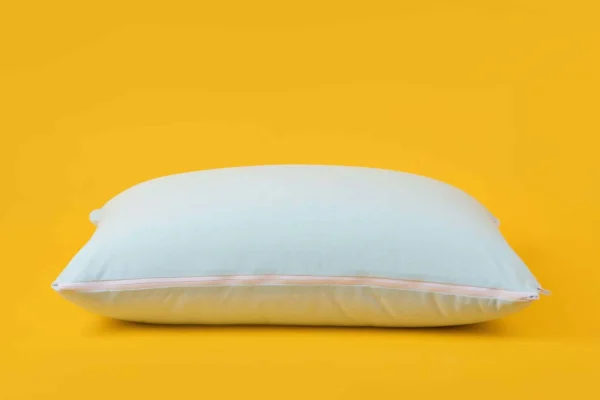
The Helix Wedge Pillow uses a distinct triangular shape to elevate the upper body rather than just the sleeper’s head. For back sleepers with positional symptoms, this may help limit airway narrowing associated with lying flat.
This model consists of gel memory foam and polyfoam for balanced support and conforming. The pillow is encased in a breathable cover made of rayon and polyester, which is removable and machine-washable. At the thickest point in its gradual slope, the pillow measures 10 inches.
The Helix Wedge Pillow comes with free shipping in the U.S., a 30-night trial period, and a 1-year limited warranty.
Use this SleepApnea.org link for the most current discount on Helix products
Shop NowBest for CPAP Users
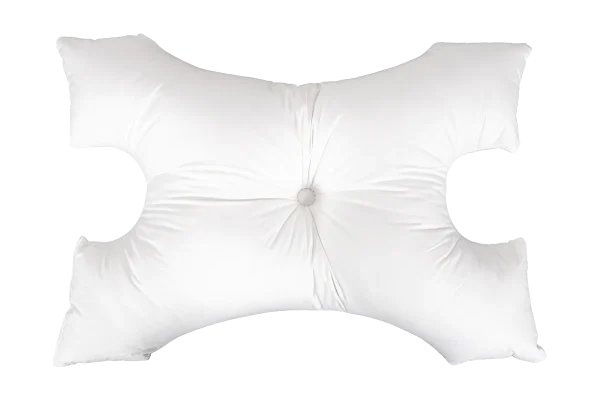
Borden Textile CPAP Pillow for Side Sleeping Set

Ideal For
- Side sleepers on CPAP therapy
- CPAP users who experience leaks or facial pressure
- Hot sleepers
Who Should Keep Looking
- Sleepers not using a CPAP machine
- Those looking for firm support
- Side sleepers who wear CPAP masks and want a pillow that may help reduce facial pressure
-
Price
$50
-
Dimensions
20″ x 26″
-
Material
Polyester fill
Side-sleeping CPAP users often struggle with facial pressure or mask leaks when a traditional pillow pushes against the mask. The Borden Textile CPAP Pillow for Side Sleeping Set aims to address these issues through contoured cutouts on the sides that accommodate masks.
This contoured design is intended to reduce shifting and improve overall comfort, which may be especially helpful for new CPAP users or those who have found traditional pillows uncomfortable.
A dimple in the center of the pillow is also intended to enhance neck support for back and side sleepers. The polyester fill and cotton cover are designed to be hypoallergenic, and the breathable cotton cover allows air circulation.
Use this SleepApnea.org link for the most current discount on Borden Textile products
Shop NowBest for Hot Sleepers
Slumber Cloud Adjustable UltraCool Pillow
Ideal For
- Sleepers who tend to overheat
- Those looking for a more customizable feel
- Individuals with changing pillow needs
Who Should Keep Looking
- Sleepers who consistently want a single, consistent loft and feel
- Those prone to CPAP mask air leaks when side sleeping
- Anyone in need of very structured support
-
Price
$103
-
Size
Standard, King
-
Material
Shredded memory foam and down alternative fibers
The Slumber Cloud Adjustable UltraCool Pillow combines temperature regulation with customizable support, which may benefit some sleepers with sleep apnea.
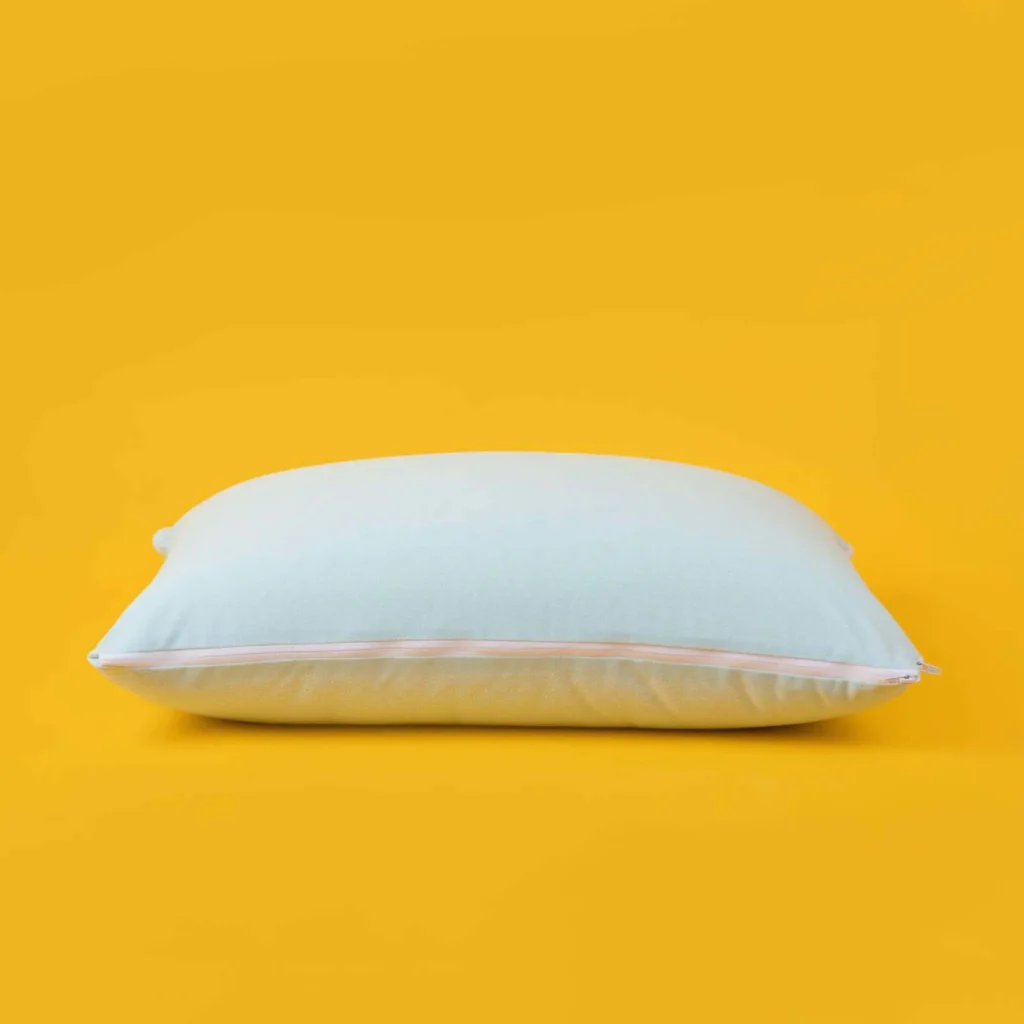
This model includes two inserts: one with memory foam and one with fiber fill. The pillow’s feel varies depending on which insert is closest to your head. The fiber side has a more traditional, plush feel, whereas the memory foam side contours more closely.
Zippered gussets on the side can further adjust the feel and loft. With the gussets open, the pillow is loftier. With them closed, it’s flatter. Sleepers can also remove an insert for an even lower loft. This flexibility means the pillow can accommodate side, back, and stomach sleeping.
Finally, the pillow is wrapped in a polyester cover that contains phase change material designed to redistribute heat for better temperature control.
The Slumber Cloud Adjustable UltraCool Pillow comes with free shipping in the contiguous U.S, a 60-night trial period, and a 180-day limited warranty.
Use this SleepApnea.org link for the most current discount on Slumber Cloud products
Shop NowThink You May Have Sleep Apnea? Try an At-Home Test

our partner at sleepdoctor.com
10% off Home Sleep Tests
Buy Now“Truly grateful for this home sleep test. Fair pricing and improved my sleep!”
Dawn G. – Verified Tester

Simple and convenient
- Equipment delivered to your doorstep
- One overnight test in the comfort of your own bed

Uncover sleep apnea
- Quietly collects data while you sleep
- 98% effective in detecting sleep apnea

Affordable & ships fast
- Arrives in 2-4 business days
- In-lab sleep tests cost ~$3,000+ (this one’s $189), HSA/FSA eligible


The Best Type of Pillow for Sleep Apnea
The best type of pillow for sleep apnea depends on your needs and goals. Several pillow designs are especially popular for individuals with sleep apnea.
- CPAP pillows: CPAP pillows are often ideal for people on CPAP therapy, leaving room for the mask to reduce pressure on the face while allowing side sleeping.
- Wedge pillows: Wedge pillows are designed to put the upper body on an incline. Particularly well-suited for back sleepers, elevating the head end of the bed can improve OSA severity.
- Adjustable loft pillows: Adjustable loft pillows allow sleepers to fine-tune the thickness and feel of their pillow, which may make it easier to find the ideal support for optimal airway positioning.
- Cervical pillows: Cervical pillows are contoured, orthopedic pillows designed to promote spinal alignment, which may be helpful for sleepers trying to maintain consistent airway positioning.
- Body pillows: Switching from back to side sleeping can be beneficial for those with positional obstructive sleep apnea, and a body pillow may make that transition easier for some sleepers.
How to Choose a Pillow for Sleep Apnea
To pick a pillow for sleep apnea, consider your specific sleep needs and preferences along with the pillow’s design.
Sleep Position
Your pillow should accommodate your sleep position, helping you maintain a neutral posture. However, in general, side sleeping is typically the best position for sleep apnea, and switching from back sleeping has been found to improve positional obstructive sleep apnea. If you’re transitioning to side sleeping, finding a pillow that makes the position more comfortable may encourage the change.
That said, for back sleepers with sleep apnea, a wedge pillow may help some individuals by elevating the upper body and potentially reducing airway collapse.
Mask Design
If you use CPAP, your mask design may influence your pillow choice. Side sleeping often puts pressure on the mask, which can, in turn, lead to facial discomfort and air leaks. Because of that, side sleepers with larger masks may benefit from CPAP pillows with cutouts to prevent the pillow pressing against the mask.
Budget
Sleep apnea pillow prices vary wildly, starting at under $50 and reaching over $200. Consider your budget when shopping, keeping in mind any additional costs you may face if you need CPAP equipment or accessories.
Pillow Shape
Pillow shape — and how well a pillow holds its form — can be important to people with sleep apnea. Many individuals prefer contoured or cervical pillows built for ergonomic support. Others benefit from wedge pillows to lift the upper body or CPAP pillows designed to accommodate masks and hosing. Choosing the right shape can help you maintain a comfortable sleeping position throughout the night.
Pillow Loft, Support, and Firmness
Pillow loft, support, and firmness are often closely linked. Each can also affect sleep posture, which is important for individuals with sleep apnea.
Loft refers to how thick the pillow is, support is how well it holds the head and neck, and firmness is how soft it feels. To maintain good alignment, these traits need to work well for your body type and sleep position. Adjustable pillows offer the most flexibility, allowing you to modify the loft and firmness to your sleep style.
Pillow Materials
A pillow’s materials affect its feel, support, durability, and overall comfort. Sleep apnea pillows may contain any number of materials, including memory foam, polyfoam, and fiber fill. Even within each fill category, there’s a wide range of quality options, which can also affect performance.
Temperature Regulation
Some pillows trap heat, while others allow it to dissipate. For instance, solid memory foam tends to retain more warmth than fiber fill. For heat-sensitive sleepers, breathable or temperature-regulating materials may promote more comfortable rest.
Other Tips for Getting Better Rest With Sleep Apnea
Standard sleep best practices, like getting the right pillow and mattress, can be good first steps for getting better rest with sleep apnea. However, there are several other tips that may help some individuals with the condition sleep more comfortably.
Medical Treatment
Sleep apnea treatment is essential. If you suspect you have OSA or see an increase in symptoms, talk to your doctor.
One of the most common treatment options is positive airway pressure (PAP) therapy, such as continuous positive airway pressure (CPAP), bilevel positive airway pressure (BiPAP), and auto-adjusting positive airway pressure (APAP). Other options include FDA-approved weight-loss medication like Zepbound and oral appliances.
Positional Changes
If you sleep on your back, shifting to your side may reduce respiratory disturbances. Side sleeping is thought to allow soft tissues and the tongue to fall to the side instead of putting pressure on the airway, reducing the likelihood of collapse.
Similarly, some back sleepers see improvement by elevating the head end of the bed, either with a wedge pillow or an adjustable bed.
Sleep Hygiene
With or without sleep apnea, many sleepers benefit from good sleep hygiene, such as a consistent sleep schedule, regular exercise, limited alcohol before bed, and a dark, quiet, cool sleep space.
For individuals with sleep apnea, these habits may be even more important. Emotional excitement, alcohol before bed, and inadequate temperature and humidity have been linked to increased OSA symptoms.
Lifestyle Changes
Healthy lifestyle habits can support the management of sleep apnea and reduce its severity. Strategies include quitting smoking, consuming less caffeine and alcohol, maintaining a healthy body weight, and exercising regularly. For some, these changes can improve overnight airflow, especially when used in conjunction with medical treatment.
When to See a Doctor
A doctor’s visit is necessary to get a formal sleep apnea diagnosis. While snoring and sleep apnea often go hand in hand, snoring does not necessarily mean you have sleep apnea, so it’s important to discuss concerns with your medical provider. Some of the most common symptoms of sleep apnea include:
- Loud, chronic snoring
- Gasping, snorting, or choking during sleep
- Morning headaches
- Daytime fatigue
Additionally, if you have already been diagnosed with sleep apnea and your symptoms change or you struggle with treatment, talk to your physician.
Frequently Asked Questions
Specialized sleep apnea pillows aren’t a substitute for medical treatment, but they can help maintain a comfortable posture, support spinal alignment, and make it easier to stay in positions that may improve breathing.
Additionally, some sleep apnea pillows aim to encourage side sleeping, which can reduce respiratory disturbances. Meanwhile, even if gel pillows with side cutouts do not directly affect CPAP treatment, many individuals prefer them.
A wedge pillow could help with sleep apnea since even mild elevation of the head end of the bed can reduce the severity of obstructive sleep apnea. That said, sleepers whose head tends to slump forward on a wedge pillow may not experience the benefits because a flexed head posture could contribute to upper airway collapse.
A neck pillow may help some individuals with sleep apnea to an extent, but it isn’t a treatment on its own. However, it’s important to note that head positioning can affect airway openness.
Flexing the head forward can contribute to airway collapse. In contrast, individuals with sleep apnea may unconsciously tilt their head back during sleep to open the airway, so a neck pillow that supports a neutral or slightly extended head position may be better suited to sleep apnea than lofty, firm pillows that push the head forward.

Still have questions?
Sleep apnea products can be confusing. If you need individualized assistance, post your question to the Sleep Doctor forum.

Written by
Meredith Kreisa, Contributing WriterMeredith is a freelance writer with extensive experience in developing comprehensive but easily digestible content. She loves connecting sleepers with products that enhance their experience and help them get the quality rest they need.