|
 enhancing the lives of those with sleep apnea
|


|
SLEEP APNEA FACT SHEET
- Sleep apnea is a common sleep disorder characterized by brief interruptions of breathing during sleep.
- "Apnea" is a Greek word meaning "without breath." An apnea is clinically defined as a cessation of breath that lasts at least ten seconds.
- "Hypopnea" also comes from Greek: "hypo" meaning "beneath" or "less than normal" and "pnea" meaning "breath." A hypopnea is not a complete cessation of breath but can be defined as a perceptible reduction in airflow that leads to sleep fragmentation or to a decrease in the oxygen level in the bloodstream.
- The apnea-hypopnea index (AHI) or respiratory disturbance index (RDI) refers to the total number of apneas and hypopneas divided by the total sleep study in a patient’s sleep study. The AHI gives one measure of the severity of the sleep apnea.
- There are three types of apnea: obstructive, central, and mixed (a combination of obstructive and central). Obstructive sleep apnea (OSA) is the most common.
- Typically the soft tissue in the rear of the throat collapses and closes the airway, forcing victims of sleep apnea to stop breathing repeatedly during sleep, as frequently as a hundred.
- Although the typical sleep apnea patent is overweight, male, and over the age of forty, sleep apnea affects both males and females of all ages and of ideal weight.
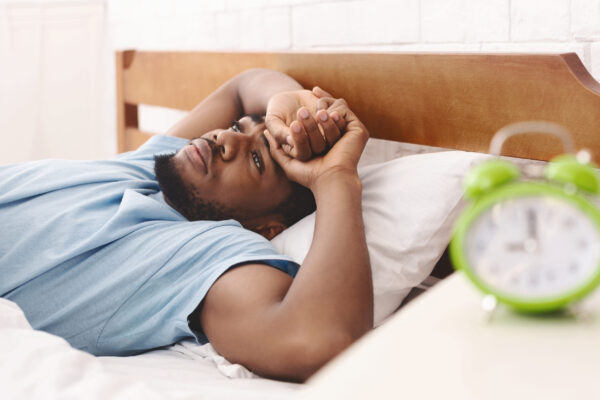
- The most common symptoms of sleep apnea are loud snoring and excessive daytime sleepiness (i.e., falling asleep easily and sometimes inappropriately).
- Untreated sleep apnea can be life threatening; consequences may include high blood pressure and other cardiovascular complications.
- More than twelve million Americans suffer from sleep apnea, and it is estimated conservatively that ten million remain undiagnosed.
Risk Factors for Sleep Apnea
- Some studies have shown that a family history of sleep apnea increases the risk of OSA two to four times.
- Sleep apnea is more likely to occur in men than in women.
- Abnormalities of the structure of the upper airway contribute to sleep apnea.
- Sleep apnea may be more common among African-Americans, Pacific Islanders, and Mexicans.
- Smoking and alcohol use increase the risk of sleep apnea.
Treatments for Sleep Apnea
- There are a variety of treatments for sleep apnea. The most appropriate treatment depends on an individual’s medical history and the severity of the disorder.
- Treatment regimens included lifestyle changes such as avoiding alcohol, oral appliances, and surgery.
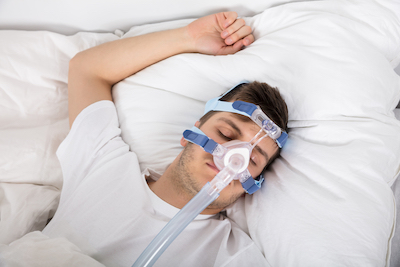
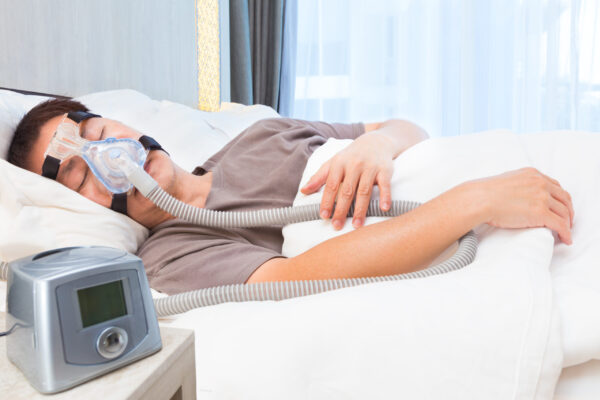
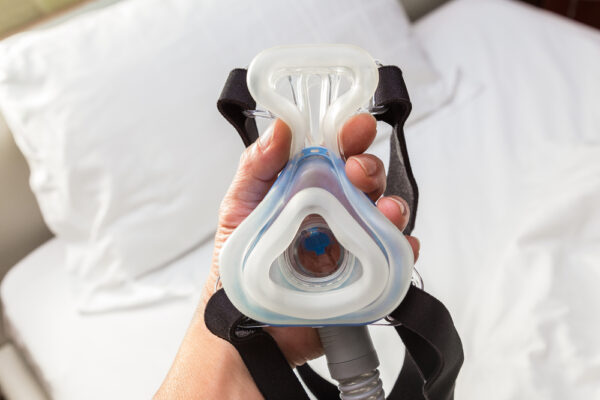
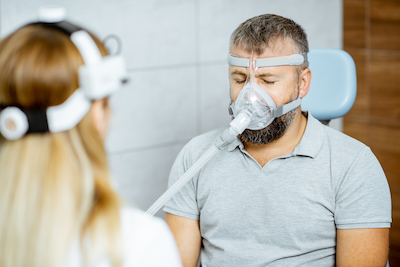
- Nasal continuous positive airway pressure (CPAP) is the most common treatment for sleep apnea. The CPAP machine pushes air through the airway at a pressure high enough to keep the airway open during sleep.
Return to Top
About the ASAA | Support Groups | Sleep Apnea Information Sleep Apnea Forum Resources | Support the ASAA | Key Donors | Contact the ASAA | Site Index | Home
American Sleep Apnea Association
1424 K Street NW, Suite 302, Washington, DC 20005
phone: 202/293-3650 fax: 202/293-3656
Privacy Policy Copyright & IP Notice
© 2007 American Sleep Apnea Association
|
|